
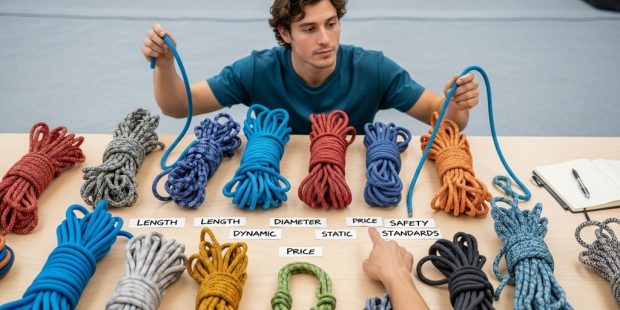
A safe and affordable climbing rope for beginners is a certified dynamic single rope (UIAA and CE approved), 9.5mm–10.2mm in diameter, 60–70 meters long, designed for sport or indoor climbing.
If you are new to climbing, your rope is your lifeline. Not your shoes. Not your harness. The rope. It absorbs fall energy, reduces impact force, and protects you from serious injury. Yet many beginners either overspend on technical ropes they don’t need or buy the cheapest option without checking safety certifications.
This guide breaks it down using real data, safety standards, and practical buying advice. You’ll learn how to evaluate beginner climbing gear, choose your first climbing rope, and build a system of safe climbing equipment without wasting money.
Let’s solve the confusion step by step.
Why Is Choosing the Right First Climbing Rope So Important?
Short answer: Because rope choice directly affects fall safety, durability, and long-term cost.
According to the UIAA (International Climbing and Mountaineering Federation), dynamic ropes must withstand at least 5 UIAA-rated falls under standardized testing. Most modern single ropes exceed 7–9 UIAA falls.
Here’s the problem beginners face:
- Too thin = harder to handle and wears faster.
- Too thick = heavy and tiring.
- Wrong length = limits climbing routes.
- Wrong type = unsafe for lead climbing.
A climbing rope is not just a line. It is an engineered safety device designed to absorb kinetic energy. During a lead fall, a dynamic rope can stretch 30–40% under load. That stretch reduces impact force on your body and anchors.
Choosing correctly from the start prevents:
- Premature rope replacement
- Unsafe fall scenarios
- Handling frustration while belaying
- Unnecessary spending
What Type of Climbing Rope Should Beginners Buy?
Short answer: Beginners should buy a dynamic single rope.
Dynamic vs Static Rope: What’s the Difference?
| Feature | Dynamic Rope | Static Rope |
|---|---|---|
| Stretch | High (energy absorbing) | Low |
| Used For | Lead & sport climbing | Rappelling, rescue |
| Fall Protection | Yes | No |
Dynamic ropes are designed for climbing falls. Static ropes are not. Using a static rope for lead climbing increases impact force and injury risk.
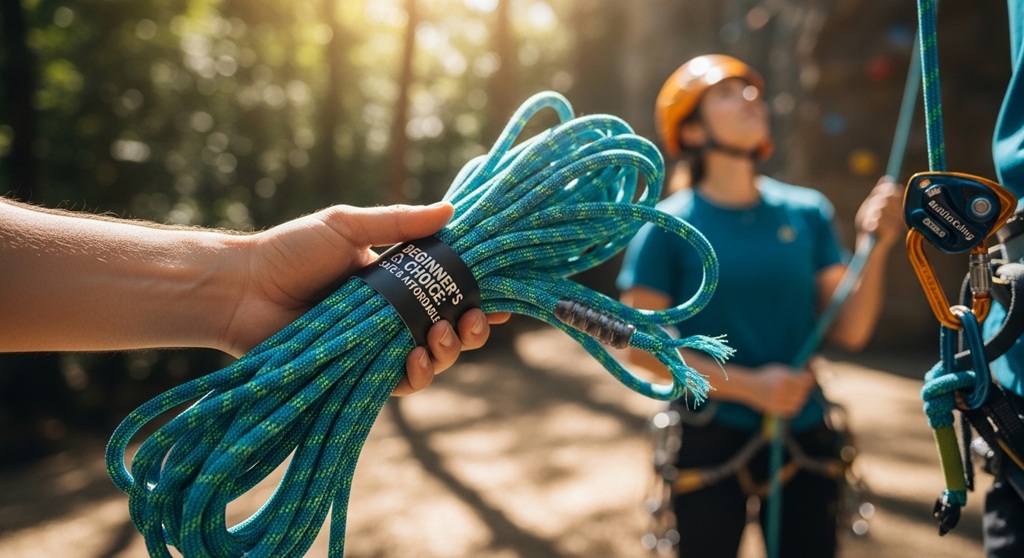
Your first climbing rope should always be labeled as a “single rope” with CE and UIAA certification.
What Diameter Is Best for a Beginner Climbing Rope?
Short answer: 9.5mm to 10.2mm offers the best balance of durability and control.
Rope diameter affects:
- Weight
- Durability
- Belay device compatibility
- Grip control
Beginner Diameter Breakdown
- 8.9–9.4mm: Lightweight, advanced users
- 9.5–9.8mm: Ideal balance for most beginners
- 10–10.2mm: Extra durability, heavier
Case Study: In a 2023 climbing gym equipment report (US-based commercial gyms), ropes in the 9.7–10mm range lasted 18–22% longer in high-use environments compared to sub-9.4mm ropes. The thicker sheath resists abrasion from top-rope anchors.
If you climb indoors frequently, slightly thicker ropes reduce replacement costs over time.
How Long Should Your First Climbing Rope Be?
Short answer: 60 meters minimum. 70 meters offers more flexibility outdoors.
Indoor gyms usually require 30–35 meters for top-rope setups. But outdoor sport routes often range from 25–35 meters tall.
A 60m rope covers most beginner outdoor routes. A 70m rope increases options and reduces lowering risks.
Quick Length Guide
- Indoor only: 60m
- Outdoor sport climbing: 60–70m
- Mixed use: 70m preferred
Always confirm route height before climbing. Many lowering accidents happen due to rope being too short.
What Safety Certifications Should a Beginner Rope Have?
Short answer: Look for UIAA and CE certification labels.
These certifications ensure the rope has passed:
- Impact force testing
- Dynamic elongation standards
- Sheath slippage limits
- Fall rating minimums
For safe climbing equipment, never compromise on certification. Affordable does not mean uncertified.
How Much Should Beginners Spend on a Climbing Rope?
Short answer: $120–$220 is typical for a certified beginner rope.
Cost depends on:
- Diameter
- Dry treatment
- Brand
- Length
If you want a breakdown of budget-friendly and tested models, check this guide on
beginner climbing gear to compare affordable options.
Dry-treated ropes cost more but resist water and dirt. If you only climb indoors, you can skip dry treatment and save money.
Should Beginners Choose Dry-Treated Ropes?
Short answer: Only if climbing outdoors frequently.
Dry treatment adds water resistance and dirt protection. UIAA water-repellent standard requires ropes to absorb less than 5% water by weight.
Benefits:
- Better performance in wet conditions
- Longer lifespan outdoors
- Reduced freezing risk in cold climates
Indoor climbers rarely need this feature. Save your budget for shoes or belay devices instead.
How Do You Inspect a Climbing Rope Before Buying?
Short answer: Check certification label, sheath feel, manufacturing date, and fall rating.
Checklist:
- UIAA/CE marking visible
- Even sheath texture
- No flat spots
- Manufactured within 1–2 years
Climbing ropes have a shelf life even if unused. Most manufacturers recommend retiring unused ropes after 10 years, and heavily used ropes much sooner.
How Long Does a Beginner Climbing Rope Last?
Short answer: 1–3 years with regular use.
Lifespan depends on:
- Frequency of falls
- Indoor vs outdoor use
- Proper storage
- Abrasion exposure
General Lifespan Guide
- Heavy weekly use: 1 year
- Moderate use: 2 years
- Occasional use: 3–5 years
Retire immediately if you notice:
- Core shots
- Severe sheath fuzzing
- Flat sections
What Other Beginner Climbing Gear Works With Your Rope?
Short answer: Harness, belay device, locking carabiner, helmet, and rope bag.
Your rope is only one part of a safe system. Essential safe climbing equipment includes:
- Certified climbing harness
- ATC or assisted braking belay device
- Locking carabiner
- Climbing helmet (outdoor)
- Rope bag or tarp
Using incompatible belay devices with thin ropes increases slippage risk. Always check manufacturer compatibility ranges.
Common Mistakes Beginners Make When Buying a Rope
Short answer: Buying too thin, too short, or uncertified ropes.
- Choosing ultralight ropes to “save weight”
- Buying static rope accidentally
- Ignoring rope length requirements
- Skipping certification verification
- Buying used ropes without history
Used ropes may have hidden fall damage. Avoid unless you know the complete usage history.
How Can Beginners Balance Safety and Budget?
Short answer: Prioritize certification and diameter over brand hype.
Follow this framework:
- Certification first.
- Diameter 9.5–10mm.
- 60–70m length.
- Skip dry treatment unless needed.
- Compare fall ratings.
This approach ensures you invest in safety without paying for unnecessary features.
Conclusion: What Is the Smartest Way to Choose Your First Climbing Rope?
Your first rope defines your climbing experience.
A 9.5–10mm dynamic single rope, 60–70 meters long, with UIAA and CE certification gives beginners reliable fall protection and long-term value. Avoid extremes. Avoid uncertified bargains.
Climbing is about progression. Your rope should support that journey, not limit it.
Before buying, compare models carefully and review tested options. Start with quality beginner climbing gear and build your system step by step.
Ready to choose your rope? Research thoroughly, check certifications, and invest in equipment that protects every fall.
FAQ: Beginners and Climbing Rope Safety
1. Can beginners use a thin rope?
Thin ropes (under 9.4mm) are harder to handle and wear faster. Beginners should stick to 9.5–10.2mm for better control and durability.
2. Is a 60m rope enough for outdoor climbing?
For many beginner sport routes, yes. However, some areas require 70m ropes. Always check route length before climbing.
3. What does UIAA fall rating mean?
It indicates how many standardized severe falls a rope can withstand under lab conditions. Most single ropes exceed the minimum requirement of 5 falls.
4. Should I buy a used climbing rope?
Only if you know its complete history. Hidden internal damage may not be visible.
5. How do I store my climbing rope?
Store in a cool, dry place away from UV exposure and chemicals. Use a rope bag to prevent dirt contamination.
6. Do indoor climbers need dry-treated ropes?
No. Dry treatment is mainly beneficial for outdoor or alpine environments.
Don’t Miss These Articles: How to Choose Your First Skateboard as an Adult Beginner
Up Next: How to Decide Between Hard Shell vs Soft Shell Luggage
