
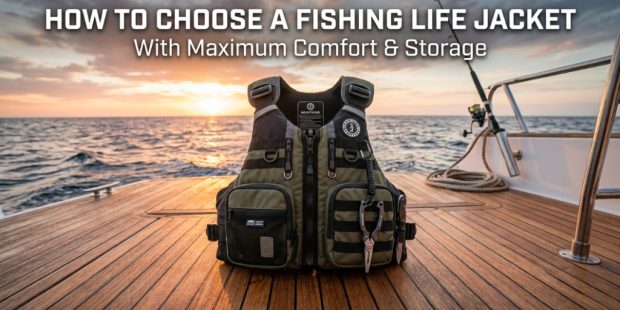
A fishing vest with pockets or utility life jacket should keep you safe without restricting movement, overheating your body, or limiting access to gear. The best fishing life jackets combine Coast Guard-approved flotation, breathable materials, smart storage, and all-day comfort for casting, paddling, trolling, or shoreline fishing.
Why Is Choosing the Right Fishing Life Jacket So Important?
A fishing life jacket is not just safety equipment. It directly affects mobility, endurance, casting comfort, and access to tools while fishing. Choosing the wrong model can lead to shoulder fatigue, overheating, tangled lines, and reduced reaction time on the water.
According to boating safety organizations, the majority of drowning victims in recreational boating accidents were not wearing a life jacket. Anglers often remove bulky PFDs because they feel uncomfortable. That is why modern utility life jackets focus heavily on ergonomic design, ventilation, and integrated storage.
Whether you fish from a kayak, bass boat, canoe, riverbank, or offshore vessel, the right life vest improves both safety and efficiency.
Common problems anglers face with poor-quality life jackets include:
- Limited shoulder movement during casting
- Excess heat buildup in summer weather
- Insufficient storage for tackle and tools
- Bulky foam panels restricting mobility
- Poor fit while seated in kayaks or boats
- Chafing around the neck and arms
The good news is that newer fishing-specific PFDs solve most of these issues through lightweight flotation foam, mesh ventilation, modular pockets, and adjustable fit systems.
What Is a Fishing Vest With Pockets or Utility Life Jacket?
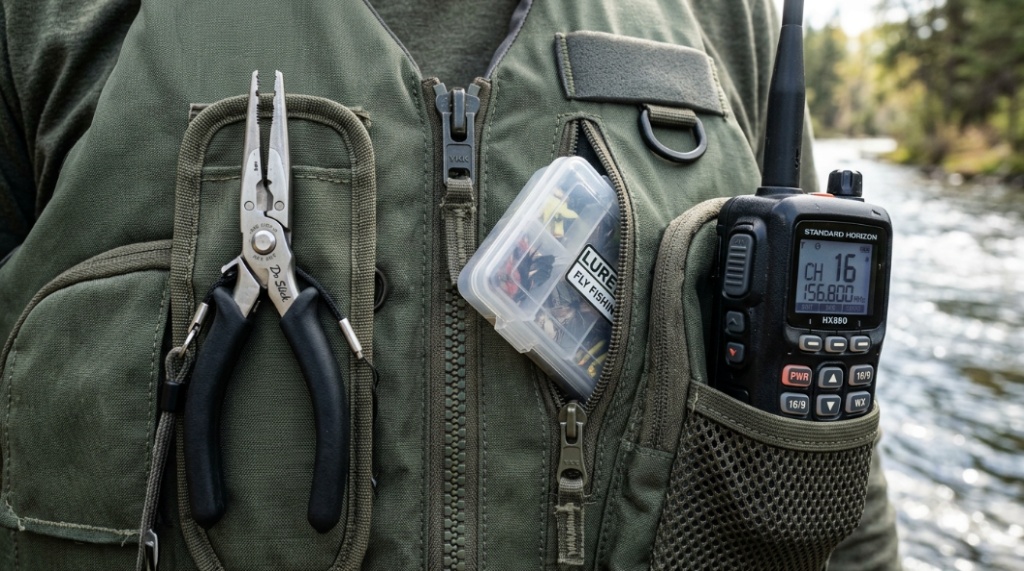
A fishing vest with pockets is a personal flotation device (PFD) designed specifically for anglers. It combines flotation safety with gear storage, allowing quick access to tackle, pliers, line cutters, phones, and fishing accessories.
Unlike standard boating life jackets, utility life jackets prioritize functionality for active fishing. Most models include:
- Zippered storage compartments
- D-ring attachment points
- Tool holders
- Rod holder loops
- Mesh ventilation panels
- High-back seating compatibility
- Adjustable shoulder and waist straps
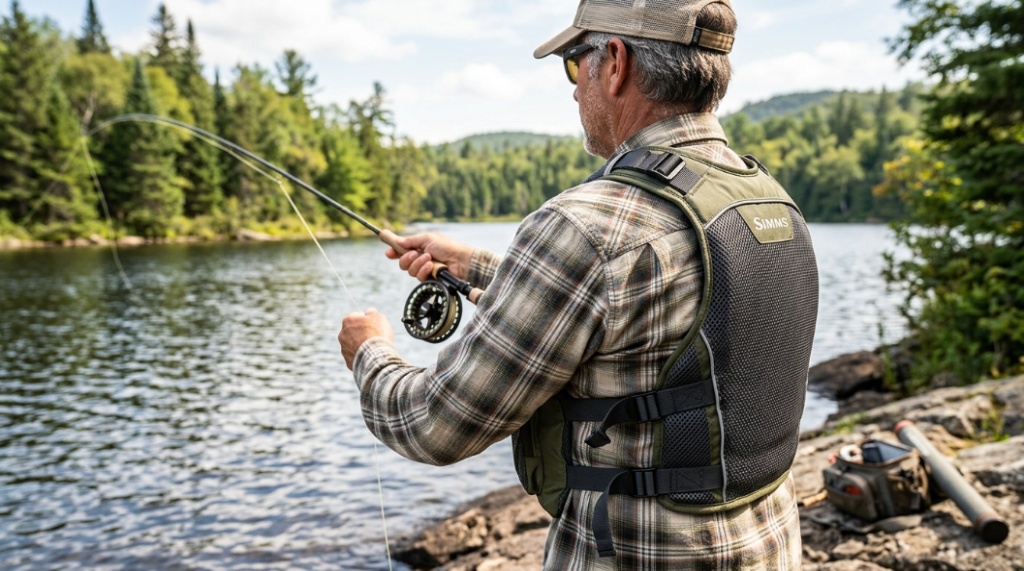
These features make them especially popular among kayak anglers, fly fishermen, bass anglers, and wading enthusiasts.
Which Type of Fishing Life Jacket Is Best for Different Fishing Styles?
The best fishing life jacket depends on where and how you fish. Kayak anglers need mobility and high-back support, while offshore anglers often prioritize buoyancy and durability.
| Fishing Style | Best Life Jacket Type | Key Features |
|---|---|---|
| Kayak Fishing | High-back fishing PFD | Short torso, mesh ventilation, paddle mobility |
| Fly Fishing | Vest-style utility life jacket | Multiple pockets, lightweight design |
| Bass Boat Fishing | Low-profile foam PFD | Comfortable seating, fast mobility |
| Offshore Fishing | High-buoyancy Type III or inflatable | Extra flotation, weather resistance |
| River or Wading Fishing | Compact utility vest | Lightweight, breathable, gear access |
What Features Make a Fishing Life Jacket Comfortable?
The most comfortable fishing life jackets use ergonomic foam placement, breathable mesh, lightweight fabrics, and adjustable straps to reduce fatigue during long hours on the water.
Why Does Breathability Matter in a Utility Life Jacket?
Breathability prevents overheating and sweat buildup during warm-weather fishing trips. Mesh-back designs and ventilated shoulder panels improve airflow significantly.
This matters even more for kayak anglers and shoreline fishermen who spend hours under direct sunlight.
Look for:
- Mesh lower backs
- Open-sided designs
- Moisture-wicking lining
- Ventilated foam sections
How Does Fit Affect Comfort While Fishing?
A poor fit causes rubbing, instability, and restricted movement. A properly fitted fishing life jacket should feel secure without squeezing the chest or shoulders.
Key fit considerations include:
- Adjustable side straps
- Multiple sizing options
- Shorter torso for seated fishing
- Wide arm openings for casting
- Flexible foam segmentation
Many experienced anglers prefer utility life jackets with six-point adjustment systems because they allow precise customization.
Are Inflatable Fishing Life Jackets More Comfortable?
Inflatable fishing life jackets are often more comfortable because they reduce bulk and weight. However, they require maintenance and are not ideal for every fishing environment.
Inflatable PFDs work well for:
- Offshore fishing
- Bass boat fishing
- Warm-weather angling
- Experienced adult anglers
Foam-based utility life jackets remain better for:
- Kayak fishing
- Whitewater conditions
- Cold-water fishing
- Heavy gear carrying
How Much Storage Should a Fishing Vest Have?
The ideal fishing vest should provide enough storage for essential gear without becoming bulky or unbalanced. Most anglers only need quick access to frequently used tools.
Overloaded pockets create unnecessary weight and discomfort.
Which Storage Features Are Actually Useful?
The most practical fishing vest pockets are strategically placed for fast access while seated or standing.
Useful storage features include:
- Zippered tackle pockets
- Fleece-lined phone compartments
- Pliers attachment loops
- Retractor clips
- D-rings for nets or accessories
- Hydration compatibility
- Internal security pockets
Fly fishermen often prioritize chest-level storage, while kayak anglers usually prefer side-mounted utility pockets that remain accessible while seated.
How Many Pockets Are Too Many?
Too many pockets can make a utility life jacket heavier, hotter, and less flexible. Focus on functional organization rather than maximum storage.
A balanced setup usually includes:
- 2–4 primary tackle pockets
- 1 phone or valuables pocket
- Tool attachment points
- Rear storage compartment
Minimalist layouts often improve mobility and reduce shoulder strain.
What Safety Certifications Should You Look For?
A fishing life jacket should always meet recognized safety standards for buoyancy and flotation performance.
In the United States, anglers should look for U.S. Coast Guard-approved PFDs. Type III life jackets are among the most common choices for recreational fishing because they balance comfort and safety.
What Does Type III Mean?
Type III PFDs are designed for conscious users in calm or moderate water conditions. They allow freedom of movement and are widely used for fishing, kayaking, and paddling.
Benefits include:
- Comfortable mobility
- Fishing-friendly designs
- Lighter construction
- Better casting range
However, offshore anglers or rough-water fishermen may prefer higher buoyancy options.
Should You Choose Foam or Inflatable Flotation?
Foam life jackets provide constant flotation without activation, while inflatable PFDs remain compact until deployed.
| Feature | Foam Fishing PFD | Inflatable PFD |
|---|---|---|
| Comfort | Moderate | Excellent |
| Storage Capacity | High | Low to Moderate |
| Maintenance | Low | Higher |
| Best for Kayaks | Excellent | Moderate |
| Automatic Flotation | Yes | No |
| Cold Water Reliability | Excellent | Good |
What Is the Best Fishing Life Jacket for Kayak Anglers?
Kayak anglers typically need a high-back utility life jacket with wide arm openings, breathable mesh, and accessible pockets.
Standard boating life jackets often interfere with kayak seats and paddling motion. Fishing-specific kayak PFDs solve this issue through shorter back panels and ergonomic foam placement.
Important kayak fishing features include:
- High-back compatibility
- Large arm cutouts
- Quick-access tackle pockets
- Knife attachment tabs
- Reflective safety accents
- Hydration support
Many kayak anglers also prefer bright colors for visibility during low-light conditions.
How Do You Choose the Right Size Fishing Life Jacket?
The correct size depends on chest measurement, body shape, layering needs, and fishing style. A life jacket should fit snugly without riding up.
What Is the Proper Way to Test Fit?
After tightening the straps, raise your arms and have someone gently pull upward on the shoulders. The vest should remain secure and not slide over your chin or ears.
Signs of poor fit include:
- Excess movement
- Neck rubbing
- Loose shoulder straps
- Restricted breathing
- Difficulty paddling or casting
Cold-weather anglers should also account for layered clothing when sizing.
Which Materials Last Longest in Utility Life Jackets?
The most durable fishing life jackets use ripstop nylon, reinforced stitching, corrosion-resistant zippers, and closed-cell flotation foam.
Saltwater exposure, UV rays, and repeated moisture can damage low-quality materials quickly.
What Fabrics Perform Best for Fishing?
High-performance utility life jackets commonly use:
- Ripstop nylon
- Cordura fabric
- Polyester mesh
- Closed-cell foam
- Marine-grade zippers
These materials improve:
- Durability
- Water resistance
- Drying speed
- Abrasion resistance
- Long-term comfort
How Important Is Weight Distribution in a Fishing Vest?
Balanced weight distribution reduces fatigue and improves mobility during long fishing sessions.
Heavy front-loaded utility life jackets can strain the shoulders and neck. Better designs spread storage evenly across the chest and torso.
Smart weight distribution improves:
- Casting endurance
- Paddling efficiency
- Posture
- Breathing comfort
- Mobility while seated
This is especially important for kayak fishermen spending 6–10 hours on the water.
What Common Mistakes Should You Avoid When Buying a Fishing Life Jacket?
Many anglers focus only on price or appearance while ignoring fit, mobility, and storage functionality.
Buying the Bulkiest Model
More flotation does not always mean better fishing performance. Excessively bulky vests reduce mobility and are less likely to be worn consistently.
Ignoring Climate Conditions
Hot-weather anglers should prioritize mesh ventilation and lightweight construction.
Cold-water anglers may need:
- Additional buoyancy
- Layering compatibility
- Weather-resistant fabrics
Choosing Generic Boating PFDs
Fishing-specific utility life jackets offer better pocket layouts, casting freedom, and seating comfort.
Overloading Storage Compartments
Too much gear increases fatigue and limits mobility. Carry only essentials within reach.
How Can You Maintain a Fishing Life Jacket Properly?
Proper maintenance extends the lifespan of a utility life jacket and ensures reliable flotation performance.
After every fishing trip:
- Rinse with fresh water
- Air dry completely
- Inspect buckles and zippers
- Check for foam damage
- Store away from direct sunlight
Inflatable PFDs should also undergo cartridge inspections and periodic inflation testing.
Are Premium Fishing Life Jackets Worth the Higher Price?
Higher-end fishing life jackets often provide better ergonomics, durability, ventilation, and organization. Serious anglers usually benefit from investing in long-term comfort and safety.
Premium models commonly include:
- Advanced foam shaping
- Laser-cut ventilation
- Better stitching quality
- Corrosion-resistant hardware
- Improved storage access
- Lighter materials
For anglers who fish frequently, comfort directly impacts endurance and safety compliance. A comfortable vest is far more likely to stay on throughout the trip.
Conclusion: How Do You Choose the Best Fishing Life Jacket?
The best fishing vest with pockets or utility life jacket combines safety, comfort, mobility, and practical storage without becoming bulky or restrictive. Anglers should prioritize fit, ventilation, accessibility, and fishing-specific design rather than focusing only on price.
Kayak anglers benefit from high-back ergonomic PFDs, fly fishermen often prefer lightweight utility vests, and offshore anglers may choose higher-buoyancy or inflatable models. Regardless of fishing style, the most important factor is choosing a life jacket you will actually wear consistently.
Look for Coast Guard-approved flotation, breathable materials, adjustable sizing, and organized storage that supports your fishing habits. A well-designed utility life jacket improves casting comfort, reduces fatigue, and keeps essential gear within reach.
Before your next fishing trip, evaluate how your current vest performs in real conditions. Small upgrades in comfort and storage can dramatically improve your experience on the water while enhancing overall safety.
Frequently Asked Questions About Fishing Life Jackets
What is the difference between a fishing vest and a utility life jacket?
A fishing vest primarily focuses on storage and organization, while a utility life jacket combines flotation safety with fishing-specific storage features. Utility life jackets are designed to function as both a PFD and gear-carrying system.
Are inflatable fishing life jackets safe for kayaking?
Inflatable fishing life jackets can be safe for kayaking in calm water, but many kayak anglers prefer foam PFDs because they provide immediate flotation and better durability in rough conditions.
How many pockets should a fishing life jacket have?
Most anglers only need 4–6 well-organized pockets. Too many pockets can create excess bulk, reduce mobility, and increase heat retention.
Can you wear a fishing life jacket all day comfortably?
Yes. Modern fishing life jackets use breathable mesh panels, lightweight flotation foam, and ergonomic shaping to improve all-day comfort during long fishing sessions.
What type of life jacket is best for kayak fishing?
A high-back Type III fishing PFD is usually best for kayak fishing because it works well with elevated kayak seats and allows unrestricted paddling movement.
Should fishing life jackets fit tightly?
Fishing life jackets should fit snugly but not restrict breathing or movement. A properly fitted vest stays secure without riding upward when pulled at the shoulders.
How long does a fishing utility life jacket last?
A quality utility life jacket can last several years with proper care. Lifespan depends on UV exposure, saltwater use, material quality, and maintenance habits.
SEO ALT Texts:
- Angler wearing a breathable fishing vest with pockets while kayak fishing
- Utility life jacket with multiple storage compartments and fishing tools
- Comfortable high-back fishing life jacket designed for kayak anglers
📌 Related Reads
Check out: How to Use Artificial Shrimp Lures vs Live Bait (Complete Guide)
Discover: How to Support Sleep Apnea Naturally with a Wedge Pillow
