
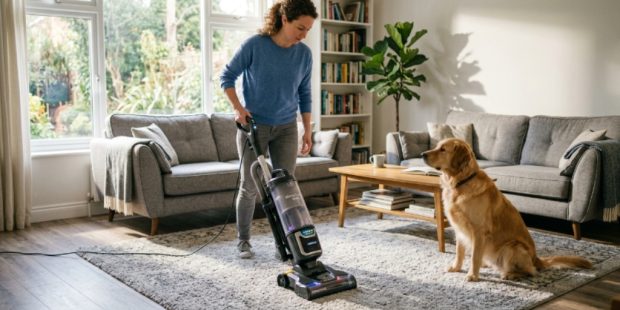
Pets bring so much joy into our lives. However, they also bring fur, dander, and allergens that can quickly take over a home. If you share your space with a dog or cat, you already know the struggle. Hair clings to sofas. Dander floats through the air. Allergies flare up without warning. The good news is that with the right anti-allergen vacuum, pet cleaning tools, and hair removal tips, you can take back control of your home.
This guide walks you through everything you need to know. From choosing the best vacuum to using everyday tools that make pet hair removal easier, you will find practical advice that works.
Why Pet Hair and Allergens Are Such a Big Problem
Pet hair is more than just a cosmetic nuisance. It carries dander, which is the real culprit behind most pet allergies. Dander consists of tiny flakes of skin shed by animals. These particles are incredibly light. Therefore, they travel through the air easily and settle on every surface in your home.
Common allergy symptoms include sneezing, itchy eyes, a runny nose, and even asthma attacks. These reactions can affect both pet owners and their guests. Additionally, pet hair tends to weave itself deep into carpet fibers, upholstery, and fabric. Regular sweeping and wiping simply do not reach deep enough to remove everything.
However, the situation is not hopeless. The right cleaning approach can reduce allergens significantly and make your home much more comfortable for everyone.
Choosing the Right Anti-Allergen Vacuum
Not all vacuums are created equal, especially when it comes to handling pet hair and allergens. A standard vacuum may pick up visible hair but release fine particles back into the air through its exhaust. That is why investing in a true anti-allergen vacuum matters.
What to Look for in a Vacuum for Pet Homes
When shopping for a vacuum, focus on a few key features.
First, look for HEPA filtration. A High-Efficiency Particulate Air filter traps 99.97% of particles as small as 0.3 microns. This includes dander, dust mites, and pollen. Without this filter, particles escape back into the air you breathe.
Second, consider suction power. Pet hair wraps tightly around carpet fibers. You need strong, consistent suction to pull it out. Vacuums with motorized brush rolls are especially effective on carpets.
Third, check the sealing quality. A vacuum can have a HEPA filter but still leak air through gaps in its body. Look for models that are fully sealed, meaning all airflow passes through the filter before exiting the machine.
Finally, think about attachments. A vacuum that comes with a pet hair nozzle, crevice tool, and upholstery brush is far more versatile. These allow you to clean furniture, stairs, car interiors, and tight corners efficiently.
Upright vs. Canister vs. Robot Vacuums
Upright vacuums work well for large carpeted areas. They are easy to push and cover a wide path with each pass. However, they can be heavy and less maneuverable around furniture.
Canister vacuums offer more flexibility. The suction unit sits separately on a wheeled base, making it easier to reach under beds and behind furniture. Many pet owners prefer canisters for their versatility.
Robot vacuums are a great supplement for daily maintenance. They can run on a schedule and pick up loose hair before it builds up. However, they are not a complete replacement for deep cleaning with a full-size vacuum.
Essential Pet Cleaning Tools Every Owner Should Have
Beyond the vacuum, there are several tools that make everyday pet hair and allergen management much easier. Together with an anti-allergen vacuum, pet cleaning tools like these form a complete cleaning system.
Rubber Gloves and Rubber Brooms
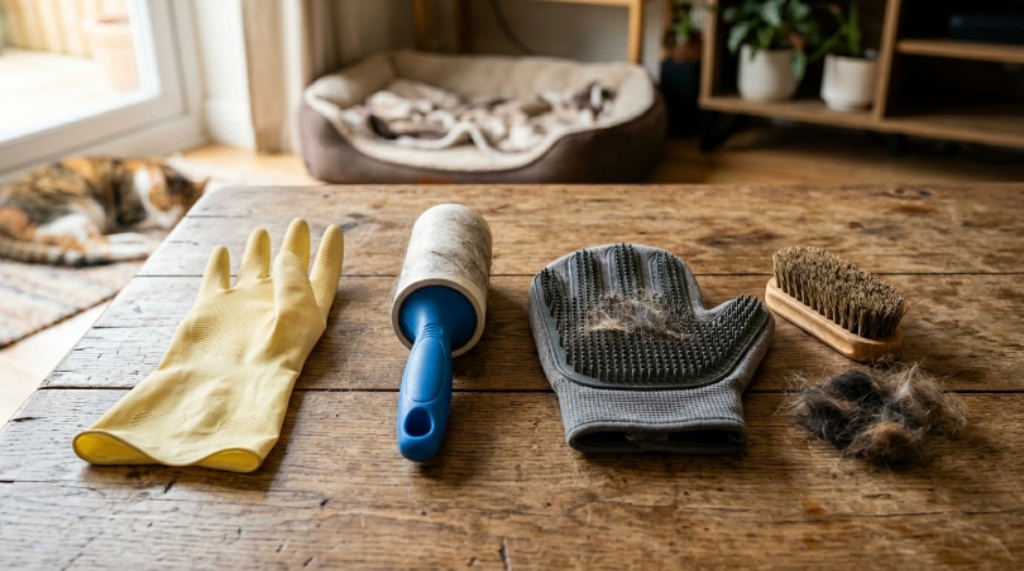
Rubber creates static electricity when rubbed against fabric. This makes it excellent for gathering pet hair. Simply put on a damp rubber glove and run your hand across the sofa or car seat. The hair clumps together and lifts right off. A rubber broom works the same way on hard floors and carpets, gathering hair into easy-to-collect piles.
Lint Rollers and Reusable Fabric Shavers
Lint rollers are a quick fix for clothing and bedding. Keep one near the door so you can do a fast sweep before heading out. Reusable fabric shavers, on the other hand, remove not just hair but also pilling from fabric. They are a sustainable alternative to disposable rollers for upholstery.
Pet Wipes and Grooming Mitts
Reducing hair in your home starts with reducing shedding at the source. Pet wipes are great for a quick daily wipe-down of your dog or cat. They remove loose hair and dander before it reaches your floors and furniture. Grooming mitts let you brush your pet while petting them, making the process stress-free for both of you.
Air Purifiers
An air purifier with a HEPA filter works alongside your vacuum to capture airborne dander. Place one in the rooms where your pet spends the most time. This is especially helpful for allergy sufferers. The purifier continuously filters the air, even between cleaning sessions.
Smart Hair Removal Tips for Every Surface
Having the right tools is only half the battle. Knowing how to use them effectively is just as important. These hair removal tips will help you work smarter, not harder.
Start High, Work Low
Always begin dusting and cleaning from the top of the room and work your way down. Dander and hair disturbed from high shelves and furniture will drift downward. Therefore, vacuuming the floor last ensures you pick up everything that has settled.
Use Damp Cloths on Hard Surfaces
Dry dusting on hard floors and surfaces sends particles airborne. Instead, use a slightly damp microfiber cloth or mop. The moisture traps particles rather than scattering them. Microfiber in particular is designed to hold onto fine debris at a microscopic level.
Groom Your Pet Regularly and Outdoors
Regular grooming is one of the most effective hair removal tips for reducing indoor shedding. Brush your pet at least two to three times a week. If possible, do this outdoors so loose hair does not scatter through your home. During shedding season in spring and autumn, consider increasing grooming frequency.
Wash Fabrics Often
Pet bedding, throw blankets, and cushion covers should be washed weekly in hot water. Hot water kills dust mites and flushes out dander. Additionally, washing removes odors and keeps fabrics fresh. Use a dryer on a high heat setting for extra effectiveness.
Establish Pet-Free Zones
Designating certain areas as pet-free — such as the bedroom — can dramatically reduce allergen exposure where you sleep. This is especially helpful for allergy sufferers. However, it requires consistent boundaries to be truly effective.
Keeping Up a Regular Cleaning Routine
Consistency is the key to a hair-free, low-allergen home. A one-time deep clean helps, but it will not last long in a pet household. Build a routine that works for your schedule.
Vacuum high-traffic areas and pet resting spots at least twice a week. Do a full home vacuum session once a week. Wipe down hard surfaces with a damp cloth every few days. Groom your pet regularly and wash fabrics weekly.
Additionally, replacing vacuum filters on schedule is important. A clogged filter reduces suction and can release trapped particles back into your home. Check the manufacturer’s recommendations and stick to them.
Conclusion
Living with pets does not have to mean living with constant sneezing, visible hair everywhere, and lingering allergens. By choosing a quality anti-allergen vacuum, pet cleaning tools suited to your home, and applying effective hair removal tips consistently, you can create a clean and comfortable environment for both you and your pets. Start with the right vacuum, build a toolkit of supportive cleaning tools, and develop a routine that keeps allergens at bay. Your home — and your sinuses — will thank you.
Frequently Asked Questions
What makes a vacuum “anti-allergen”?
An anti-allergen vacuum uses HEPA filtration and a fully sealed body to capture fine particles like pet dander and dust mites, preventing them from being released back into the air.
How often should I vacuum if I have pets?
Vacuum at least twice a week in areas your pet frequents, and once a week throughout the rest of your home. Daily light passes with a robot vacuum can help maintain cleanliness between deeper sessions.
Can grooming my pet at home reduce indoor allergens?
Yes. Regular brushing removes loose hair and dander before it spreads through your home. Doing it outdoors is even more effective, as it prevents the shed hair from settling on your floors and furniture.
Are robot vacuums good enough for pet hair?
Robot vacuums are great for daily maintenance and preventing buildup, but they are not a full replacement for a powerful upright or canister vacuum. Use both for the best results.
What is the best way to remove pet hair from clothing?
A lint roller is the quickest option for on-the-go use. For a more thorough clean, wash clothing in warm water and dry on a high heat setting, which loosens and removes embedded hair effectively.
Related Topics:
How to Find the Best Budget Cooling Pillows Without Compromising Comfort
