
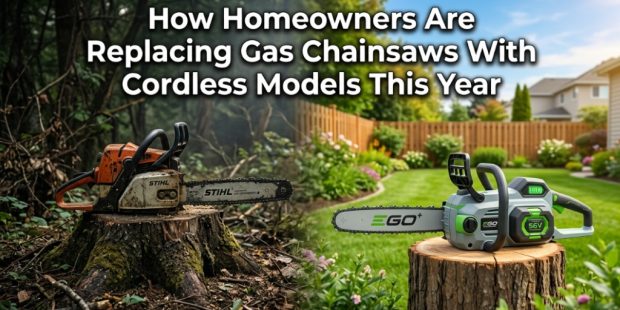
For the first time in decades, the smell of mixed fuel is disappearing from suburban backyards faster than fallen branches after a storm. The biggest reason homeowners are replacing gas chainsaws with cordless models this year is simple: modern battery-powered tools now deliver enough cutting power for most residential jobs without the noise, maintenance, fuel storage, and startup frustrations of gas engines. As cordless technology continues improving, many homeowners are discovering that a battery chainsaw handles routine tree trimming, storm cleanup, and firewood cutting more efficiently than older gas-powered alternatives.
What Does It Mean When Homeowners Replace Gas Chainsaws With Cordless Models?
Direct answer: It means homeowners are switching from fuel-powered chainsaws to rechargeable battery-operated chainsaws for routine yard work, tree maintenance, and property care.
The trend is accelerating because modern lithium-ion battery technology has dramatically improved performance. Just a few years ago, cordless chainsaws were considered suitable only for light pruning. Today, many models can cut medium-sized trees, process storm debris, and tackle demanding yard maintenance tasks without requiring gasoline or extensive maintenance.
Manufacturers such as DeWalt, Milwaukee, Makita, EGO, and Greenworks have invested heavily in cordless outdoor power equipment. Their latest products deliver higher chain speeds, longer runtimes, and faster charging than earlier generations.
For homeowners, the appeal comes down to convenience. A cordless chainsaw starts instantly with the push of a button, produces less vibration, and eliminates concerns about fuel mixing, carburetor issues, and spark plug maintenance.
Why Are More Homeowners Choosing Cordless Chainsaws This Year?
Direct answer: Homeowners are choosing cordless chainsaws because they are easier to use, quieter, cleaner, and increasingly capable of handling common residential cutting tasks.
The average homeowner rarely spends entire days cutting large timber. Most chainsaw use involves seasonal pruning, removing fallen branches, trimming trees, or cutting small amounts of firewood. For these jobs, cordless tools often provide all the performance needed.
Another factor driving adoption is the growing popularity of battery ecosystems. Homeowners who already own cordless drills, leaf blowers, string trimmers, and hedge trimmers can often use the same battery platform across multiple yard maintenance tools.
Battery reliability is also improving. Similar advancements in battery technology can be seen across many industries, including electric vehicles, where understanding battery health and replacement indicators has become increasingly important for long-term performance.
Key reasons homeowners are making the switch include:
- Instant push-button starting
- No gasoline storage requirements
- Reduced engine maintenance
- Lower operating noise
- Fewer emissions
- Lighter overall weight
- Improved safety features
- Compatibility with existing battery systems
These benefits make cordless chainsaws especially attractive for suburban homeowners who prioritize convenience and efficiency.
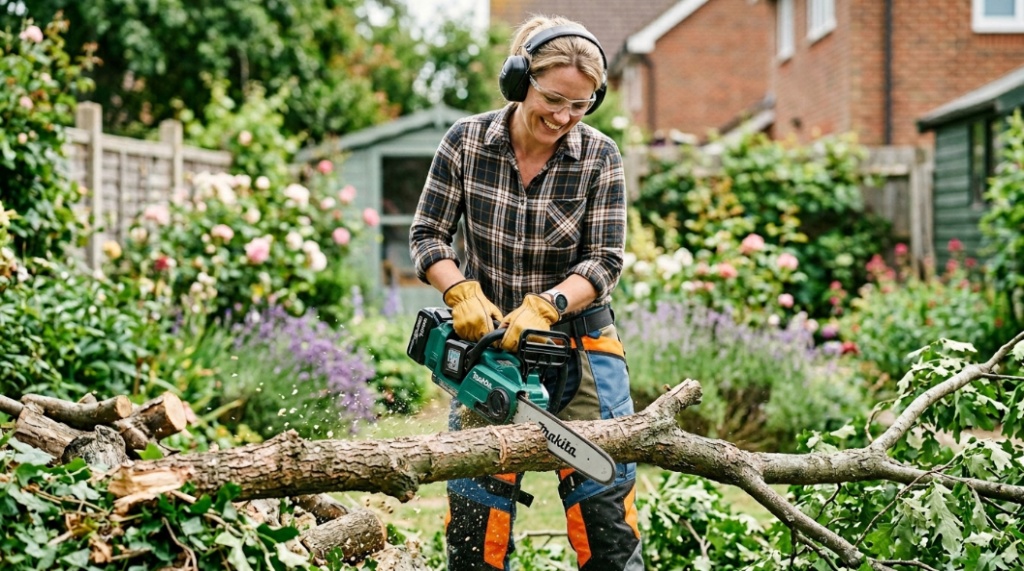
How Do Cordless Chainsaws Compare to Traditional Gas Chainsaws?
Direct answer: Cordless chainsaws offer superior convenience and lower maintenance, while gas chainsaws still maintain advantages for extended heavy-duty cutting.
| Feature | Cordless Chainsaw | Gas Chainsaw |
|---|---|---|
| Starting Method | Push button | Pull cord |
| Maintenance | Low | High |
| Noise Level | Lower | Higher |
| Fuel Requirement | Battery charging | Gasoline and oil |
| Runtime | Limited by battery | Continuous refueling |
| Weight | Often lighter | Usually heavier |
| Emissions | None during operation | Produces emissions |
| Best For | Residential use | Professional forestry |
While professional arborists and forestry crews still rely heavily on gas-powered equipment, most homeowners find cordless models more practical for regular use.
The balance between power and convenience has shifted significantly in favor of battery-powered tools over the past several years.
Are Modern Cordless Chainsaws Powerful Enough for Home Use?
Direct answer: Yes. Most modern cordless chainsaws provide enough power for pruning, storm cleanup, tree trimming, and moderate firewood cutting around residential properties.
Many homeowners assume battery-powered chainsaws lack sufficient power. In reality, premium cordless models now feature brushless motors capable of producing impressive torque and chain speed.
Common tasks a cordless chainsaw can easily handle include:
- Removing fallen limbs after storms
- Pruning mature trees
- Cutting small trees
- Processing firewood
- Landscape maintenance
- Fence line clearing
- Garden renovation projects
Performance depends on battery voltage, motor design, chain quality, and bar length. Models using 40V, 56V, 60V, or 80V battery systems often rival smaller gas chainsaws for residential applications.
Homeowners seeking affordable battery-powered cutting solutions can also explore this detailed guide on budget-friendly cordless chainsaws for residential use, which highlights practical options for everyday property maintenance.
What Maintenance Advantages Do Cordless Chainsaws Offer?
Direct answer: Cordless chainsaws require significantly less maintenance because they eliminate engines, fuel systems, spark plugs, and carburetors.
Gas-powered chainsaws require routine servicing. Common maintenance tasks include:
- Cleaning carburetors
- Replacing spark plugs
- Checking fuel filters
- Mixing fuel correctly
- Winterizing equipment
- Managing fuel degradation
By contrast, cordless chainsaws primarily require:
- Chain sharpening
- Bar maintenance
- Chain lubrication
- Battery charging
- General cleaning
This simplified maintenance schedule appeals strongly to homeowners who want tools that work immediately after months of storage.
Many users report fewer unexpected failures because there are fewer mechanical systems that can malfunction.
How Much Money Can Homeowners Save by Switching to Cordless Models?
Direct answer: Long-term savings often come from reduced fuel costs, lower maintenance expenses, and fewer repair requirements.
Initial purchase prices vary widely. Premium cordless chainsaws can sometimes cost as much as comparable gas models. However, ownership costs often favor battery-powered equipment over time.
Typical annual expenses eliminated include:
- Gasoline purchases
- Two-stroke oil
- Spark plug replacements
- Fuel stabilizers
- Carburetor servicing
- Engine tune-ups
For homeowners who use chainsaws only several times per year, eliminating maintenance frustrations may provide greater value than direct monetary savings.
Additionally, many households already own compatible batteries from other home gardening tools, reducing startup costs.
What Role Does Battery Technology Play in This Shift?
Direct answer: Improved lithium-ion battery technology is the primary reason cordless chainsaws have become practical alternatives to gas-powered models.
Battery innovation has transformed outdoor power equipment. Higher energy density allows manufacturers to pack more power into compact battery packs while maintaining manageable weight.
Modern battery systems provide:
- Longer runtimes
- Faster charging speeds
- Improved durability
- Consistent power output
- Better temperature management
- Extended lifespan
Some advanced systems now recharge in less than one hour, allowing users to continue working with minimal downtime.
The same battery developments fueling growth in electric vehicles have also accelerated innovation across cordless yard maintenance tools.
Are Cordless Chainsaws Better for the Environment?
Direct answer: Cordless chainsaws produce no direct emissions during operation and generally create a smaller environmental impact than comparable gas-powered equipment.
Small gasoline engines can generate disproportionate emissions relative to their size. Battery-powered alternatives eliminate exhaust emissions at the point of use.
Additional environmental benefits include:
- No gasoline spills
- No fuel evaporation emissions
- Reduced noise pollution
- Lower local air pollution
- Improved neighborhood comfort
While battery production carries environmental costs, improvements in battery recycling and manufacturing continue reducing overall lifecycle impacts.
For environmentally conscious homeowners, cordless chainsaws align well with broader sustainability goals and cleaner property maintenance practices.
What Should Homeowners Consider Before Buying a Cordless Chainsaw?
Direct answer: Buyers should evaluate battery platform compatibility, cutting needs, runtime requirements, bar length, and available safety features.
Not every cordless chainsaw suits every property. Consider the following factors before purchasing:
How Large Are the Trees on Your Property?
Larger trees require more powerful chainsaws with longer guide bars and higher-capacity batteries.
How Frequently Will You Use It?
Occasional users may prioritize convenience and affordability, while frequent users should focus on runtime and durability.
Do You Already Own Compatible Batteries?
Staying within an existing battery ecosystem can significantly reduce costs.
What Safety Features Are Included?
Look for chain brakes, anti-kickback systems, automatic oilers, and ergonomic handles.
How Long Does the Battery Last?
Runtime varies based on battery size, wood density, and cutting conditions. Always evaluate real-world runtime claims before purchasing.
Will Gas Chainsaws Eventually Disappear From Residential Use?
Direct answer: Gas chainsaws will likely remain available, but cordless models are expected to dominate residential markets as battery performance continues improving.
The transition mirrors changes seen in other categories of outdoor power equipment. Battery-powered lawn mowers, leaf blowers, hedge trimmers, and string trimmers have already achieved widespread adoption.
Several trends support continued cordless growth:
- Advancing battery technology
- Expanding battery ecosystems
- Growing environmental awareness
- Increasing fuel costs
- Demand for quieter neighborhoods
- Simplified maintenance expectations
For professional logging operations, gas engines still provide unmatched endurance. However, for homeowners performing routine property maintenance, cordless chainsaws increasingly represent the preferred solution.
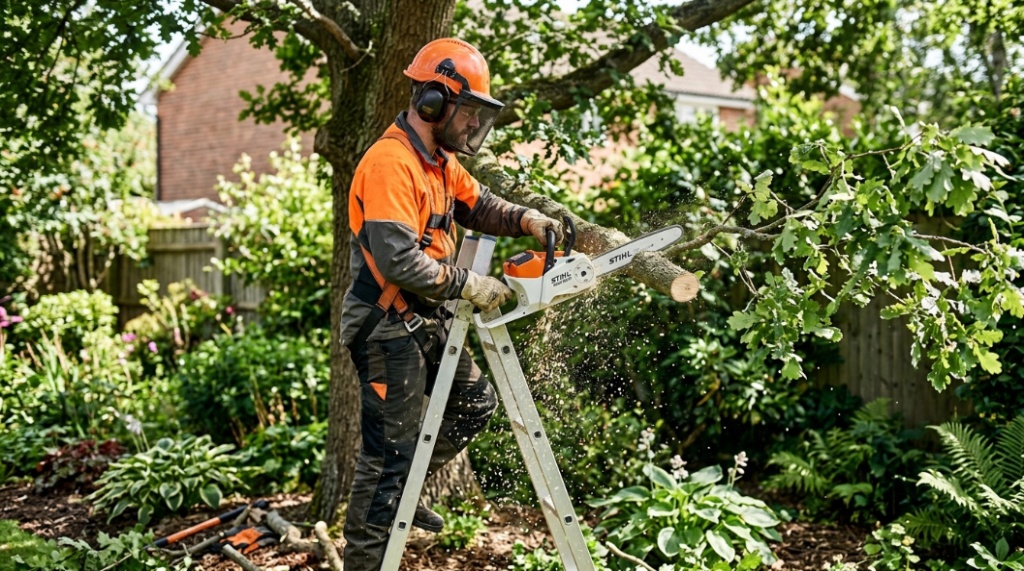
Conclusion: Why Is the Cordless Chainsaw Trend Accelerating?
Direct answer: Homeowners are replacing gas chainsaws with cordless models because modern battery technology now delivers the convenience, reliability, and performance needed for most residential cutting tasks.
From reduced maintenance and quieter operation to instant startup and cleaner performance, cordless chainsaws solve many frustrations associated with traditional gas-powered equipment. Improvements in lithium-ion batteries, brushless motor technology, and integrated tool ecosystems have narrowed the performance gap significantly.
As battery technology continues evolving, homeowners can expect even longer runtimes, faster charging, and greater cutting power. Similar advances in energy storage are reshaping transportation as well, making resources like this guide on evaluating electric vehicle battery replacement history increasingly relevant to consumers interested in battery-powered technology.
If you’re evaluating new yard maintenance tools this year, a modern cordless chainsaw deserves serious consideration. For many households, it delivers the ideal balance of performance, convenience, and long-term value.
Frequently Asked Questions
Are cordless chainsaws strong enough to cut large trees?
Yes, many premium cordless chainsaws can cut medium to large trees. However, very large tree removal projects may still require professional-grade gas-powered equipment.
How long does a cordless chainsaw battery last?
Most batteries provide between 30 and 90 minutes of active cutting time, depending on battery capacity, wood density, chain sharpness, and operating conditions.
Do cordless chainsaws require chain oil?
Yes. Although they do not use gasoline, cordless chainsaws still require bar and chain oil to reduce friction and ensure efficient cutting performance.
Can cordless chainsaws replace gas chainsaws completely?
For most homeowners, yes. Residential pruning, storm cleanup, tree trimming, and firewood preparation can typically be handled by modern cordless chainsaws.
What battery voltage is best for a cordless chainsaw?
Systems ranging from 40V to 80V generally provide strong performance. Higher-voltage systems often offer more power and longer runtimes for demanding applications.
Are cordless chainsaws safer than gas chainsaws?
Both require proper safety precautions. However, cordless chainsaws eliminate fuel-related risks and often include advanced electronic safety features.
Which homeowners benefit most from cordless chainsaws?
Property owners who perform seasonal yard work, tree maintenance, storm cleanup, and general landscaping tasks benefit most from the convenience and simplicity of cordless chainsaws.
