
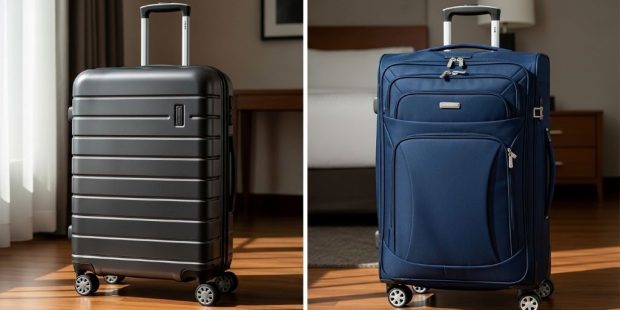
Choosing the right suitcase can make or break your travel experience. Standing in the luggage aisle, you face a fundamental decision: should you buy a hard shell or soft shell bag? Both options have passionate advocates, yet neither is universally superior. Your ideal choice depends on how you travel, where you go, and what you value most in your luggage.
This guide will walk you through everything you need to know about polycarbonate vs fabric suitcase options. By the end, you’ll understand which type suits your travel style best.
Understanding Hard Shell Luggage
Hard shell suitcases have gained popularity over the past decade. These rigid cases feature outer shells made from various materials, offering distinct advantages for certain travelers.
Materials Used in Hard Shell Cases
Modern hard cases use several different materials. Polycarbonate ranks among the most common choices due to its flexibility and strength. This material can bend under pressure without cracking, making it ideal for rough handling at airports.
ABS plastic provides another option at a lower price point. While less flexible than polycarbonate, it still offers decent protection for your belongings. Some premium brands use aluminum, which looks stylish but weighs considerably more.
Polypropylene represents a newer material gaining traction. It balances affordability with durability, though it typically weighs more than polycarbonate alternatives.
Advantages of Hard Shell Design
Hard cases excel at protecting fragile items. The rigid exterior creates a barrier against crushing forces. Therefore, travelers carrying electronics, glassware, or delicate souvenirs often prefer these cases.
Water resistance is another significant benefit. Rain or spills won’t penetrate the shell easily. Your clothes and belongings stay dry even in wet conditions. However, remember that zippers and seams can still allow moisture inside.
Additionally, hard shells maintain their shape over time. They don’t sag or lose structure like fabric bags might after years of use. This consistency makes packing more predictable trip after trip.
Security features work better with rigid cases. TSA-approved locks fit more securely, and the shell itself resists cutting attempts better than fabric.
Drawbacks to Consider
Despite their benefits, hard shells have limitations. External damage shows immediately. Scratches, scuffs, and dents accumulate with each journey. While these marks don’t affect functionality, they can make your luggage look worn quickly.
Storage flexibility presents another challenge. Hard cases can’t compress or squeeze into tight spaces. This rigidity makes storing them at home or fitting them into cramped overhead bins more difficult.
Weight varies significantly between models. Some hard shells are surprisingly light, while others feel heavy before you pack anything inside. Always check the empty weight before purchasing.
Capacity limitations frustrate some travelers. Without external pockets, everything must fit inside the main compartment. You can’t expand the bag if you pick up extra items during your trip.
Exploring Soft Shell Luggage
Soft shell bags represent the traditional approach to luggage. Made primarily from various fabrics, these cases offer different advantages that appeal to many travelers.
Common Fabric Types
Nylon dominates the soft luggage market. This synthetic fabric offers excellent durability and water resistance. Ballistic nylon, originally developed for military use, provides exceptional strength for durable travel bags.
Polyester costs less than nylon while still delivering reasonable durability. Many budget-friendly options use this material. It resists wear adequately for occasional travelers.
Canvas and cotton create a classic look but require more maintenance. These natural fabrics appeal to style-conscious travelers willing to care for their luggage properly.
Some manufacturers blend materials to optimize performance. They might use heavy-duty fabric on high-wear areas while keeping lighter material elsewhere to reduce weight.
Benefits of Soft Construction
Flexibility ranks as the primary advantage of fabric luggage. These bags squeeze into tight spaces, fitting into overhead compartments more easily. You can also compress them for storage at home.
External pockets provide convenient organization. Quick-access compartments let you grab documents, snacks, or electronics without opening the main section. This feature proves invaluable during airport security or train travel.
Soft shells typically weigh less than comparable hard cases. The fabric itself adds minimal weight, leaving more of your airline allowance for actual belongings.
Expandable zippers allow capacity increases when needed. Returning home with extra purchases becomes less stressful when your bag can grow an additional two inches.
The exterior forgives minor impacts better than hard shells. Fabric bounces back from bumps without showing permanent damage. Therefore, your luggage maintains a fresher appearance longer.
Potential Disadvantages
Protection for fragile items is limited. The flexible exterior won’t prevent crushing if heavy bags pile on top during transit. Travelers with delicate items need to pack carefully or choose hard shells instead.
Water resistance varies greatly between models. While many fabrics repel water initially, prolonged exposure or heavy rain can soak through. Additionally, older bags may lose their water-resistant coating over time.
Fabric can stain or absorb odors. Spills require immediate attention to prevent permanent marks. Regular cleaning helps, but some stains prove impossible to remove completely.
Security concerns exist with fabric construction. Determined thieves can cut through material more easily than hard shells. Locking zippers helps, but the fabric itself remains vulnerable.
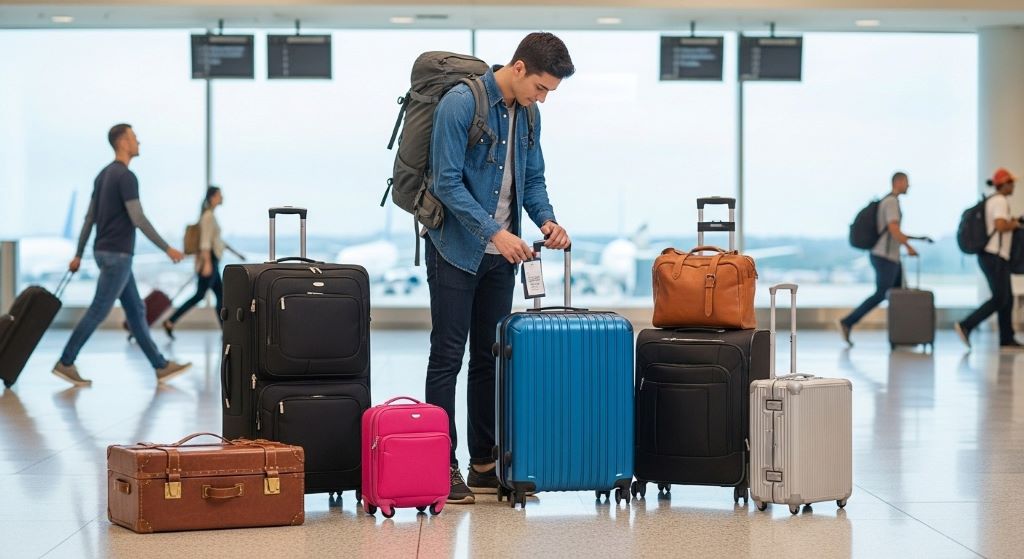
Comparing Durability and Longevity
When investing in durable travel bags, understanding lifespan expectations helps you make wise choices. Both types can last for years with proper care, yet they age differently.
How Hard Shells Age
Hard cases show cosmetic damage readily but often maintain functionality longer. Scratches accumulate on the surface, creating a worn appearance. However, the structural integrity remains sound.
Wheels and handles typically fail before the shell itself. Quality construction in these components matters more than the case material. Therefore, examine attachment points carefully when shopping.
Impact damage occasionally cracks hard shells beyond repair. While polycarbonate bends well, severe impacts can create breaks. Checking your luggage after each flight helps catch problems early.
Fabric Wear Patterns
Soft luggage experiences different aging issues. Fabric wears thin at stress points, particularly corners and along the bottom. Reinforced areas last longer, making construction quality crucial.
Zippers often fail first on fabric bags. The constant stress of opening and closing eventually wears out teeth or pulls. Investing in cases with quality zippers extends useful life significantly.
Handles and straps may fray or tear away from the bag. Stitching loosens over time, especially with heavy loads. Regular inspection helps you catch problems before complete failure.
Weight Considerations for Travelers
Airlines impose strict weight limits, making luggage weight an important factor. Every pound your empty suitcase weighs reduces what you can pack inside.
Comparing Empty Weights
Hard shell weights vary dramatically by material and size. Budget options might weigh eight to twelve pounds empty. Premium lightweight models can weigh as little as five pounds for carry-on sizes.
Soft shells generally weigh less at comparable sizes. A typical fabric carry-on weighs between four and seven pounds. Larger checked bags might range from seven to ten pounds empty.
However, features add weight to both types. Wheels, handles, locks, and internal organization systems all contribute. Comparing similar feature sets gives you accurate weight comparisons.
Impact on Packing Capacity
Lower luggage weight means more packing capacity within airline limits. If your empty bag weighs three pounds less, that’s three additional pounds of clothes, shoes, or souvenirs you can bring.
For international travel with strict limits, this difference matters significantly. Budget airlines often charge hefty fees for exceeding weight allowances. Therefore, lighter luggage can save money over time.
Frequent travelers benefit most from weight savings. If you fly monthly, those extra pounds of capacity add up to meaningful value across numerous trips.
Price Ranges and Value
Budget considerations influence most luggage purchases. Understanding pricing helps you find the best value for your needs.
Entry-Level Options
Budget hard shells start around fifty dollars for carry-on sizes. These typically use ABS plastic with basic wheels and handles. They serve occasional travelers adequately but may not withstand heavy use.
Affordable soft shells begin even lower, sometimes around thirty dollars. Basic polyester construction provides acceptable protection for light travelers. However, expect shorter lifespans with frequent use.
Mid-Range Selections
Most travelers find their ideal luggage in the one hundred to three hundred dollar range. Here, you’ll find quality polycarbonate vs fabric suitcase options that balance durability with affordability.
Mid-range hard shells often use better materials with improved wheel systems. They roll more smoothly and handle wear better than budget alternatives.
Quality soft shells in this range feature ballistic nylon or similar durable fabrics. Construction quality improves significantly, extending useful life considerably.
Premium Investments
Luxury luggage exceeds four hundred dollars and can cost over a thousand. These pieces feature superior materials, innovative designs, and excellent warranties.
High-end hard shells might use aluminum or carbon fiber. They make statements while providing exceptional protection.
Premium soft luggage uses military-grade fabrics with thoughtful organization systems. These bags often last decades with proper care.
Travel Style Matching
Your travel habits should guide your luggage choice. Different journey types favor different bag styles.
Business Travel Needs
Business travelers often prefer hard shells for professional appearance and laptop protection. The structured design looks polished in corporate settings.
However, external pockets on soft shells provide quick access to documents and electronics during security checks. This convenience matters during frequent short trips.
Adventure and Outdoor Trips
Soft shells excel for adventure travel. Their flexibility helps when stuffing bags into vehicle trunks or small accommodations. Additionally, external straps can secure extra gear.
Hard shells struggle in rugged environments. They’re more prone to damage on rough roads or when transported on vehicle roofs.
Family Vacations
Families often choose based on what they’re packing. Hard shells protect souvenirs and breakables collected during trips. The structured packing helps organize multiple family members’ belongings.
Soft shells offer more packing flexibility for varying amounts of clothing. The expandable feature helps accommodate growing children’s changing needs.
Luxury Travel Preferences
Luxury travelers increasingly choose high-end hard shells for their appearance and status. These bags project success while protecting valuable contents.
Some luxury travelers prefer premium soft shells for their classic elegance and lighter weight. Hotel staff handle bags carefully, reducing protection concerns.
Making Your Final Decision
Choosing between hard and soft luggage ultimately depends on your priorities. Consider these final factors before purchasing.
Assessing Your Priorities
List what matters most to you. Protection, weight, appearance, price, and flexibility all factor into the decision. Rank these priorities to clarify your needs.
If protection tops your list, lean toward hard shells. For flexibility and organization, soft shells make more sense. Budget-conscious travelers can find quality options in both categories.
Testing Before Buying
Whenever possible, handle luggage in person before purchasing. Roll it around the store to test wheel quality. Lift it to assess weight. Open and close zippers repeatedly.
Check how easily it opens and closes. Ensure compartments accommodate your typical packing needs. Verify that handles feel comfortable in your grip.
Reading Reviews Carefully
Online reviews provide valuable insights from actual users. Look for patterns in complaints or praise. A few negative reviews mean little, but consistent issues indicate potential problems.
Pay attention to comments about durability over time. Reviews from travelers with similar habits to yours offer the most relevant information.
Warranty Considerations
Quality manufacturers stand behind their products with warranties. These range from one year to lifetime coverage. Better warranties often indicate confidence in product durability.
Understand what the warranty covers. Some exclude wear items like wheels and handles. Others provide comprehensive coverage including repairs or replacement.
Conclusion
Deciding between hard shell and soft shell luggage doesn’t require finding one universally correct answer. Instead, match the luggage type to your specific travel needs and priorities.
Hard shells offer superior protection for fragile items and better water resistance. They maintain their shape well and provide enhanced security. However, they show cosmetic damage easily, lack external pockets, and typically weigh more.
Soft shells provide excellent flexibility, useful external organization, and generally lighter weight. They compress for storage and expand when needed. Nevertheless, they offer less protection for delicate items and may not resist water as effectively.
Consider your typical destinations, packing habits, and airline preferences. Business travelers might prioritize professional appearance and laptop protection. Adventure seekers often need flexible, lightweight options. Family vacationers may value capacity and organization.
The debate between polycarbonate vs fabric suitcase options continues because both serve different travelers well. Your perfect luggage choice reflects your unique travel style rather than following universal rules.
Invest time in researching options within your budget. Test luggage in person when possible. Read reviews from travelers similar to yourself. With thoughtful consideration, you’ll find durable travel bags that serve you faithfully for many journeys ahead.
Frequently Asked Questions
Which type of luggage lasts longer?
Both types can last many years with proper care. Hard shells resist structural wear but show cosmetic damage quickly. Soft shells hide minor wear better but may develop fabric tears or zipper failures. Quality construction matters more than material type for longevity.
Can I take both types as carry-on luggage?
Yes, both hard and soft shells come in carry-on sizes that meet airline requirements. However, soft shells squeeze into overhead bins more easily when flights are full. Always verify your specific airline’s size restrictions before traveling.
How do I clean each type of luggage?
Hard shells wipe clean easily with damp cloths and mild soap. Avoid abrasive cleaners that scratch the surface. Soft shells may require spot cleaning or machine washing, depending on the fabric. Always check manufacturer instructions before cleaning.
Are hard shells better for checked bags?
Hard shells provide better protection for checked baggage that experiences rough handling. They resist crushing and puncturing better than fabric. However, quality soft shells with reinforced construction also withstand checking reasonably well for most travelers.
Does luggage color affect durability?
Color doesn’t change actual durability, but darker shades hide dirt and scratches better than light colors. Bright colors help identify your bag quickly on carousels. Choose based on your preference for appearance versus easy spotting.
Related Topics:
How to pick the best SIM when travelling
Budget-friendly Exotic Places to Travel in the World
