
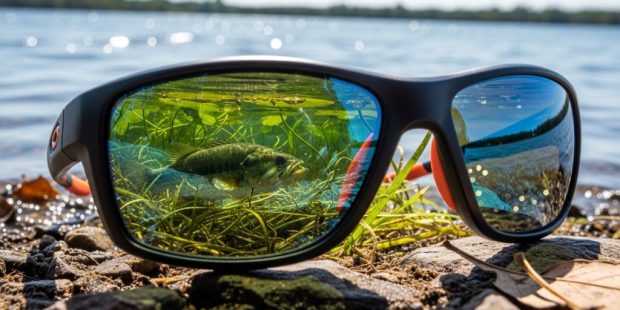
Bass fishing demands more than just the right rod, reel, and lure selection. Your ability to see what’s happening beneath the water’s surface can make the difference between a successful day on the lake and going home empty-handed. Quality sunglasses designed specifically for fishing provide advantages that many anglers overlook until they experience the difference firsthand.
The right eyewear transforms your fishing experience by allowing you to spot fish movements, identify underwater structures, and protect your eyes from harmful rays and flying hooks. However, not all sunglasses are created equal when it comes to bass fishing. Understanding what features matter most will help you make an informed decision that enhances your time on the water.
Why Regular Sunglasses Don’t Cut It for Bass Fishing
Many anglers start their fishing journey wearing ordinary sunglasses or cheap gas station pairs. While these provide basic sun protection, they lack the specialized features that serious bass anglers need. Standard sunglasses often distort colors, fail to reduce glare effectively, and don’t provide adequate coverage for the unique demands of fishing.
Regular sunglasses typically use generic tints that don’t enhance your ability to see through water. Additionally, they may not offer the durability needed to withstand the harsh conditions of fishing environments. Saltwater spray, freshwater splashes, and accidental drops can quickly damage ordinary eyewear.
Furthermore, standard sunglasses rarely provide the wraparound coverage that prevents light from entering at the sides. This side light creates distracting glare that reduces your visual clarity. Fishing-specific eyewear addresses these shortcomings with purpose-built features.
Understanding Polarization and Why It Matters
Polarization stands as the most critical feature in freshwater fishing eyewear. This technology filters out horizontal light waves that bounce off water surfaces, creating blinding glare. Without polarized lenses, you’re essentially blind to what’s happening below the surface.
The science behind polarization is straightforward yet powerful. Light waves typically vibrate in all directions. However, when light reflects off flat surfaces like water, it becomes horizontally polarized. Polarized lenses contain a special filter that blocks these horizontal waves while allowing vertical waves to pass through.
For bass anglers, this means you can see through the water column to spot fish, identify cover, and avoid underwater hazards. You’ll notice baitfish schools, submerged logs, rock piles, and vegetation that would otherwise remain invisible. This visual advantage helps you place your lures more accurately and increases your hookup ratio significantly.
Moreover, polarized lenses reduce eye strain during long days on the water. Your eyes won’t have to work as hard to filter out glare, which means less fatigue and better focus throughout your fishing session. This comfort factor allows you to stay on the water longer and remain sharp when that trophy bass finally strikes.
Choosing the Right Lens Color for Different Conditions
Lens color affects your ability to see in various lighting and water conditions. Different tints enhance contrast in specific situations, making this choice crucial for bass fishing success. Understanding which colors work best in different scenarios helps you maximize your visual advantage.
Copper or bronze lenses excel in low-light conditions such as early morning, late evening, or overcast days. These warm tints enhance contrast and depth perception, making them incredibly versatile for bass fishing. They work particularly well in freshwater environments where you need to distinguish subtle differences in water color and clarity.
Gray lenses provide true color perception and work best in bright, sunny conditions. They reduce overall brightness without altering colors significantly. However, they may not offer the contrast enhancement that other tints provide for spotting fish and structure.
Amber or yellow lenses shine in extremely low-light situations or foggy conditions. They brighten your view and enhance contrast dramatically. Many bass anglers keep these in their boat for dawn and dusk fishing sessions when bass are most active.
Green lenses offer excellent contrast in varying light conditions. They work well for both bright and moderately overcast days. These lenses help distinguish between different types of underwater vegetation, which is valuable when fishing around grass beds and lily pads.
Blue or purple mirror coatings reduce glare in extremely bright conditions while maintaining good color contrast. These work exceptionally well when fishing in clear, shallow water on sunny days. The mirror coating adds an extra layer of glare reduction beyond the polarization.
Frame Design and Fit Considerations
The frame design impacts both comfort and functionality during long fishing sessions. A proper fit ensures your sunglasses stay in place during casting, netting fish, and moving around the boat. Additionally, the right frame design prevents light from entering at the edges.
Wraparound styles provide the best coverage for bass angler gear needs. These frames curve around your face, blocking light from entering at the sides and reducing peripheral glare. This design also offers better protection from wind, spray, and flying hooks.
Frame material affects durability and comfort. Polycarbonate frames offer excellent impact resistance and flexibility. They can withstand accidental drops and won’t crack easily. Nylon frames provide similar benefits with slightly more flexibility.
Rubber nose pieces and temple tips prevent slippage when you sweat or get wet. Look for adjustable nose pads that let you customize the fit. Sunglasses that constantly slide down your nose become a frustrating distraction when you’re trying to focus on fishing.
Temple length matters more than many people realize. Longer temples provide better stability and prevent the frames from flying off during vigorous movements. Some fishing sunglasses include retainer straps for additional security.
Weight plays a role in all-day comfort. Lighter frames reduce pressure points and prevent headaches during extended wear. However, extremely lightweight frames may sacrifice durability. Finding the right balance ensures comfort without compromising longevity.
Lens Material and Durability Features
Lens material affects optical clarity, impact resistance, and scratch resistance. Understanding these differences helps you choose sunglasses that withstand the rigors of bass fishing while providing clear vision.
Polycarbonate lenses offer excellent impact resistance at a reasonable price point. They’re nearly unbreakable and provide good optical clarity. However, they scratch more easily than premium materials unless treated with protective coatings.
Glass lenses deliver superior optical clarity and scratch resistance. They maintain their clarity over years of use and resist scratches from cleaning and general wear. Nevertheless, glass is heavier and can shatter on impact, making it less ideal for active fishing situations.
Trivex lenses combine the best qualities of both materials. They offer optical clarity similar to glass with impact resistance exceeding polycarbonate. Additionally, they’re lighter than glass and more scratch-resistant than standard polycarbonate. This premium material comes at a higher price but provides excellent long-term value.
Scratch-resistant coatings extend the life of your lenses significantly. Look for sunglasses with hard coating treatments that protect against abrasions from cleaning, storage, and accidental contact with fishing gear.
Anti-reflective coatings on the back surface of lenses reduce glare from light bouncing off the inside of the lens. This feature improves clarity and reduces eye strain, particularly in bright conditions.
Hydrophobic coatings repel water, making it bead up and roll off rather than creating a film that obscures your vision. This feature proves invaluable when fishing in rain or dealing with spray from boat movement.
Understanding Light Transmission Percentages
Visible light transmission (VLT) refers to the amount of light that passes through your lenses. This measurement, expressed as a percentage, helps you select appropriate sunglasses for typical fishing conditions.
High VLT lenses (40-80 percent) allow more light through and work best in low-light conditions. These lighter tints excel during dawn, dusk, or overcast days when you need maximum brightness. Yellow, amber, and light rose tints typically fall in this range.
Medium VLT lenses (20-40 percent) provide versatility for variable conditions. These work well for partly cloudy days or situations where light levels change throughout your fishing session. Copper and bronze tints often fall in this category.
Low VLT lenses (5-20 percent) block most light and perform best in bright, sunny conditions. Dark gray, brown, and heavily mirrored lenses typically offer low VLT. These protect your eyes on bluebird days but may be too dark for early morning or evening fishing.
Therefore, serious bass anglers often invest in multiple pairs or interchangeable lens systems. Having options for different conditions ensures you always have the right tool for the current light levels.
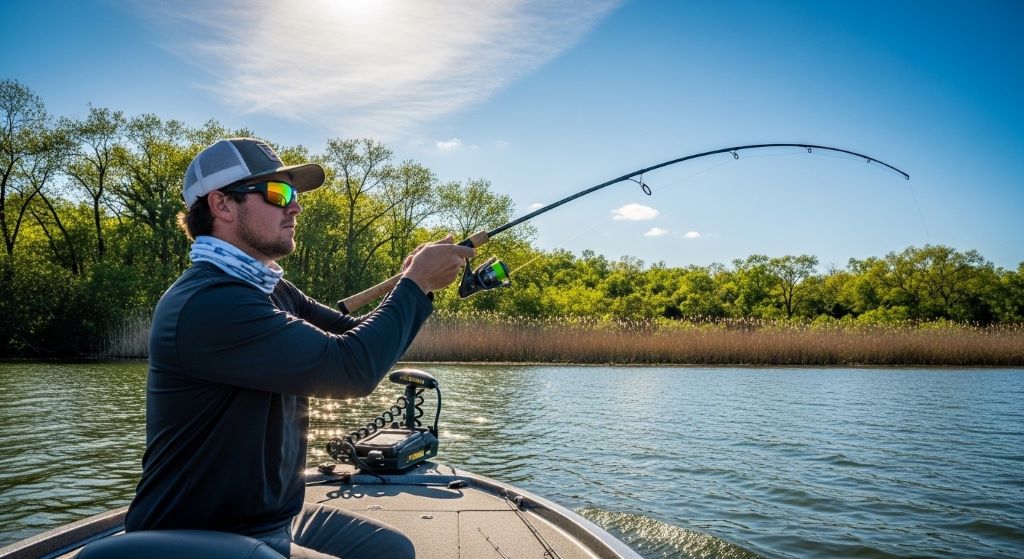
Protection Features Beyond Glare Reduction
Quality fishing sunglasses provide more than just glare reduction and enhanced vision. They protect your eyes from multiple hazards present in bass fishing environments.
UV protection is non-negotiable. Look for sunglasses that block 100 percent of UVA and UVB rays. Prolonged exposure to ultraviolet radiation causes cataracts, macular degeneration, and other serious eye conditions. Water reflects UV rays, increasing your exposure beyond what you’d experience on land.
Impact protection shields your eyes from flying hooks, lures, and debris. Bass fishing involves casting weighted lures at high speeds. A hook can easily fly back toward your face if your lure snags or your line breaks. Quality fishing sunglasses can prevent serious eye injuries in these situations.
Wind protection becomes important when running at high speeds in a bass boat. Wraparound frames prevent wind from drying out your eyes and carrying debris that could cause irritation or injury.
Blue light filtering reduces exposure to high-energy visible light. While research continues on blue light’s long-term effects, many anglers report reduced eye fatigue with blue light filtering lenses.
Price Ranges and What You Get at Each Level
Fishing sunglasses span a wide price range, from budget options under fifty dollars to premium models exceeding three hundred dollars. Understanding what you receive at each price point helps you make a smart investment.
Budget options (under seventy-five dollars) typically offer basic polarization and acceptable build quality. These work fine for occasional anglers or those new to the sport. However, they may lack advanced lens technology, durable coatings, and premium frame materials.
Mid-range sunglasses (seventy-five to one hundred fifty dollars) provide better optical clarity, improved polarization, and more durable construction. These represent the sweet spot for most serious bass anglers. You’ll find quality freshwater fishing eyewear with good lens technology and comfortable frames in this range.
Premium options (one hundred fifty to three hundred dollars) deliver top-tier optical performance, advanced lens materials, and superior durability. These sunglasses often include proprietary lens technologies, lifetime warranties, and excellent customer service. For anglers who fish frequently, the investment pays off through years of reliable performance.
Luxury models (over three hundred dollars) offer the absolute best in optical technology and craftsmanship. While these provide marginal improvements over premium options, dedicated tournament anglers and professionals often choose these for every possible advantage.
Care and Maintenance for Longevity
Proper care extends the life of your fishing sunglasses and maintains optimal performance. Following simple maintenance practices protects your investment and ensures clear vision season after season.
Always rinse your sunglasses with fresh water after each fishing trip. This removes salt, dirt, and fish slime that can damage coatings over time. Never wipe lenses dry without rinsing first, as this can scratch the surface with trapped particles.
Use only microfiber cloths designed for lens cleaning. Paper towels, shirts, and other fabrics can scratch coatings despite seeming soft. Keep a dedicated microfiber cloth in your boat and another in your vehicle.
Store your sunglasses in a hard case when not wearing them. Loose storage in a boat compartment or tackle bag leads to scratches and broken frames. A rigid case protects against crushing and keeps lenses safe from contact with hard objects.
Apply lens cleaner specifically designed for coated lenses. Household cleaners can damage anti-reflective and hydrophobic coatings. A spray bottle of lens cleaner in your boat makes it easy to maintain clear vision throughout the day.
Inspect your sunglasses regularly for loose screws, worn nose pads, and damaged coatings. Many manufacturers offer replacement parts and repair services. Addressing minor issues early prevents complete failure at inconvenient times.
Special Features Worth Considering
Modern fishing sunglasses include various additional features that enhance functionality for bass angler gear requirements. While not essential, these extras can improve your fishing experience.
Interchangeable lens systems allow you to swap lenses based on conditions without buying multiple pairs of sunglasses. One frame with several lens options provides versatility at a lower cost than multiple complete pairs.
Photochromic lenses automatically adjust their tint based on light levels. They darken in bright conditions and lighten in low light. This technology eliminates the need to switch sunglasses as conditions change throughout the day.
Side shields or removable wind blockers provide extra protection in harsh conditions. These accessories attach to the frame temples and prevent wind and spray from entering at the sides.
Built-in readers help anglers who need magnification for tying knots and adjusting small tackle. Bifocal fishing sunglasses eliminate the need to carry separate reading glasses on the water.
Floating frames prevent your sunglasses from sinking if they fall overboard. This feature provides peace of mind when fishing in deep water where retrieval would be impossible.
Prescription options allow anglers with vision correction needs to enjoy polarized fishing sunglasses. Many manufacturers offer prescription services or prescription-ready frames that accommodate your specific lens requirements.
Testing Before You Buy
Whenever possible, try sunglasses before purchasing. The right pair should feel comfortable immediately and provide clear, distortion-free vision. Several tests help you evaluate whether specific sunglasses meet your needs.
Look at horizontal lines like fence posts or building edges. Quality polarized lenses show these lines as straight, not wavy or distorted. Warping indicates optical imperfections that will cause eye strain.
Check for color consistency across the entire lens surface. Some cheaper polarized lenses have variations in tint density. Look through different areas of the lens at a consistent background to verify uniform tinting.
Test the fit by shaking your head vigorously. Sunglasses should stay in place without sliding or feeling loose. Conversely, they shouldn’t create pressure points that would become uncomfortable during extended wear.
Evaluate the field of view. Larger lenses provide better peripheral vision, which helps you track line movement and spot fish activity at the edges of your vision.
Look at polarized surfaces like car windows or glossy floors. Quality polarization eliminates glare from these surfaces, making them appear darker and clearer.
Conclusion
Selecting the right sunglasses for bass fishing involves understanding how polarization works, choosing appropriate lens colors for your fishing conditions, and finding frames that fit comfortably and securely. Quality freshwater fishing eyewear enhances your ability to spot fish and structure while protecting your eyes from harmful UV rays and fishing hazards.
Consider your typical fishing conditions when choosing lens colors and VLT percentages. Invest in durable materials with protective coatings that withstand the demands of bass fishing. Remember that proper fit and comfort matter just as much as optical performance when you’re wearing sunglasses for hours at a time.
While premium sunglasses require a significant investment, they provide advantages that directly impact your fishing success. Better vision means more fish spotted, more accurate casts, and fewer missed opportunities. Additionally, protecting your eyes from UV damage and potential injuries makes quality fishing sunglasses essential bass angler gear rather than optional accessories.
Take time to research options, try different models when possible, and maintain your sunglasses properly. The right pair will serve you well for many seasons and become as important to your fishing success as your favorite rod and reel combination.
Frequently Asked Questions
Do I really need polarized sunglasses for bass fishing, or will any dark sunglasses work?
Polarized sunglasses are essential for effective bass fishing, not just nice to have. Regular dark sunglasses only reduce brightness but don’t eliminate glare from the water’s surface. Without polarization, you cannot see through the water to spot fish, structure, or underwater hazards. The ability to see beneath the surface gives you a significant advantage in locating bass and placing your lures accurately.
Can I use the same sunglasses for both saltwater and freshwater fishing?
Yes, quality fishing sunglasses work well in both environments. However, saltwater is more corrosive and requires more diligent maintenance. After saltwater use, always rinse your sunglasses thoroughly with fresh water to prevent salt buildup that damages coatings and frames. Some anglers prefer different lens colors for each environment based on typical water clarity and light conditions.
How do I know if my polarized sunglasses are actually working correctly?
Test your polarized sunglasses by looking at a reflective surface like a car window, computer screen, or glossy table. Tilt your head 90 degrees while looking through the lenses. If the polarization is working, the view will change dramatically between vertical and horizontal head positions. Quality polarization should eliminate glare from water surfaces completely, allowing you to see through the water column clearly.
Are expensive fishing sunglasses worth the investment for weekend anglers?
The value depends on how often you fish and your budget. Mid-range sunglasses (seventy-five to one hundred fifty dollars) offer excellent performance for most weekend anglers. Premium models provide marginal improvements that matter more to professional anglers and those who fish daily. However, even budget-conscious anglers should prioritize polarized lenses and UV protection over saving money on non-polarized sunglasses that won’t serve their fishing needs.
Should I buy one versatile pair of sunglasses or multiple pairs for different conditions?
Start with one versatile pair featuring copper or bronze lenses with medium VLT. These work well in the widest range of conditions most bass anglers encounter. As you fish more and identify specific needs, consider adding a second pair with amber lenses for low light or darker lenses for bright conditions. Interchangeable lens systems offer a cost-effective middle ground, providing multiple lens options with one frame.
Related Topics:
Rust Be Gone: How to Keep Fishing Gear in Tip-Top Shape
Rod Holder Placement Tips: Maximize Space and Catch Rates
