
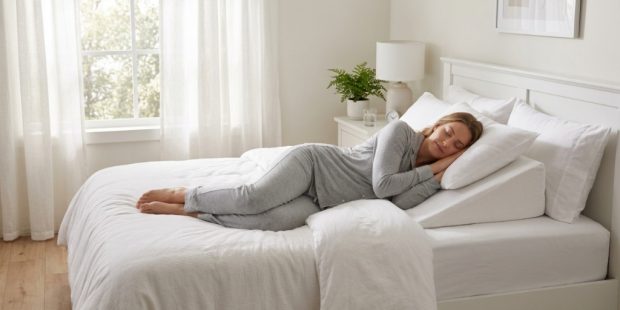
Tossing and turning at 3 a.m., staring at the ceiling while your mind races, is exhausting. You have likely tried everything from herbal teas to white noise apps, but the promise of a perfect night’s rest often comes with a hefty price tag. The truth is, you do not need a $5,000 mattress or a subscription to a luxury sleep tracker to wake up feeling refreshed. Many of the most effective strategies cost little to nothing.
This guide dives into practical, science-backed methods for affordable sleep support that transform your nightly routine without breaking the bank. Let us fix your sleep hygiene, optimize your environment, and stop the cycle of expensive, ineffective products.
Why is My Sleep Quality So Poor Lately?
Poor sleep quality usually stems from a combination of overlooked environmental factors and poor daily habits, not a lack of expensive gadgets. The primary culprits are inconsistent sleep schedules, excessive blue light exposure before bed, a bedroom that is too warm, and high stress levels. These factors disrupt your natural circadian rhythm and reduce your ability to enter deep, restorative sleep stages. The good news is that addressing these root causes is completely free.
The Hidden Cost of Modern Sleep Habits
Modern life works against your biology. Artificial lighting, constant notifications, and irregular work hours confuse your internal clock. Your body needs consistent cues to know when to release melatonin. When you watch television in bed or scroll through social media, you tell your brain to stay alert. This confusion is why you might feel tired but cannot fall asleep. Fixing this does not require a subscription—it requires a routine.
Debunking the “Better Mattress” Myth
While a good mattress matters, upgrading it is rarely the first step. Many people can significantly improve sleep by simply flipping their current mattress, adding a mattress topper, or using a different pillow. Before you spend thousands, try a simple desk cleanup by removing work items from your bedroom. Physical separation from stress is a powerful, free tool.
What Simple Bedroom Changes Improve Sleep Instantly?
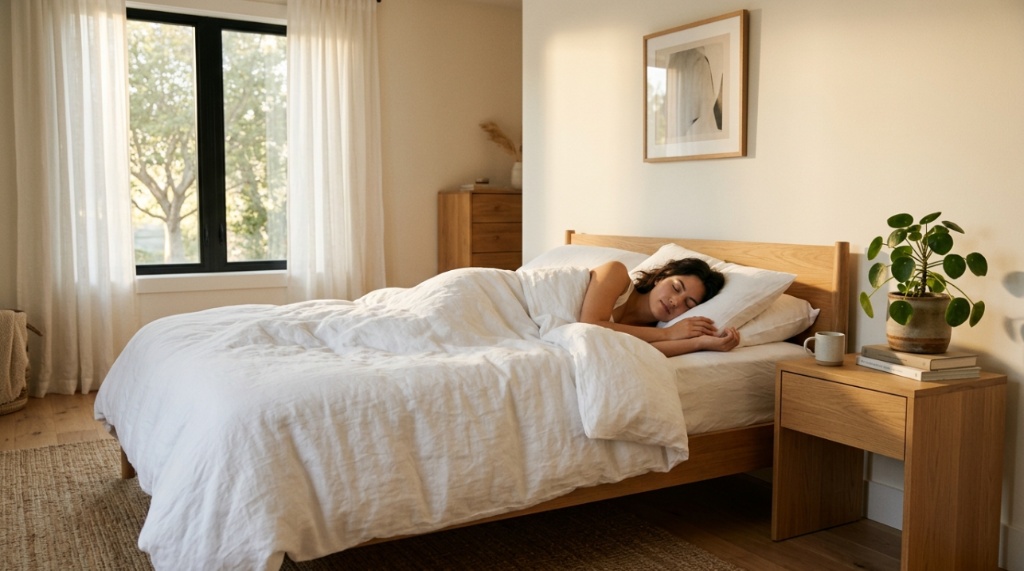
Transforming your bedroom into a sleep sanctuary does not require a renovation. Three cheap changes—total darkness, cooler temperature, and quiet—can instantly improve your sleep onset and depth. Start by making your room pitch black. Use blackout curtains, a sleep mask, or even tinfoil over the windows. Then, drop the thermostat to between 65 and 68 degrees Fahrenheit (18–20°C). Finally, eliminate noise, or mask it with a fan or free white noise app.
Light: The Unsung Hero of Cheap Sleep
Your eyes have light receptors that connect directly to your brain’s sleep center. Even a tiny sliver of light from a power strip or an alarm clock can suppress melatonin. Cover every LED. Tape over them. This is the single most cost-effective change you can make. Your body will begin producing melatonin naturally within 30 minutes of darkness.
Temperature Regulation on a Budget
Your core body temperature naturally drops to initiate sleep. A warm room fights this process, leading to restlessness. If you cannot adjust central air, use a simple trick: take a warm shower one hour before bed. The subsequent drop in body temperature signals sleep more effectively than any pill or supplement. Also, sleep with thin layers and use a lighter blanket if necessary.
How Can I Reset My Sleep Schedule Naturally?
To reset your sleep schedule, use the power of natural morning sunlight and a strict wake-up time. Wake up at the exact same time every day—including weekends—and immediately get outside or sit by a window. Morning light exposure stops melatonin production and sets your internal clock for the next 24 hours. This method is free, takes five minutes, and is more effective than any sleep tracking app for regulating your rhythm.
The Power of Morning Light Exposure
Light enters your eyes and hits the suprachiasmatic nucleus (SCN) in your brain. This is your master clock. Morning light tells this clock that the day has started. Within 15 minutes of waking, get sunlight for at least 10 minutes. Do this before looking at your phone. This single habit can shift your bedtime earlier naturally within three days.
Using Exercise as a Sleep Cue
Exercise is a powerful, free regulator of sleep. Physical activity raises your core temperature and then triggers a deeper drop hours later. Aim for 20 minutes of activity during the day, preferably in the morning or afternoon. Avoid intense exercise within two hours of bedtime as it can be too stimulating for some people.
Which Free Relaxation Techniques Work Best for Falling Asleep?
The best free relaxation techniques for falling asleep are the 4-7-8 breathing method and progressive muscle relaxation. These techniques shift your nervous system from “fight or flight” to “rest and digest.” The 4-7-8 method involves inhaling for four seconds, holding for seven, and exhaling for eight. Repeat four times. It forces your heart rate to slow down and quiets the mind naturally.
Progressive Muscle Relaxation (PMR) Explained
PMR involves tensing and then relaxing each muscle group in your body. Start with your toes, tense them for five seconds, then release and notice the sensation of relaxation. Move up to your calves, thighs, stomach, hands, arms, shoulders, and face. This practice relieves physical tension you did not realize you were holding. It is a free tool that rivals the effectiveness of prescription sleep aids.
Visualization: The Cheap Alternative to Meditation Apps
Instead of paying for a meditation app, use visualization. Picture a relaxing scene in vivid detail—a quiet beach, a forest path. Engage all your senses: what do you hear, smell, and feel? This distracts your brain from worries and guides it toward sleep. It is a mental exercise you can do anywhere, anytime.
What Foods Should I Eat (or Avoid) for Better Sleep?
Diet plays a critical role in sleep quality. To improve sleep without expensive supplements, focus on foods rich in tryptophan, magnesium, and melatonin. Eat a small snack like a banana, a handful of almonds, or a glass of warm milk an hour before bed. Avoid large meals, caffeine, and alcohol at least three hours before sleep. Caffeine blocks adenosine, the chemical that makes you sleepy, while alcohol disrupts your REM cycle.
The Truth About Melatonin Supplements
Melatonin supplements are widely available but often misused. They are best for resetting your clock after jet lag, not for everyday insomnia. Long-term use can confuse your natural production. Instead of a supplement, eat melatonin-rich foods like tart cherries, grapes, and tomatoes. This provides a natural, sustainable boost without the side effects.
Hydration Timing Matters
Drink enough water throughout the day, but taper off two hours before bed. A full bladder will wake you up. Conversely, dehydration can cause headaches and dry mouth that disturb sleep. Balance is key. A small glass of water at bedtime is fine, but avoid large volumes.
Can I Fix My Pillow Setup Without Buying a New Bed?
Yes. Your pillow setup is often the cheapest fix for neck pain and poor sleep. Many people sleep on pillows that are too high or too flat, causing spinal misalignment. The ideal pillow keeps your head and neck aligned with your spine, regardless of your sleeping position. For side sleepers, a firmer, higher pillow is best. For back sleepers, a medium loft works well. Stomach sleepers need a very thin pillow or none at all.
Assessing Your Current Pillow’s Condition
Check your pillow’s condition. A pillow that is lumpy, flat, or unable to hold its shape is no longer supporting you. A good rule is to replace pillows every 18 to 24 months. If you cannot buy a new one, try folding a towel under your neck to support the curve. This is a zero-cost adjustment that can reduce waking up with a stiff neck.
The Wedge Pillow Hack for Better Breathing
If you snore or have acid reflux, elevating your upper body can drastically improve sleep. You do not need a specialized bed for this. Simply place an extra pillow under your mattress or use a tightly rolled blanket to create a gentle incline. For those looking for a more permanent solution, investigating options for affordable sleep support like a memory foam wedge can provide proper elevation without buying an expensive adjustable bed frame.
How Does Screen Time Really Affect My Sleep?
Screen time before bed damages your sleep by suppressing melatonin and stimulating your brain. The blue light emitted by phones, tablets, and laptops tricks your brain into thinking it is still daytime. Additionally, the content—social media, news, emails—creates mental stimulation and stress. The solution is simple: implement a “digital sunset” at least 60 minutes before bed. Put your phone away and read a physical book or listen to an audiobook.
Free Tools to Reduce Blue Light
If you cannot avoid screens, use free software. Tools like f.lux or the built-in “Night Shift” mode on devices shift the screen’s color temperature to warmer tones. These settings are free and reduce some of the blue light impact. However, they are not a perfect solution. The best approach remains turning off screens entirely.
The “Phone-Free Hour” Challenge
Try a simple challenge for one week: put your phone in another room 60 minutes before bed. Use an old-fashioned alarm clock. You will be amazed at how quickly your sleep improves. Without the constant dopamine hits from notifications, your brain can wind down naturally. This habit is the most powerful, free tool for better sleep.
Is Napping Good or Bad for Nighttime Sleep?
Napping can be beneficial or detrimental depending on timing and duration. A “power nap” of 10 to 20 minutes in the early afternoon (before 3 p.m.) can boost alertness and cognitive function without affecting nighttime sleep. However, long naps lasting over 90 minutes or naps taken late in the day will steal your sleep pressure and make it harder to fall asleep at night. If you struggle with insomnia, avoid napping entirely.
The Ideal Nap Schedule
Keep naps short and early. The best time is between 1 p.m. and 3 p.m., when your body naturally experiences a dip in alertness. Set a timer for 20 minutes. This allows you to get the restorative benefits of stage 2 sleep without entering deep sleep, which can cause grogginess. A short nap is a free productivity hack that also supports your sleep cycle.
When Should I Seek Professional Help for Sleep?
You should seek professional help when simple, cheap changes do not work after four to six weeks. Chronic insomnia, loud snoring with gasping episodes (sleep apnea), or restless legs that prevent sleep require a doctor’s evaluation. Many health insurance plans cover sleep studies. Do not spend money on expensive gadgets or unregulated supplements if you have a medical issue. A doctor can provide a diagnosis and effective, often low-cost, treatment plans.
Recognizing the Signs of Sleep Apnea
Sleep apnea is a serious condition where your breathing stops repeatedly during the night. Symptoms include loud snoring, waking up gasping for air, daytime sleepiness, and morning headaches. If you experience these, see a doctor. Treatment often involves a CPAP machine, which is a medical device, not a luxury product. Ignoring the signs can lead to heart problems.
When to Try a Sleep Diary
Before visiting a doctor, keep a simple sleep diary for two weeks. Write down your bedtime, wake time, estimated sleep duration, and how you feel in the morning. This free record provides invaluable data for any healthcare provider. It helps distinguish between poor sleep habits and a genuine sleep disorder.
Your sleep position dictates how well your airway stays clear throughout the night. If you frequently snore or wake up gasping, adjusting your upper body elevation can offer immediate relief. You can easily learn to Support Sleep Apnea Naturally with a Wedge Pillow to keep your throat passages open without buying bulky medical machinery.
Conclusion
Improving your sleep quality does not require a trip to the store or a large credit card bill. The most effective tools are already in your control: consistent timing, morning light, a cool dark room, relaxation techniques, and smart dietary choices. By addressing the foundational elements of sleep hygiene, you can achieve deeper, more restorative rest tonight without spending a dime. Start with one small change—waking up at the same time tomorrow—and build from there. Your body will thank you with better energy, clearer thinking, and a healthier life. Do not wait for an expensive gadget to fix something you can solve with simple habits. Take charge of your sleep tonight.
Frequently Asked Questions
Will a cooler room really help me sleep better?
Yes. Your body needs to drop its core temperature to initiate and maintain sleep. A room temperature between 65 and 68 degrees Fahrenheit (18–20°C) is ideal. This supports your natural thermoregulation process without any additional cost.
Can I improve sleep quality by just changing my pillow?
Absolutely. A pillow that does not support your head and neck alignment can cause pain and restlessness. Matching your pillow height to your sleeping position is one of the cheapest and most effective adjustments you can make for better spinal alignment and comfort.
Is it bad to drink water right before bed?
Drinking a small amount of water is fine, but avoid large volumes. Drinking too much right before bed can lead to waking up to use the bathroom, which fragments your sleep. Stop drinking fluids about two hours before your target bedtime.
How long does it take to reset my sleep schedule naturally?
It usually takes three to five days to shift your schedule using morning light and a consistent wake time. To see full adaptation, expect one to two weeks of strict routine. The key is consistency, not a single perfect night.
Does exercising late at night ruin my sleep?
For most people, intense exercise within one hour of bed can be stimulating due to increased heart rate and adrenaline. However, gentle stretching or yoga close to bedtime can be beneficial. Listen to your body and avoid high-intensity workouts late at night.
What is the single cheapest way to fall asleep faster?
The 4-7-8 breathing technique. It costs nothing and takes one minute. Inhale for four seconds, hold for seven, exhale for eight. Repeat four times. This activates your parasympathetic nervous system and lowers your heart rate, making it easier to drift off.
Can I use my phone as an alarm clock safely?
Yes, but only if you place it in another room or use airplane mode. The temptation to check notifications or browse social media is too high. Use a simple, battery-powered alarm clock if possible. The goal is to remove the phone from your sleep environment entirely.
