
A leather wallet is more than a simple accessory. It is something you carry every day. It reflects your style and supports your daily routine. However, not all wallets are made to last. Some wear out quickly, while others develop a rich, attractive look over time.
If you want a wallet that improves with age, you need to choose carefully. This guide will help you understand what makes a wallet durable and how to pick one that will serve you for years.
Why Leather Wallet Quality Matters
A wallet faces daily stress. It is folded, squeezed, and exposed to heat and moisture. Therefore, low-quality materials break down fast.
A high-quality genuine leather wallet can handle these challenges. It does not just survive. It develops character. Over time, it gains a unique patina, which makes it even more appealing.
Additionally, a durable wallet saves money. Instead of replacing it every year, you invest once and use it for a long time.
Understanding Types of Leather
Not all leather is the same. Knowing the differences will help you choose wisely.
Full-Grain Leather
Full-grain leather is the strongest and most durable type. It uses the top layer of the hide, which includes natural marks and fibers.
- It ages beautifully
- It develops a rich patina
- It resists wear and tear
Therefore, it is the best choice for a long life wallet.
Top-Grain Leather
Top-grain leather is slightly processed. It is smoother and more uniform.
- It looks refined
- It is still durable
- It resists stains better
However, it does not age as naturally as full-grain leather.
Genuine Leather
This type is made from lower layers of the hide. It is more affordable but less durable.
- It looks good at first
- It may crack over time
- It does not develop strong character
Still, a well-made genuine leather wallet can offer decent performance if crafted properly.
Bonded Leather
Bonded leather is made from leftover scraps. It is the least durable option.
- It wears out quickly
- It lacks strength
- It does not age well
Therefore, it is best to avoid this type.
Check the Craftsmanship
Material alone is not enough. Craftsmanship plays a major role in durability.
Stitching Quality
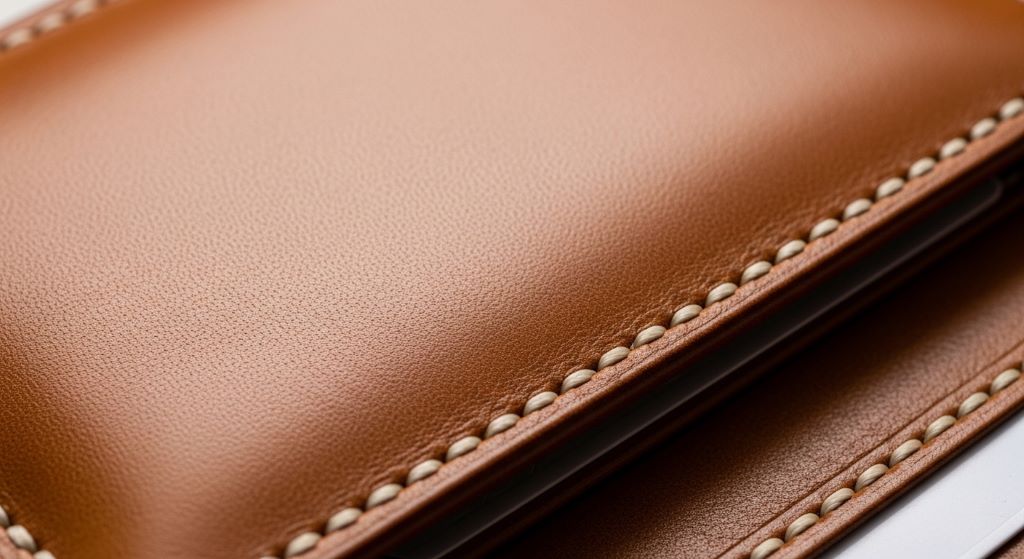
Look for tight and even stitching. Loose threads can lead to damage.
- Double stitching adds strength
- Nylon or polyester thread lasts longer
- Clean edges show attention to detail
Additionally, hand-stitched wallets often last longer than machine-made ones.
Edge Finishing
Well-finished edges prevent fraying. They also give the wallet a polished look.
- Burnished edges resist moisture
- Painted edges add protection
Therefore, always inspect the edges carefully.
Lining Material
Some wallets include fabric lining. Make sure it is strong and well-attached.
- Cotton lining is breathable
- Synthetic lining adds durability
However, poor lining can tear and reduce the wallet’s lifespan.
Choose the Right Design for Longevity
Design affects how long your wallet will last.
Slim vs. Bulky Wallets
A slim wallet experiences less stress.
- It bends less
- It keeps its shape
- It fits comfortably in pockets
On the other hand, bulky wallets stretch over time.
Bi-Fold vs. Tri-Fold
Bi-fold wallets are more durable because they have fewer folds.
- Less pressure on seams
- Better structure retention
Tri-fold wallets may wear out faster due to multiple creases.
Card Capacity
Avoid overloading your wallet.
- Too many cards cause stretching
- It weakens the leather
Therefore, choose a wallet that matches your needs.
Look for High-Quality Hardware
Some wallets include zippers, snaps, or metal parts. These should be strong and rust-resistant.
- Brass hardware lasts longer
- Stainless steel resists corrosion
Additionally, smooth zippers indicate good quality.
Pay Attention to Leather Finish
The finish affects both appearance and durability.
Aniline Finish
This finish keeps the natural look of leather.
- Soft and breathable
- Develops a rich patina
However, it requires more care.
Semi-Aniline Finish
This finish adds a protective layer.
- More resistant to stains
- Still looks natural
Therefore, it offers a balance between beauty and protection.
Pigmented Finish
This finish adds a strong coating.
- Highly durable
- Less natural appearance
It is suitable for rough use.
Evaluate the Smell and Texture
Real leather has a distinct smell. It is rich and earthy.
- Fake leather smells like plastic
- Poor-quality leather may have a chemical odor
Additionally, touch the surface.
- Good leather feels soft yet firm
- It should not feel overly stiff or too smooth
These signs help identify quality.
Consider Brand Reputation
A trusted brand often delivers better quality.
- Established brands use better materials
- They follow strict manufacturing standards
However, do not rely only on the name. Always check the product details.
Maintenance Tips for Long-Lasting Wallets
Even the best wallet needs care.
Keep It Clean
Wipe your wallet regularly.
- Use a dry cloth for dust
- Avoid harsh chemicals
Condition the Leather
Leather can dry out over time.
- Use a leather conditioner every few months
- It keeps the leather soft and flexible
Avoid Water Exposure
Water can damage leather.
- Keep your wallet dry
- If wet, let it air dry naturally
Store Properly
When not in use, store your wallet in a cool place.
- Avoid direct sunlight
- Use a dust bag if available
These steps help maintain your long life wallet.
Signs of a Wallet That Will Age Beautifully
Not all wallets improve with time. Look for these features:
- Natural grain patterns
- Minimal chemical treatment
- High-quality stitching
- Soft yet durable texture
Additionally, a well-made wallet develops a unique look. It reflects your usage and lifestyle.
Common Mistakes to Avoid
Choosing the wrong wallet can lead to disappointment.
Focusing Only on Price
Cheap wallets often cost more in the long run. They wear out quickly.
Ignoring Leather Type
Not all leather offers the same durability. Always check the type.
Overlooking Stitching
Weak stitching can ruin even good leather.
Buying Oversized Wallets
Large wallets stretch and lose shape faster.
Therefore, always balance quality, design, and practicality.
How to Match Style with Durability
A wallet should look good and last long.
Classic Colors
Neutral colors age better.
- Brown develops a rich patina
- Black stays elegant
Minimalist Design
Simple designs last longer.
- Fewer parts mean less wear
- Clean look stays timeless
Additionally, avoid trendy designs that may go out of style quickly.
Environmental and Ethical Considerations
Today, many buyers care about sustainability.
- Look for eco-friendly tanning methods
- Choose brands with ethical sourcing
Additionally, vegetable-tanned leather is a good option. It uses natural materials and ages beautifully.
Balancing Budget and Quality
You do not need to spend a fortune. However, extremely cheap options often fail.
- Set a reasonable budget
- Focus on material and craftsmanship
A well-chosen genuine leather wallet can offer both affordability and durability when selected carefully.
Final Thoughts Before Buying
Before making a purchase, ask yourself:
- Does it fit my daily needs?
- Is the leather type durable?
- Is the stitching strong?
- Will it age well over time?
If the answer is yes, you are making a smart investment.
Conclusion
Choosing a durable leather wallet requires attention to detail. From leather type to craftsmanship, every factor matters. Full-grain and top-grain leather offer the best longevity. Additionally, strong stitching and thoughtful design improve durability.
A good wallet does more than hold your essentials. It becomes a part of your daily life. Over time, it tells a story through its texture and color.
Therefore, invest wisely. With proper care, your long life wallet will not only last for years but also look better with age.
FAQs
-
How long does a leather wallet typically last?
A high-quality wallet can last 5 to 10 years or more with proper care.
-
What is the best leather type for durability?
Full-grain leather is the most durable and ages the best.
-
How can I tell if a wallet is real leather?
Check the smell, texture, and grain. Real leather feels natural and has a rich scent.
-
Can leather wallets be repaired?
Yes, minor damage like loose stitching or scratches can often be repaired.
-
How often should I condition my leather wallet?
Condition it every 3 to 6 months to keep it soft and prevent cracks.
Related Topics:
15 Uplifting Gifts for Difficult Times That Truly Show You Care
How to Wrap a Gift Card for Christmas: Creative Ideas and Tips
