
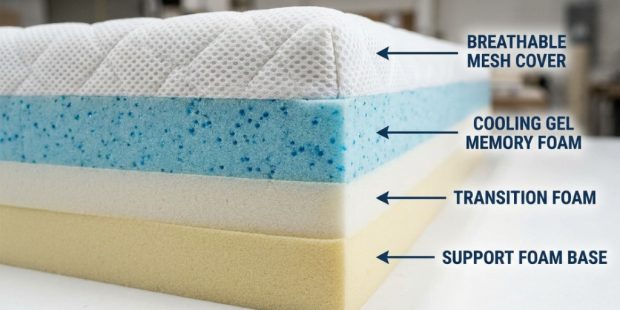
Waking up drenched in sweat ruins sleep quality and leaves you exhausted the next day. If overheating is the reason you keep throwing off the covers, the pillow under your head may be working against you. The Qutool cooling pillow is designed specifically to address this problem with heat-dissipating materials and a ventilated structure. This article explains how it works, who it helps most, and what to weigh before buying so you can decide whether it is the right fit for your sleep environment.
Key Takeaways
- Cooling pillows help mainly by improving airflow and drawing heat away from the head, but they cannot override a hot room or heavy bedding.
- The Qutool pillow uses a shredded memory foam fill with a cooling cover and ventilated design, which separates it from standard foam pillows that trap heat.
- Shredded fill is adjustable, so you can add or remove foam to match your sleeping position and preferred loft.
- Cooling performance depends on factors beyond the pillow itself, including room temperature, pajamas, and mattress materials.
- Night sweats can have medical causes, so persistent heavy sweating is worth discussing with a healthcare professional rather than treating with bedding alone.
Why Standard Pillows Make Night Sweats Worse
Most pillows retain heat because of what they are made of. Traditional memory foam is dense and closed off from airflow, so body heat builds up instead of escaping. Down and polyester fills trap warmth the same way a jacket does. When your head sits on a surface that holds heat, your body keeps trying to cool itself, and the cycle of sweating and waking continues.
This is why material choice matters more than thread count or firmness alone. A pillow that feels comfortable at bedtime can become a heat trap within an hour. If you frequently flip your pillow to find the cool side, that is a clear sign the fill and cover are not moving heat away effectively.
How the Qutool Cooling Pillow Approaches the Problem
The Qutool cooling pillow combines three design elements that target heat retention directly: a cooling cover fabric, a ventilated internal structure, and a shredded memory foam fill. Each element plays a different role in keeping the sleep surface cooler.
This combination is one reason it is frequently recommended as a best pillow for night sweats candidate. The shredded fill allows air to move through the pillow more freely than a solid block of foam, while the cover is designed to feel cool against the skin. The ventilated construction further reduces the buildup of trapped body heat.
Cooling cover fabric
Cooling covers typically use moisture-wicking, quick-drying synthetic blends engineered to feel cool to the touch. The effect is real but temporary in the sense that it depends on airflow around the pillow. If the cover stays compressed under your head all night with no air movement, its cooling benefit fades. Pairing it with a fan or cooler room extends the effect.
Shredded memory foam fill
Shredded foam is memory foam that has been cut into small pieces rather than molded into a single block. This matters for two reasons: air can pass between the pieces, and you can adjust the fill level. Solid foam tends to sleep hot and offers no adjustability, while shredded fill addresses both drawbacks.
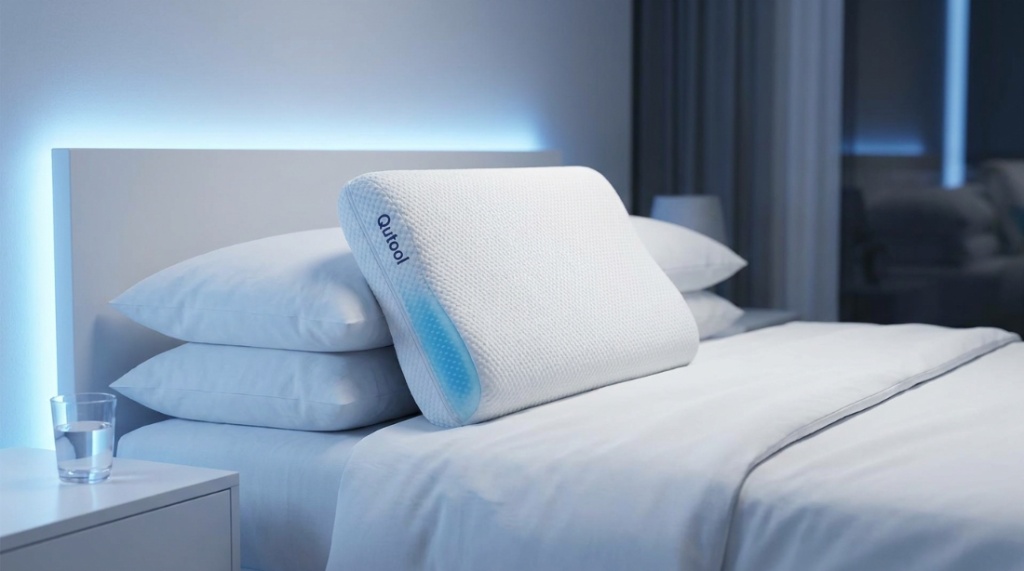
Adjustability: A Practical Advantage
Shredded fill lets you change the pillow’s height to match your sleeping position, which affects both comfort and how much surface area touches your skin. Back sleepers generally need a medium loft, side sleepers need more height to fill the gap between shoulder and head, and stomach sleepers need very little.
A pillow that is too tall can push your neck into an awkward angle, and one that is too flat may not support your head properly. With an adjustable fill, you can remove foam for a lower profile or add it back for more support. This is a meaningful advantage for anyone who has struggled to find a pillow with the right height, since most pillows are fixed,to improve your nighttime alignment and breathing, you can also support sleep apnea naturally with a wedge pillow.
What Cooling Pillows Can and Cannot Do
It is worth being realistic about the limits of any cooling pillow. A pillow cools only the surface it touches: your head and neck. It does not lower your core body temperature, and it cannot compensate for a warm bedroom, thick blankets, or a heat-retaining mattress.
- What it can do: reduce heat buildup at the scalp, improve airflow around the head, wick moisture from the surface, and feel cooler to the touch.
- What it cannot do: override a room above roughly 75°F, replace a breathable mattress or bedding, or treat a medical cause of night sweats.
Think of a cooling pillow as one part of a cooler sleep system, not a standalone fix. Lowering your thermostat, choosing breathable sheets, and wearing light pajamas all contribute to the same goal.
Who Benefits Most From a Cooling Pillow
Cooling pillows help most when overheating is the specific problem disrupting your sleep. If you sleep comfortably but wake with neck pain, temperature is not your issue, and a different type of pillow may serve you better.
The people who tend to notice the biggest difference include:
- Hot sleepers who wake up sweating regardless of the season.
- People in warm or humid climates without strong air conditioning.
- Anyone experiencing hormonal temperature swings, such as during menopause or pregnancy.
- Sleepers who currently use solid memory foam or down pillows and want a cooler alternative.
- Side sleepers who need adjustable height along with cooler materials.
How to Get the Most From a Cooling Pillow
A cooling pillow works best when the rest of your sleep setup supports it. Small changes often make a bigger difference than the pillow alone.
- Lower the room temperature before bed. A cooler room gives the pillow’s cooling materials a head start and helps your body drop into sleep.
- Choose breathable bedding. Percale cotton, linen, or moisture-wicking sheets allow heat and moisture to escape instead of trapping them.
- Adjust the fill to your position. Remove foam for stomach sleeping, add it for side sleeping, and aim for a neutral neck alignment.
- Rotate or flip the pillow. Even a good cooling pillow benefits from being turned during the night to expose a fresh, cooler surface.
- Keep the cover clean. Cooling fabrics lose effectiveness when clogged with oils or lotions, so follow the care instructions.
Limitations and Things to Keep in Mind
Cooling pillows are not a treatment for medical conditions. Night sweats can be caused by hormonal changes, infections, certain medications, anxiety, or other health issues. If you regularly soak your sheets despite a cool room and light bedding, that pattern deserves a conversation with a doctor rather than a new pillow.
It is also fair to say that no pillow stays cool indefinitely. Cooling covers and breathable fills slow heat buildup and improve comfort, but they do not generate cold. Anyone expecting a pillow to stay icy for eight hours straight will be disappointed. The realistic benefit is a cooler, more comfortable surface for longer stretches of sleep, especially when combined with good airflow in the room.
Frequently Asked Questions
Is a cooling pillow actually effective for night sweats?
It can reduce heat and moisture at the head and neck, which improves comfort for hot sleepers. It works best as part of a cooler sleep environment and is not a medical treatment for the underlying cause of night sweats.
How is the Qutool pillow different from regular memory foam?
Regular memory foam is a solid block that traps heat. The Qutool pillow uses shredded foam, which allows more airflow and lets you adjust the pillow’s height by adding or removing fill.
Can I adjust the firmness of a shredded memory foam pillow?
Yes. Removing foam makes the pillow flatter and softer, while adding it back increases height and support. Most people adjust it to match their sleeping position.
Do cooling pillows stay cold all night?
No. They slow heat buildup and feel cool at first, but they do not stay cold for hours. A cool room and breathable bedding help extend the cooling effect.
When should I see a doctor about night sweats?
If you sweat heavily enough to soak your bedding on a regular basis, or you have other symptoms like fever, weight loss, or fatigue, see a healthcare professional to rule out medical causes.
Are cooling pillows worth it for hot sleepers?
For most hot sleepers, yes, especially if the current pillow is solid foam or down. The improvement is noticeable but gradual rather than dramatic, and results depend on your room and bedding.
Conclusion
The Qutool cooling pillow targets overheating at its source by combining a cooling cover, ventilated design, and adjustable shredded foam fill. For hot sleepers, that mix can mean fewer sweaty wake-ups and more comfortable nights. The key is to treat it as one part of a cooler sleep setup: keep the room cool, choose breathable bedding, and adjust the fill to your sleeping position. If night sweats persist despite these changes, follow up with a doctor.
