
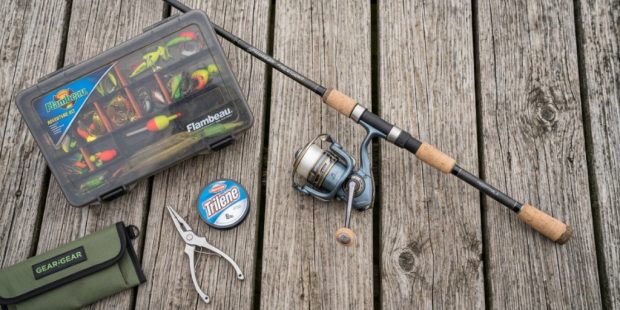
Standing in the tackle aisle staring at hundreds of rods and reels is overwhelming. You want to start fishing, but you have no idea which setup actually makes sense for your skill level. The truth is, buying the wrong gear can turn a fun hobby into a frustrating mess of tangles, breakages, and lost fish. Choosing the right spinning rod and reel combo for beginners comes down to matching your gear to the types of water and fish you will realistically chase, not the most expensive option on the rack. This guide breaks down exactly what to look for, what to avoid, and how to build confidence before you ever cast a line.
Key Takeaways
- A medium-power, fast-action spinning rod between 6 and 7 feet long is the most versatile starting point for freshwater beginners.
- The reel size matters more than the brand; a 2500-size reel balances perfectly with a medium-power rod for most beginner scenarios.
- Buying a pre-matched combo is smarter than piecing together separate components because the balance and setup are already optimized.
- Focus on braided line in the 10–20 pound test range with a monofilament leader for easier casting and fewer tangles.
- Avoid ultra-cheap packages below $50 because poor-quality guides and drag systems cause more problems than they solve.
Why Start with Spinning Gear at All?
Spinning reels hang below the rod, which creates a natural casting motion that is forgiving for people who have never thrown a line before. Unlike baitcasting reels that are prone to backlash tangles, spinning reels simply release line off the spool when you open the bail and swing the rod. This design allows you to cast lightweight lures and bobbers with far less practice frustration.
If you are researching a spinning rod and reel combo for beginners, you are already heading in the right direction. The learning curve is short, and the gear remains useful even as you advance into more specialized fishing styles later. Spinning setups honestly handle the majority of freshwater species including bass, trout, panfish, and walleye, which means one quality setup eliminates the need to buy multiple specialized rods right away.
Understanding Rod Power and Action
Two terms dominate every rod description, and confusing them is the root of most purchasing errors.
Power
Power describes how much force is required to bend the rod. It is rated from ultralight to extra-heavy. Beginners should focus on medium or medium-light power. A medium-power rod bends slightly under pressure, giving you enough backbone to fight a larger fish while protecting light line from snapping.
Action
Action refers to where the rod bends along its length. A fast-action rod bends mostly near the tip, which gives excellent sensitivity for feeling bites and quickly setting the hook. It also makes casting lighter lures easier. Slow-action rods bend deep into the handle, which is fun for fighting fish but makes hooksets less precise for beginners.
| Rod Characteristic | Beginner Recommendation | Why It Works |
|---|---|---|
| Power | Medium (or Medium-Light for small fish) | Versatile across multiple species |
| Action | Fast | Better bite detection and hooksets |
| Length | 6 to 7 feet | Balances casting distance with accuracy |
The combination of medium power and fast action gives you a rod that throws a variety of lure weights, typically from 1/8 ounce up to 3/8 ounce, which covers inline spinners, small crankbaits, soft plastics, and live bait rigs.
Reel Sizes Explained
Reels are numbered oddly, but the scale is consistent across major manufacturers. A lower number means a smaller reel with less line capacity. For beginner freshwater fishing, the 2500-size reel is the sweet spot. It is large enough to hold sufficient line for bass fishing yet small enough to feel balanced on a medium-power spinning rod.
Here is a quick break down of common sizes you will encounter:
- 1000–1500 Size: Meant for ultralight fishing targeting panfish and small trout with very light line.
- 2500–3000 Size: The all-purpose range for bass, walleye, pike, and catfish in freshwater.
- 4000–5000 Size: Larger reels designed for heavier saltwater or big-game freshwater species where line capacity matters more than finesse.
A 2500-size reel paired with a 6-foot-6-inch medium-power rod does not strain your wrist after an afternoon of casting. That physical comfort is what keeps beginners fishing longer rather than quitting after a short session because the gear felt awkward,
To find the right setup for your skill level, be sure to read our guide on choosing a Fishing Reel Based on Your Experience Level.
What Type of Line Should You Spool With?
Many beginners accept the line they get on a pre-spooled combo, which is often cheap monofilament that has memory and coils off the spool, leading to wind knots. You should replace this with quality line before you fish.
Monofilament Line
Monofilament is cheap, forgiving, and stretches a bit, which can help when fighting a fish that makes sudden runs. However, it does not cast as far as other lines and breaks down under UV exposure over time. It is a decent starting point for a 10-foot leader attached to your main line.
Braid vs. Fluorocarbon
Braided line, in the 10–20 pound test range, is thin for its strength and has almost no stretch, which gives you an excellent feel of the bottom structure and a crisp hookset. Braid casts beautifully on spinning reels because it flows off the spool with minimal friction. Fluorocarbon sinks fast and is nearly invisible underwater, but it has less stretch than mono and is stiffer, which can lead to wind knots at light weights for novices.
A practical setup for a beginner during the learning phase is 15-pound braid tied to a short 3-foot monofilament leader. The braid gives you casting distance and sensitivity while the mono leader provides some stretch to prevent the hook pulling out of soft-mouthed fish.
Less Gear, More Experience
Fishing with one versatile combo while you learn is arguably a better approach than buying multiple rod-lengths for every scenario. Stick to one rod until you know the water you fish, the species available, and your personal casting preferences. Once those factors are proven, then the second rod purchase makes sense.
Take these factors into account before you buy:
- Water type: A small creek calls for a shorter rod; a large river or lake asks for a longer one.
- Lure weight: Match your rod with your lure box; casting a heavy spoon on an ultralight-rated rod damages it.
- Fishing style: Bank fishing allows for longer rods; kayak fishing demands shorter, easier-to-handle sticks.
Beginners frequently misjudge how much leverage they want. A short 5-foot rod feels easy to manage but does not provide the leverage a 7-foot rod does when you have to make a long cast. Your skill grows quickly, so choosing a middle-ground option at 6 feet 6 inches serves you well over the first couple of seasons.
Balanced Action for Lure Weights
Every spinning rod lists a recommended lure rating, usually printed on the blank above the handle. If that chart says 1/8 to 3/8 ounces, that number range matters. Casting something heavier strains the rod and causes loose guide alignment; casting something lighter does not flex the rod enough to load it and generate distance.
Beginners often choose lures first and then try to make gear work around those lures. Reverse that order. Pick a combo rated for the lures you plan to throw, and the entire experience improves. A common mistake is wanting to frog fish for bass, then buying an ultralight rod that cannot handle the heavy lure.
Budget Guidelines that Make Sense
You do not need to spend hundreds of dollars as a beginner, but going too cheap causes more headaches than savings.
- Below $50: These combos often feature poor-quality guides that break easily, weak drags that slip under pressure, and rods that lose their stiffness quickly. Avoid these unless you need a spare to lend a child.
- $70–$120: This is the entrance to decent gear. You receive better cork handles, corrosion-resistant guides, and reels with multiple ball bearings that operate smoothly.
- $150–$250: At this level, you gain lightweight materials, precision drag systems, and brands you might recognize from top tournaments.
The $70–$120 sweet spot is where beginners get the most value because components last long enough to sell later to a friend who wants to start, or to serve as your backup rod once you buy a specialized setup.
Common Beginner Mistakes to Avoid
Avoid these typical pitfalls to save time, money, and frustration:
- Buying too-light tackle: An ultralight combo feels fun for bluegills but cannot handle a surprise bass.
- Ignoring the balance point: When placed on your finger in front of the reel, a balanced rod does not tip heavily to the tip end or to the handle. Imbalanced gear causes arm fatigue in minutes.
- Skipping maintenance: Rinsing your reel after trips, especially near sandy or muddy water, extends its life dramatically.
- Using heavy fluoro for casts: Stiff lines cause wind knots; lighter diameter braid is more forgiving.
Frequently Asked Questions
Do spinning reels work well for saltwater fishing?
Yes, but perform a freshwater rinse after every saltwater trip. The salt prematurely corrodes the bearings and drag components if left dirty, so choose a reel with a sealed drag system if you plan regular saltwater trips.
How much line should I put on the spool?
Fill the spool to approximately one-eighth of an inch below the lip. Overfilling leads to wind knots as the line loops loop off unevenly. Under-filling reduces cast distance because line flows across a larger surface area to leave the spool correctly.
A rod rated for 1/8–3/8-ounce lures; can I fish with a heavier lure?
You can temporarily, but consistent overloading breaks the rod blank. The rod should bend progressively; when it bends too close to the handle under a heavy load, you are past safe limits and risk permanent damage.
Should I buy a two-piece or one-piece rod for my first combo?
Two-piece rods are easier to transport in a car or on a bike, making them a smart beginner choice. The ferrule joint creates a slightly different flex point but does not noticeably affect casting performance.
How soon should I re-spool my line?
Replace fishing line when it shows abrasion or fades in color. For an average beginner fishing heavy on weekends over a season, plan to change line about twice per year. That frequency varies by exposure: sunny environments degrade the line faster than shaded shorelines.
Conclusion
Choosing gear does not require a plumbing degree. Pick a 6.5-foot medium-power rod with fast action, match it with a 2500-size reel, and spool it with 15-pound braid and a monofilament leader. That setup delivers unmatched versatility for discovering what kind of fishing you actually enjoy. Start within a reasonable budget of $70 to $120, invest in quality components in that range, and test your skills before diversifying your tackle box. The single most important factor is simply getting out to the water and logging time casting. The right spinning setup is the one that translates your learning into confidence on the water.
