
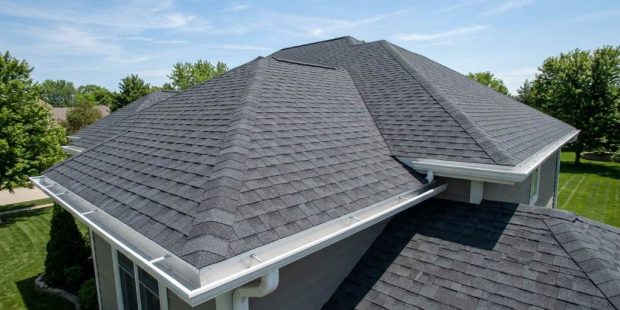
Rain collects on roofs in Mobile, AL mainly because drainage cannot move water away quickly enough. Heavy storms, clogged gutters, low roof slopes, damaged membranes, and roof depressions can all trap water. In fact, Mobile recorded nearly 18 inches of rain in May 2026 alone. Therefore, homeowners need effective roof ponding mitigation methods when water repeatedly remains after storms.
Key Takeaways
- Heavy Mobile rainfall can overwhelm roof drainage systems within minutes.
- Clogged gutters and downspouts commonly prevent water from leaving the roof.
- Low-slope roofs need carefully designed drainage to prevent standing water.
- Roof depressions can develop when decking, insulation, or structural components sag.
- Persistent ponding increases membrane damage, leaks, algae growth, and structural concerns.
- Professional inspections can identify drainage defects before they become expensive repairs.
Mobile’s Rainfall Makes Roof Drainage Critical
Mobile receives substantial rainfall throughout the year, so roofs regularly face demanding drainage conditions. However, rainfall alone does not explain why water remains on a roof.
During intense storms, water can reach the roof faster than drains, gutters, and downspouts can discharge it. Consequently, even a properly maintained roof may temporarily hold shallow water during exceptional rainfall.
Mobile’s weather can also produce sudden rainfall bursts that concentrate large volumes across limited roof areas. The National Weather Service recorded nearly 4.5 inches during one June 2026 day.
Therefore, roof drainage needs enough capacity for both ordinary rainfall and short periods of intense precipitation. Otherwise, water can accumulate around drains, valleys, curbs, and roof penetrations.
Roof geometry also matters because water naturally follows the lowest available path. When that path becomes blocked or poorly designed, water searches for another route.
In practical terms, homeowners should watch what happens after heavy rain. Water that disappears quickly usually indicates functioning drainage, while recurring puddles deserve closer inspection.
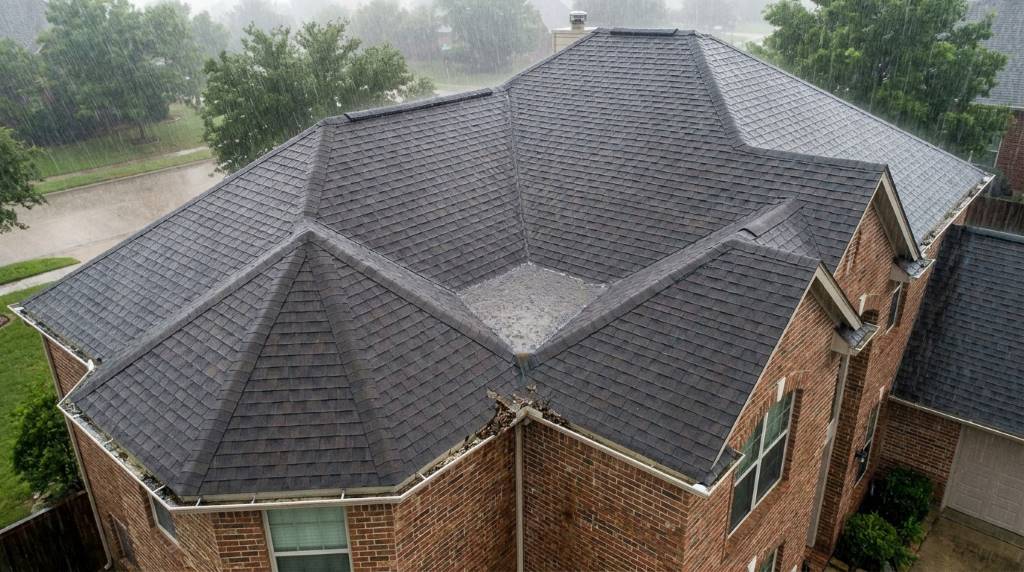
Why Heavy Rain Creates Temporary Ponding
Temporary ponding can occur when rainfall exceeds the immediate capacity of a roof drainage system. This situation does not automatically mean the roof needs replacement.
Nevertheless, repeated ponding deserves attention because frequent saturation can expose weaknesses that occasional storms might never reveal. Therefore, track where water collects and how long it remains.
A roof that dries within a reasonable period may simply experience storm-related drainage pressure. Conversely, water that remains for extended periods may indicate a persistent drainage defect.
Roof Design and Drainage Problems That Trap Water
Roof design strongly influences how quickly rain leaves the surface. Even small changes in slope can determine whether water reaches a drain or remains trapped.
Low-slope roofs especially depend on planned drainage rather than simple gravity-driven runoff. Consequently, drains, scuppers, gutters, and tapered surfaces must work together.
Homeowners can also benefit from understanding roof repair company services when drainage problems involve several roof components.
Low Roof Slope
A shallow slope slows runoff and gives water more time to collect around minor surface irregularities. As a result, low-slope roofs require particularly careful drainage planning.
Small imperfections can become meaningful problems when water repeatedly settles in the same location. Over time, repeated moisture exposure can weaken roofing materials and underlying components.
Clogged Gutters and Downspouts
Leaves, pine needles, sediment, and roof debris can block gutters and restrict normal water flow. Consequently, rain may back up beneath roof edges or spread across low areas.
Downspouts can also clog near their outlets, especially when debris travels through damaged gutter screens. Therefore, inspect both the gutter channel and the complete downspout path.
Blocked Roof Drains
Flat and low-slope commercial roofs often rely on internal drains to move water away. When debris blocks those drains, water can accumulate across a large surface.
Drain strainers also need regular attention because leaves and sediment can reduce their effective opening. Therefore, cleaning the visible area around each drain can prevent avoidable ponding.
Insufficient Drainage Capacity
Some roofs simply lack adequate drainage capacity for the rainfall they receive. This problem becomes especially important during intense Gulf Coast storms.
Adding another drain may help, but the entire drainage design requires evaluation first. Otherwise, a new outlet might not solve the underlying slope or flow problem.
Roof Damage Can Create New Low Spots
Roof ponding does not always begin with poor original design. Sometimes, the roof itself changes after years of moisture, heat, storms, and repeated maintenance.
Damaged decking can sag and create a shallow depression that collects water. Similarly, compressed insulation can change the finished roof slope and disrupt normal drainage.
These changes often create a feedback loop because standing water adds weight and keeps materials wet. Consequently, a small depression can gradually become a recurring ponding zone.
Homeowners should therefore consider flat roof replacement considerations when widespread drainage problems accompany aging materials.
Roof Deck Deflection
Roof decking supports the roofing assembly and can develop localized deflection under certain conditions. When that happens, the affected area may hold water after every significant storm.
Structural concerns require more attention when ponding appears alongside visible sagging, cracking, or unusual movement. Therefore, avoid treating persistent ponding as a simple gutter problem.
Compressed Insulation
Insulation can lose thickness or compress under certain loads and environmental conditions. That change can create unintended valleys where water naturally settles.
Roofing professionals can identify these changes through surface observations and targeted inspection. Consequently, the solution may involve correcting the underlying assembly rather than adding surface sealant.
Aging Roofing Materials
Aging membranes can lose flexibility, develop cracks, or separate around vulnerable areas. Meanwhile, repeated ponding keeps those damaged areas exposed to moisture for longer periods.
Therefore, an older roof with recurring ponding deserves a broader condition assessment. Repairing one visible leak may not address the drainage problem causing repeated exposure.
How Gutters, Valleys, and Flashing Influence Ponding
Roof drainage depends on more than the main roof surface. Valleys, flashing, gutters, penetrations, and edge details all influence how water travels.
Valleys concentrate runoff from multiple roof planes into smaller areas. Consequently, debris accumulation in these locations can quickly restrict water movement.
Flashing also directs water around chimneys, walls, vents, and other penetrations. When flashing fails, water may collect near vulnerable joints instead of following its intended path.
Before applying sealant, professionals should evaluate the surrounding roof condition and drainage pattern. A useful guide explains what roofers check before sealant and why preparation matters.
Gutter Pitch Problems
Gutters need enough pitch to move water toward their downspouts. However, loose hangers or physical damage can change that pitch over time.
When a gutter develops a low section, water can remain trapped instead of reaching the outlet. Therefore, inspect gutter alignment whenever ponding appears near the roof edge.
Valley Debris
Roof valleys naturally collect leaves and small debris because runoff concentrates along these channels. During heavy rain, that material can slow or redirect water flow.
Regular valley cleaning helps maintain drainage, especially during seasons with frequent storms. However, avoid walking directly across fragile roofing materials during inspection.
Flashing and Edge Conditions
Damaged flashing can create unusual water paths and allow moisture to reach roof assemblies. Likewise, deteriorated edge details can interfere with proper runoff.
Therefore, recurring ponding near walls, vents, or roof edges deserves targeted inspection. Fixing the visible symptom without correcting the water path may produce only temporary results.
What Standing Water Can Do to a Mobile Roof
Standing water adds unnecessary stress to roofing materials and can accelerate deterioration. Over time, moisture can exploit seams, cracks, fastener points, and damaged flashing.
Water also adds weight to the roof assembly, particularly when large puddles remain after major storms. Although a shallow puddle may seem harmless, repeated accumulation can create cumulative problems.
Furthermore, persistent moisture encourages algae and organic growth on suitable roofing surfaces. Those organisms can retain additional moisture and make roof maintenance more difficult.
Leak Development
Water can enter through damaged membranes, failed flashing, open seams, and deteriorated penetrations. Consequently, ponding often increases the likelihood of leaks around existing weaknesses.
Interior stains may appear beneath the affected area, but the source can sit farther across the roof. Therefore, never assume the ceiling stain directly identifies the roof entry point.
Material Deterioration
Repeated moisture exposure can shorten the useful life of vulnerable roofing materials. It can also increase maintenance demands when small defects remain untreated.
Accordingly, early drainage correction often makes more financial sense than repeated emergency repairs. A dry roof generally creates fewer opportunities for moisture-related deterioration.
Structural Concerns
Large amounts of standing water increase the roof’s imposed load. If the structure already has weaknesses, additional water weight can increase the concern.
Therefore, significant or persistent ponding should receive professional attention when the roof shows visible deflection. Structural questions require evaluation beyond routine surface maintenance.
How to Find the Real Cause of Roof Ponding
Start by observing the roof immediately after a meaningful rainfall event. Note where water collects, its approximate depth, and how long it remains.
Next, inspect accessible gutters and downspout outlets for obvious blockages. Then, check whether water reaches the intended discharge points during rainfall.
Look for recurring stains, cracked sealants, damaged flashing, loose components, and visible membrane deterioration. These clues can reveal whether ponding accompanies broader roof problems.
However, avoid diagnosing slope or structural issues from ground-level observations alone. Professional inspection becomes important when ponding repeats despite basic cleaning.
A Practical Ponding Inspection Checklist
- Check gutters for leaves, sediment, and standing water.
- Inspect downspouts for visible blockages and poor discharge.
- Observe roof drains after heavy rainfall.
- Look for recurring puddles in the same locations.
- Check visible flashing for cracks, gaps, or displacement.
- Inspect accessible roof surfaces for sagging or unusual depressions.
- Document changes with dated photographs after major storms.
Practical Ways to Prevent Roof Water From Collecting
Prevention starts with keeping every drainage component clear and functional. Regular maintenance can reduce avoidable ponding before it becomes a major repair issue.
Clean gutters and downspouts regularly, especially after periods of heavy vegetation growth. Also, remove debris from accessible valleys and roof drainage points.
Next, monitor recurring ponding instead of ignoring it after each storm. A repeated pattern usually points toward a condition that requires correction.
Professionals may recommend drainage improvements, tapered insulation, drain modifications, membrane repairs, or localized structural work. The appropriate solution depends on the roof’s actual cause.
When Cleaning Solves the Problem
Cleaning can resolve ponding when debris blocks otherwise functional gutters, drains, or valleys. Afterward, confirm that water flows normally during the next rainfall.
However, cleaning cannot correct structural depressions or insufficient roof slope. Therefore, persistent ponding after cleaning indicates the need for deeper evaluation.
When Drainage Improvements Make Sense
Drainage modifications can help when the roof lacks effective pathways for moving water. Possible improvements include additional drains, scuppers, or redesigned drainage routes.
Nevertheless, drainage changes should follow a professional assessment of roof geometry and discharge capacity. Poorly planned modifications can simply move the water problem elsewhere.
When Roof Replacement Becomes Reasonable
Replacement may make sense when aging materials combine with widespread ponding and repeated repair needs. In that situation, replacing the entire system can address several problems together.
However, replacement should not become the automatic answer to every puddle. A sound roof may need targeted drainage improvements instead.
When Should Mobile Homeowners Call a Roofing Professional?
Call a roofing professional when water repeatedly remains after storms or appears near interior ceiling areas. Prompt inspection can prevent minor drainage defects from becoming larger failures.
Also seek professional help when you notice sagging, widespread membrane damage, recurring leaks, or extensive ponding. These conditions may involve components that homeowners cannot safely evaluate.
Professionals can inspect roof slope, drainage pathways, flashing, membranes, penetrations, and visible structural conditions. They can then separate a simple maintenance issue from a larger roofing concern.
Most importantly, avoid walking on wet roofs or climbing onto steep surfaces during storms. Use ground-level observations whenever possible and leave risky inspections to trained professionals.
Final Answer: Why Does Rain Collect on Roofs in Mobile, AL?
Rain collects on roofs in Mobile, AL when water arrives faster than the roof can drain it. Clogged drainage, low slopes, roof depressions, damaged materials, and poor drainage design commonly create persistent ponding.
Mobile’s intense rainfall makes efficient roof drainage especially important. For example, the area experienced several inches of rain during individual days in recent years.
Therefore, occasional shallow water after an extreme storm may not indicate a serious defect. Persistent water, however, deserves investigation because it can expose existing weaknesses and accelerate deterioration.
Start with gutters, downspouts, drains, valleys, and visible roof conditions. If ponding continues, arrange a professional inspection before repeated moisture creates more expensive damage.
Frequently Asked Questions
Is roof ponding normal after heavy rain in Mobile?
Brief ponding can occur during intense storms, but recurring or prolonged standing water requires investigation.
Can clogged gutters cause rain to collect on a roof?
Yes, clogged gutters can restrict runoff and cause water to back up across roof edges.
Does a flat roof always collect water?
No, properly designed flat roofs use drains, scuppers, or planned slopes to move water away.
How long can standing water remain on a roof?
The acceptable duration depends on the roof system, but repeated prolonged ponding signals a drainage concern.
Should I replace my roof because it holds water?
Not necessarily, because cleaning, drainage corrections, or localized repairs may solve the underlying problem.
