
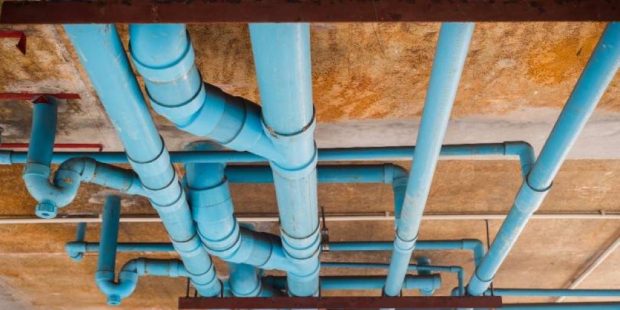
Many homeowners in Houston often hear unusual sounds coming from their plumbing systems, and these noises can feel confusing or even alarming. Studies show that nearly 30% of residential plumbing issues begin with audible warning signs before becoming major problems. Therefore, paying attention early can save both time and money. One of the most common concerns is recognizing air in water pipes symptoms, which often explains banging or sputtering sounds. Additionally, Houston’s humid climate and shifting soil make plumbing systems more vulnerable than in many other regions. This guide explains why these noises happen and how homeowners can fix or prevent them effectively.
Understanding Common Plumbing Noises in Houston Homes
Plumbing systems are designed to run quietly, so any unusual sound usually signals a problem that needs attention. Homeowners often notice banging, whistling, gurgling, or rattling noises, each pointing to a different issue. For example, banging sounds usually come from water pressure problems, while gurgling often suggests drainage issues. Because Houston homes deal with high humidity and clay-rich soil, pipes expand and shift more than usual. As a result, these environmental factors increase the likelihood of noise-related plumbing issues. Understanding the type of sound is the first step toward diagnosing the problem correctly.
Banging or Hammering Sounds
Banging noises, often called water hammer, happen when water flow suddenly stops or changes direction. This creates pressure waves that hit pipe walls, producing loud knocking sounds. In Houston, older homes with outdated plumbing systems are especially prone to this issue. Additionally, loose pipes can worsen the noise because they move more freely when pressure changes occur. Installing water hammer arrestors or securing pipes can often solve this problem. Ignoring these sounds, however, can lead to pipe damage over time.
Whistling or Screeching Pipes
Whistling sounds usually point to restricted water flow somewhere in the system. This restriction may come from mineral buildup, worn-out valves, or partially closed fixtures. Houston’s water supply often contains minerals that can accumulate inside pipes over time. Consequently, this buildup narrows pipe openings and creates high-pitched sounds when water passes through. Replacing faulty valves or cleaning pipes can help eliminate the noise. Regular maintenance also prevents this issue from returning.
Gurgling Drain Sounds
Gurgling noises typically come from drains or toilets and often signal venting problems. Plumbing systems rely on air vents to maintain proper pressure and allow smooth drainage. When these vents become blocked, air gets trapped and creates bubbling sounds. In Houston, debris buildup and heavy rain can block vent pipes more frequently. Therefore, clearing these vents restores normal airflow and eliminates the gurgling noise. Professional inspection may be necessary if the blockage is deep within the system.
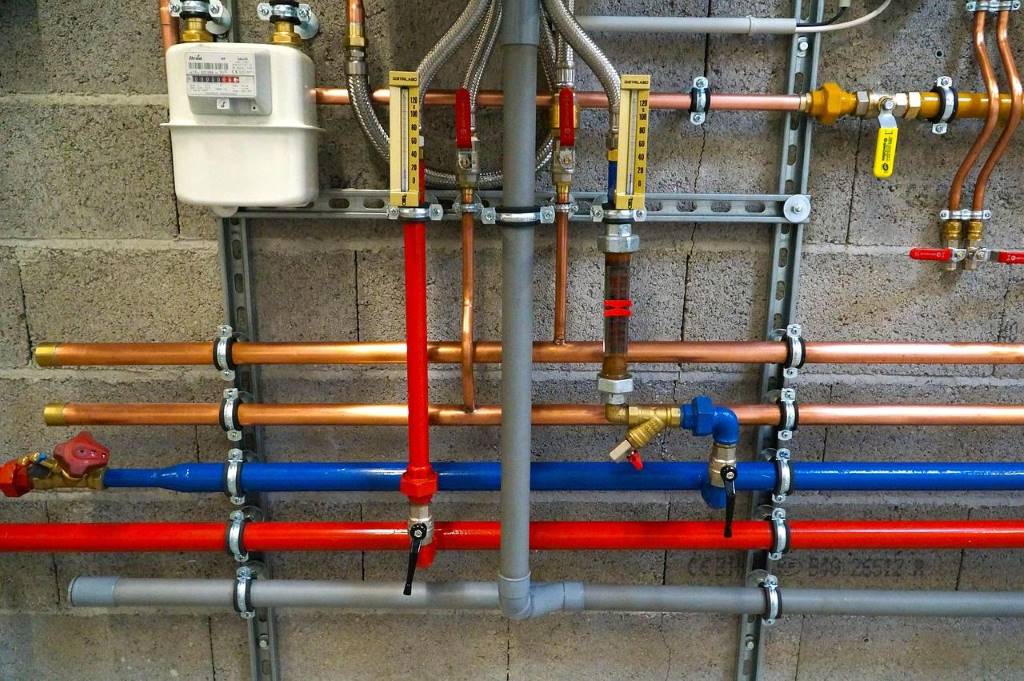
The Impact of Houston’s Climate on Plumbing Systems
Houston’s unique climate plays a major role in plumbing issues, especially when it comes to strange noises. The city experiences high humidity, heavy rainfall, and extreme heat throughout the year. These conditions cause pipes to expand and contract more than usual, leading to stress on joints and fittings. Over time, this stress can create gaps, leaks, or misalignments that produce noise. Additionally, Houston’s clay soil expands when wet and shrinks when dry, shifting underground pipes. As a result, homeowners often hear unusual sounds during seasonal changes.
Soil Movement and Pipe Shifting
Houston’s expansive clay soil can move significantly depending on moisture levels. During rainy seasons, the soil swells and puts pressure on buried pipes. Conversely, dry periods cause the soil to shrink, leaving pipes unsupported. This constant movement leads to pipe misalignment, which can create rattling or knocking sounds. Homeowners may also notice reduced water pressure alongside these noises. Addressing soil-related issues often requires professional evaluation and sometimes pipe rerouting. Preventive landscaping and drainage solutions can also reduce soil movement impact.
High Humidity Effects
Humidity in Houston remains high for most of the year, which affects plumbing systems in several ways. Moisture buildup can accelerate corrosion in metal pipes, weakening their structure over time. As pipes degrade, they become more prone to leaks and noise. Additionally, condensation on pipes can create dripping sounds that mimic leaks. Proper insulation helps reduce condensation and protects pipes from humidity damage. Regular inspections ensure early detection of corrosion-related issues.
Air in Pipes: A Leading Cause of Noise
Air trapped in plumbing lines is one of the most common reasons for strange noises. When air pockets form, they disrupt the smooth flow of water and create vibrations. These vibrations often produce sputtering, banging, or vibrating sounds. Homeowners may also notice inconsistent water flow or sudden bursts of air from faucets. In Houston, frequent plumbing repairs or water supply interruptions can introduce air into the system. Bleeding the pipes usually resolves the issue quickly and restores normal flow.
Signs of Air in Plumbing Lines
Recognizing the signs of air in pipes helps homeowners act before problems worsen. Common indicators include sputtering faucets, irregular water pressure, and loud vibrations. Additionally, water may appear cloudy due to trapped air bubbles. These symptoms often appear after maintenance work or water line disruptions. Fortunately, releasing trapped air through faucets can solve the issue in many cases. However, persistent problems may require professional inspection.
How to Fix Air-Related Noise
Fixing air in pipes is usually straightforward and does not require major repairs. Homeowners can start by turning off the main water supply and opening all faucets. Then, they should turn the water back on slowly to flush out trapped air. This process allows air pockets to escape and restores steady water flow. In some cases, installing air chambers or pressure regulators may help prevent future issues. Regular system checks also ensure that air does not accumulate again.
Loose Pipes and Poor Installation
Loose or improperly installed pipes often create rattling or vibrating noises. When water flows through pipes, it creates movement and pressure changes. If pipes are not secured properly, they can shift and hit surrounding structures. This movement produces knocking or clanking sounds, especially when water pressure changes suddenly. In Houston homes, older construction may lack modern pipe support systems. Therefore, upgrading pipe brackets and supports can significantly reduce noise.
Identifying Loose Pipe Problems
Homeowners can often identify loose pipes by listening carefully during water use. Noises usually occur when turning faucets on or off or when appliances run. Additionally, vibrations may be felt through walls or floors near plumbing lines. Inspecting exposed pipes in basements or utility areas can confirm the issue. Tightening brackets or adding cushioning materials often resolves the problem. However, hidden pipes may require professional inspection.
Preventing Installation Issues
Proper installation is key to preventing long-term plumbing noise. Using high-quality materials and securing pipes at regular intervals ensures stability. Additionally, flexible connectors can absorb movement and reduce stress on joints. Houston homeowners should work with licensed plumbers familiar with local conditions. This ensures that installations account for soil movement and climate factors. Preventive measures during installation can save significant repair costs later.
Water Pressure Problems and Noise
Water pressure that is too high or too low can cause noticeable noise in plumbing systems. High pressure creates stress on pipes and leads to banging or humming sounds. On the other hand, low pressure may cause gurgling or inconsistent flow noises. Houston homes often experience pressure fluctuations due to municipal supply changes. Installing a pressure regulator helps maintain stable levels and reduces noise. Regular monitoring ensures that pressure remains within safe limits.
Effects of High Water Pressure
High water pressure can damage pipes and fixtures over time. It increases the force of water flow, which amplifies noise and vibration. Additionally, it can lead to leaks or even pipe bursts if left unchecked. Homeowners may notice louder-than-usual sounds when using appliances or faucets. Installing a pressure-reducing valve can effectively control this issue. Routine checks help maintain optimal pressure levels.
Managing Low Water Pressure
Low water pressure also contributes to unusual plumbing sounds. It often results from blockages, leaks, or supply issues. In Houston, aging infrastructure can sometimes reduce water pressure in certain areas. Cleaning pipes and fixing leaks usually restores proper flow. In some cases, installing a booster pump may be necessary. Addressing low pressure early prevents further complications.
Aging Plumbing Systems in Houston Homes
Older homes in Houston often have aging plumbing systems that contribute to noise issues. Over time, pipes corrode, joints weaken, and materials degrade. These changes make the system more prone to leaks and vibrations. Additionally, outdated materials like galvanized steel can restrict water flow. Replacing old pipes with modern materials improves performance and reduces noise. Regular inspections help identify aging components before they fail.
Common Issues in Older Homes
Older plumbing systems often face multiple challenges at once. Corrosion, mineral buildup, and outdated designs all contribute to noise. Homeowners may hear persistent rattling or humming sounds throughout the system. Additionally, water quality may decline due to pipe deterioration. Upgrading to newer materials like PEX or copper can resolve these issues. Professional assessment ensures the right solutions for each home.
Benefits of System Upgrades
Upgrading plumbing systems offers long-term benefits beyond noise reduction. Modern materials resist corrosion and handle pressure changes better. Additionally, improved designs enhance water efficiency and reliability. Houston homeowners can also increase property value through system upgrades. Investing in new plumbing reduces maintenance costs over time. Therefore, upgrades provide both immediate and future advantages.
Related:
How to Find the Best Budget Cooling Pillows Without Compromising Comfort
Biggest colour errors in the bedroom (and how to solve them)
Practical Tips to Reduce Plumbing Noise
Homeowners can take several practical steps to reduce plumbing noise effectively. First, they should secure loose pipes using brackets or cushioning materials. Next, checking water pressure ensures it stays within safe limits. Additionally, insulating pipes reduces vibration and prevents condensation. Regular maintenance, such as cleaning pipes and checking for leaks, keeps the system in good condition. Finally, consulting a professional plumber helps address complex issues.
Quick Fix Checklist
- Tighten all visible pipe supports
- Install water hammer arrestors
- Check and adjust water pressure
- Flush pipes to remove air
- Clean or replace faulty valves
Long-Term Maintenance Strategies
Regular maintenance prevents most plumbing noise issues before they start. Scheduling annual inspections helps detect problems early. Additionally, upgrading outdated components improves system reliability. Houston homeowners should also monitor soil and drainage conditions around their property. Preventing water accumulation reduces soil movement impact. Consistent care ensures a quiet and efficient plumbing system.
Conclusion
Strange plumbing noises are more than just an annoyance for Houston homeowners; they often signal underlying issues that need attention. From air trapped in pipes to soil movement and pressure problems, several factors contribute to these sounds. Understanding the causes allows homeowners to take proactive steps and prevent costly repairs. Additionally, regular maintenance and timely upgrades ensure long-term system performance. Ignoring these noises can lead to bigger problems, including leaks or structural damage. If unusual sounds persist, contacting a professional plumber is the smartest next step to protect your home.
FAQs
What causes banging noises in pipes?
Banging usually happens due to water hammer, which occurs when water flow stops suddenly.
How do I know if there is air in my pipes?
You may notice sputtering faucets, irregular flow, or cloudy water.
Can high water pressure damage pipes?
Yes, high pressure increases stress and can lead to leaks or bursts.
Why do my pipes make noise at night?
Temperature changes and reduced usage can make noises more noticeable.
Should I call a plumber for noisy pipes?
Yes, especially if the noise is frequent or getting worse over time.
