
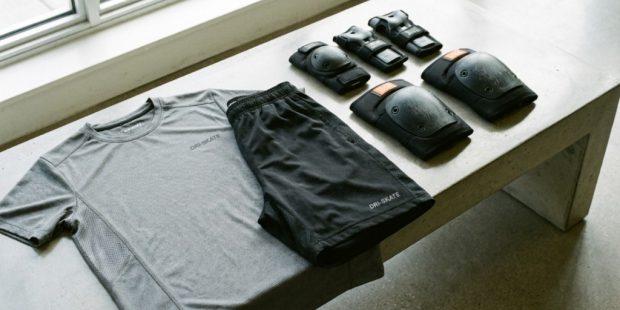
Skating in scorching heat hits different. The pavement radiates warmth, the air feels thick, and within twenty minutes, your board feels slick underfoot while your helmet turns into a mini sauna. Yet, for those of us who live in year-round summer climates, skating isn’t a seasonal hobby—it’s a lifestyle. The problem is that standard gear often traps heat, causing discomfort, fatigue, and even safety risks. You don’t need to stop skating when the mercury rises; you simply need to adapt your setup. This guide breaks down the best skate gear essentials for hot climates, focusing on breathability, moisture management, and sun protection so you can stay comfortable, safe, and skating longer.
Key Takeaways
- Ventilation is critical; choose helmets with multiple airflow channels and moisture-wicking liners to prevent heat buildup.
- Switch to technical fabrics for apparel; cotton traps sweat, while polyester and merino blends actively cool you down.
- Specialized footwear and socks reduce blisters and overheating, but ventilation starts at the toes.
- Hydration systems integrated into your backpacks or belts ensure you drink enough fluids without breaking your session’s flow.
- Sun protection gear, including UV-blocking sunglasses and lightweight long sleeves, prevents heatstroke and skin damage.
Why Heat Is a Real Hazard for Skateboarders
Skateboarding is an intense, full-body workout. When you combine high-exertion activity with external temperatures above 90°F, your core temperature skyrockets. This is more than just discomfort; it leads to heat exhaustion or heatstroke if ignored. Symptoms like excessive sweating, muscle cramps, dizziness, and nausea are common warning signs. To regulate your core temperature while skating, your gear should help—not hinder—your body’s natural cooling mechanisms. That means selecting items specifically designed for airflow and sweat evaporation. Many skaters overlook how much their clothing and accessories trap heat, making a hot day unbearable. Checking out comprehensive lists of skate gear essentials for hot climates can give you a head start, but understanding the “why” behind each choice is vital.
Revolutionizing Your Headwear: Helmets Built for Airflow
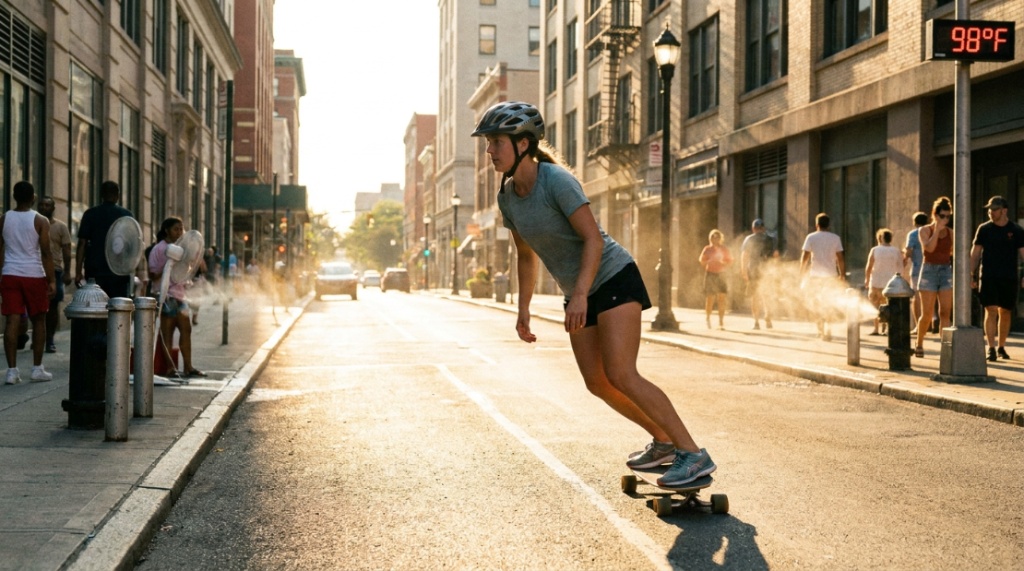
Your head is where heat escapes most rapidly, but wearing a traditional, bulky skate helmet seals that heat in. The most critical gear change for hot weather is upgrading your lid. You should be looking for helmets that prioritize high-velocity airflow rather than just basic padding.
Look for Multi-Directional Ventilation
Do not settle for a helmet with a couple of tiny holes. Modern hot-weather skate helmets feature aggressive ventilation channels that pull cool air in and push hot air out. Brands like Triple 8 and Bern utilize in-mold construction with deep internal grooves that channel breezes across your scalp. This active airflow is the primary defense against overheating during a session.
The Role of Antimicrobial Liner
A standard foam liner becomes a swamp within minutes. For hot climates, look for antibacterial or moisture-wicking liners—often made of bamboo or treated technical textiles. These materials dry much quicker than traditional foam, preventing that slick, uncomfortable feeling while also reducing odor buildup. A liner that dries fast is a non-negotiable component of gear for warm-weather skaters.
Upper Body Strategy: Breathability Over Bare Skin
It seems counterintuitive, but sometimes wearing a skintight long-sleeve shirt is cooler than going shirtless. Why? Because sunscreen wears off with sweat, and direct sun on bare skin accelerates heat gain. Technical jerseys create a barrier that shields you from UV rays while pulling sweat away from your body for rapid evaporation.
Technical Tees vs. Cotton: The Science of Cooling
Cotton is the worst enemy of hot-weather skaters. It absorbs sweat and holds it, suffocating your skin. Instead, choose lightweight, high-performance fabrics like 100% polyester or nylon blends with built-in UPF 50+ ratings. These fabrics wick moisture to the surface where it evaporates quickly. This evaporation process is an endothermic reaction, meaning it actively draws heat away from the skin. This is why brands like Volcom and Vans produce “Screen Tec” or breathable stretch jerseys designed specifically for warm climates.
The Foundation: Socks and Footwear That Breathe
Hot pavement isn’t just on your shoes; heat radiates upward and turns your shoes into insulators. If your feet overheat, your entire body feels fatigued. Focusing on breathable materials down below is crucial to your on-board performance.
Padding and Ventilation in Shoes
When looking for skate shoes in a hot climate, prioritize suede and mesh combinations over thick leather. Leather offers durability but zero airflow. A shoe with mesh ventilation panels (like Nike SB’s “Zoom” line or adidas Busenitz Vulc models) allows hot air to escape and cooler air to enter. Also, consider “vulcanized” construction which naturally sits closer to the board and generally offers thinner, more flexible sidewalls compared to “cupsole” shoes, reducing insulation around your foot arch.
Choosing the Correct Socks
Never wear thick, padded cotton socks in the summer. They absorb moisture, create friction, and cause blisters. For hot climates, select thinner technical socks made of merino wool or a nylon/spandex blend that hug your foot. Look for “ventilation zones” on top of the foot—these are mesh areas that release heat. If you are skating long distances between spots, a low-cut or no-show liner sock helps reduce material bulk while keeping your heel locked in, preventing pressure points and hotspots.
Extending the Session: Hydration and Storage
Frequent stops to grab a drink tank your energy and disrupt your flow. If you are moving from spot to spot, your gear setup needs to include hydration that doesn’t require holding a bottle in your hand. This is where pack design becomes critical.
Backpack Design: Hydration Bladders
A bag flapping on your back creates heat. For a hot climate specifically, military-style bags or heavy canvas backpacks are a massive disadvantage. Instead, look for packs made with breathable back padding (often using a mesh suspension system) that keeps the bag off your spine. More importantly, if you plan to skate for over an hour, invest in a hydration-compatible pack. Many skate backpacks now include a sleeve for a 2-liter water reservoir. This integrates drinking into your movement, encouraging you to take small sips without stopping your session.
Look for backpacks with adjustable chest straps to secure the load tightly so it doesn’t swing while skating, but ensures the mesh fabric sits against your shirt. This airflow design is a hidden feature that prevents your back from getting soaked with sweat.
Minimalist Storage for Ventilation
Carrying heavy tools, extra boards, and bulky sweatshirts (which you won’t need here) forces your body to work harder, generating more heat. In hot climates, less is more. Carry a minimalist setup: a skate tool, bearing lube, a few extra bearings, and a spare sheet of grip tape. Leave the heavy cargo at home. Use the space in your bag for cold water—freeze a bottle the night before to serve as a cooling source for your back and a cold drink later. This dual-purpose trick helps regulate your core temperature dramatically during long hours outdoors.
Shielding Your Eyes and Skin
Glaring sunlight makes it hard to spot cracks in the pavement, causing fatigue and squinting that leads to headaches. Your performance in hot weather heavily depends on shielding yourself from UV rays and glare without obstructing your peripheral vision.
Selecting Skateboarding Sunglasses
Standard fashion sunglasses are prone to shattering and falling off mid-trick. Opt for polarized lenses that snap into sports frames. Wraparound styles are superior as they block sunlight from entering through the sides. Look for lightweight polycarbonate lenses with a rubberized nose bridge. Skateboarding sunglasses must be secure enough that you forget you’re wearing them, allowing you to focus on the asphalt and your next landing, to ensure you choose the right setup before hitting the hot pavement, check out this guide are pre-assembled skateboards good for beginners.
Lightweight Sun Protection: The Overlooked Arm Sleeves
Many skaters avoid sunscreen because it makes their skin slick and causes grip tape to slide off their shoes. An increasingly popular alternative is wearing lightweight “cooling arm sleeves.” These tubes of fabric (usually UPF 50+) cover your arms, blocking the sun while the fabric wicks sweat. When these sleeves get wet, the evaporation process cools your entire upper body. This is a common tactic among professional skaters who tour in California and Arizona summers. They offer the benefit of a jacket without the thermal weight, preserving your skin from burns without the slippery inconvenience of lotion.
Pre-Trip Preparation: Board Care and Heat
While often overlooked as “gear,” your board components are deeply affected by heat. Extreme temperatures can warp your deck and dry out your bearings. If you plan on leaving your board in a hot car, the glue in your bearings can soften, causing them to seize. Adapting your maintenance routine to the heat is part of proper gear upkeep.
- Bearings: Heat thins out bearing lubricant, causing it to run and attract dust. Clean and re-lube your bearings more frequently in summer.
- Grip Tape: Wearing shoes with overly worn soles can cause your feet to slip more when sweat gets on the tape. Ensure your shoe bottoms are grippy.
- Deck Storage: Never leave your skateboard in direct sunlight or inside a hot car trunk. The heat weakens the epoxy binding the plies, making the board prone to snapping.
Frequently Asked Questions
Is it better to skate shirtless in extreme heat?
No. While it feels cooler initially, skipping the shirt exposes your skin to direct heat and UV radiation, leading to quicker dehydration and sunburn. Wearing a lightweight, light-colored, sweat-wicking shirt keeps you cooler by reflecting sunlight and aiding the evaporation process.
How often should I drink water while skating in the heat?
Do not wait until you are thirsty. For regular summer sessions lasting over an hour, aim for about 8 ounces (one large gulp) every 15–20 minutes. If you’re skating heavily and sweating profusely, adding an electrolyte tablet to your water halfway through prevents muscle cramps.
Are dark-colored shoes always worse for hot climates?
Dark colors absorb heat, but construction matters more than color. A dark shoe with honeycomb mesh ventilation is cooler than a white leather shoe with no vents. Prioritize shoe material and breathable mesh panels over color alone.
What temperature is too hot to skate?
Generally, if the air temperature exceeds 95°F and the humidity is high, the heat index becomes dangerous for strenuous activity. However, humidity is the bigger factor; if sweat cannot evaporate (high humidity), your body overheats quickly. If you feel dizzy or your heart is racing excessively, stop immediately.
Can I use an electric fan as part of my skate gear setup?
Yes. Many skaters in hot climates use portable neck fans. These are lightweight, battery-operated devices that hang around your neck and blow air up toward your face and head. They are highly effective between runs or while waiting for a friend to catch up.
Conclusion
Conquering the heat in skateboarding isn’t about endurance; it’s about preparation. By swapping out dense fabrics for technical, breathable materials and prioritizing ventilation in your helmet, shoes, and backpacks, you bring your core temperature down significantly. Remember, having the right gear is as essential as the tricks themselves—it’s the difference between a two-hour session and crashing from heat exhaustion after twenty minutes. Evaluate your current kit, replace the items that lock in heat, and embrace the summer months with confidence. Your body—and your skating—will thank you.
