
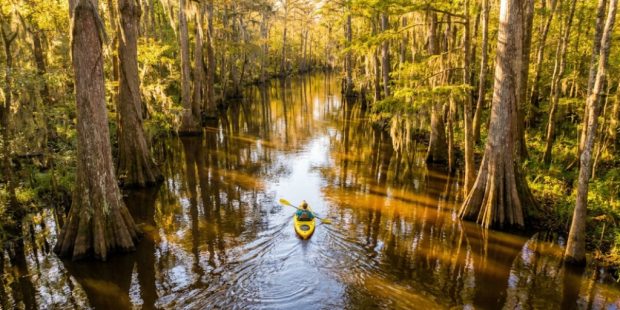
South Carolina is a state of striking contrasts—misty mountain trails in the Upstate, sprawling marshlands along the coast, and fast-moving rivers carving through the Midlands. For anyone who loves being outside, the Palmetto State delivers a level of variety that’s hard to beat. But with so many options spread across a large geographic area, the challenge isn’t finding things to do; it’s figuring out which activities are worth your time and how to prepare for the specific conditions you’ll face.
This guide breaks down the best South Carolina outdoor activities by region, what gear you actually need, and the practical details that turn a good trip into a great one. Whether you’re planning a weekend escape, a family vacation, or a solo adventure, you’ll walk away knowing exactly where to go and what to expect.
Key Takeaways
- The Blue Ridge Escarpment in the Upstate offers the most challenging hiking and waterfall access, while the Lowcountry is better suited for flatwater paddling and wildlife observation.
- Scheduling matters: summer along the coast brings intense heat, biting insects, and afternoon thunderstorms, making early morning the most reliable window for outdoor exertion.
- Tide tables and current forecasts are essential planning tools for kayaking and paddleboarding in Charleston and other coastal areas—ignoring them creates real safety risks.
- The state’s best outdoor experiences require a short drive from the main tourism hubs, so building a flexible itinerary is more rewarding than staying in one base camp.
- Inflatable paddle boards and packable gear extend your options significantly, allowing you to access remote rivers and quiet creeks that hard-shell boats simply can’t reach.
Understanding South Carolina’s Outdoor Regions
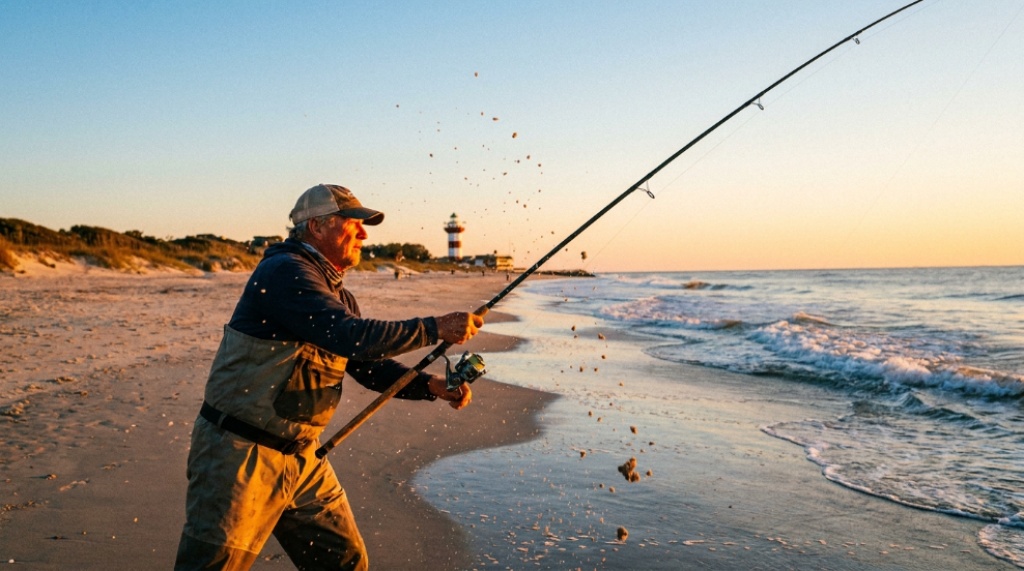
South Carolina’s outdoor character changes completely depending on where you are. Trying to plan activities without understanding the regional split will lead to disappointment—you don’t want to show up in Greenville expecting flatwater marsh paddling, and you certainly don’t want to plan a mountain hike near Charleston.
The state splits naturally into three distinct outdoor zones:
- The Upstate (Blue Ridge Escarpment): Fast-moving rivers, granite outcrops, and hundreds of waterfalls. Best for hiking, mountain biking, and cold-water fishing.
- The Midlands: Rolling hills, broad lakes, and the Congaree River system. Best for paddling, birdwatching, and camping.
- The Lowcountry and Coast: Salt marshes, barrier islands, and blackwater rivers. Best for kayaking, paddleboarding, fishing, and wildlife viewing.
Each zone demands different gear, different timing, and different safety considerations. The following sections give you the practical breakdown of what to do in each area, with attention to the details guides often skip.
How to Choose the Right Activities for Your Experience Level
One of the most common mistakes visitors make is overestimating their ability to handle South Carolina’s unique environmental conditions. The heat, humidity, and terrain here are a different animal than what many travelers are used to.
Here’s a quick way to match activities to your comfort level:
- If you’re a beginner: Focus on guided paddling tours in the Lowcountry, flat-water sections of the Edisto River, or short, well-maintained trails like Jones Gap State Park’s easy loops.
- If you’re an intermediate outdoor enthusiast: Try the Foothills Trail, kayak the Waccamaw River, or tackle the switchbacks on Paris Mountain.
- If you’re an expert: Plan a multi-day paddle down the Santee River, hike the full 77-mile Foothills Trail, or fish the remote backcountry of the Chattooga River.
The takeaway here is straightforward: South Carolina rewards careful route planning, especially if you’re visiting from a cooler or drier climate. Heat exhaustion and dehydration are the most common problems park rangers deal with, and both are entirely preventable with proper planning.
The Best Hiking and Trail Experiences
South Carolina doesn’t get the same attention as its western neighbors when it comes to hiking, but the waterfall density in the Upstate rivals many better-known destinations. The key is knowing where to go and when.
Waterfall Hikes in the Upstate
Table Rock State Park and Caesars Head State Park are the most accessible gateways to the region’s best waterfall hikes. For a moderate day hike, the Table Rock Trail delivers panoramic views of the Piedmont, but it’s a strenuous climb with roughly 2,000 feet of elevation gain over 3.5 miles each way.
If your priority is waterfalls over summit views, head to Rainbow Falls at Jones Gap State Park. The trail is about 2.5 miles out-and-back, but the reward is a 100-foot waterfall that flows best in spring or after heavy rain. Just be honest about your experience level—the rocks near the falls are slick, and the trail has several stream crossings that become dangerous when water levels are high.
Trail Conditions and Timing
Trail conditions change quickly in South Carolina. After a rainstorm, even moderate trails become muddy and slick, particularly those with significant roots and rock steps. Check the state park website for current conditions before you go, and be prepared to turn around if the weather turns. Afternoon thunderstorms are common from May through September, frequently dropping several inches of rain in a short window. Start early and plan to be off exposed ridge lines by early afternoon.
Paddling and Water-Based Adventures
If there’s one outdoor activity that defines South Carolina better than any other, it’s paddling. The state has over 30,000 miles of rivers and streams, plus a deeply indented coastline that creates hundreds of sheltered paddling routes. The variety ranges from blackwater swamp tunnels to open salt marsh flats with active dolphin populations.
Where you paddle determines what you’ll see, how much experience you need, and what equipment you should bring.
Why the Lowcountry Is a Paddler’s Paradise
Charleston, Beaufort, and the surrounding barrier islands offer the most iconic paddling scenery in the state. The salt marshes are vast, flat, and visually striking—golden Spartina grass stretches to the horizon, interrupted only by tidal creeks winding through the landscape.
For beginners and intermediate paddlers, the best routes are protected creeks that follow the tidal flow. You can paddle with the current on the way out, then ride the incoming tide back in. Popular launch points include Shem Creek in Mount Pleasant and the Beaufort waterfront, where guided tours are available if you want local knowledge.
For those comfortable on open water, the barrier islands south of Charleston offer more exposed paddling with better chances to see dolphins, sea turtles, and a wide range of shorebirds. But the exposed sections require attention to wind and tide forecasts—conditions can shift quickly, and the afternoon sea breeze often builds into a stiff headwind that makes the return leg exhausting.
Kayaking vs. Paddleboarding: Which Is Right for You?
Kayaks are stable, gear-friendly, and easier for most people to cover longer distances. Sit-on-top kayaks are especially well-suited to warm weather paddling in the Lowcountry, as they’re self-draining and easy to re-enter from the water.
Stand-up paddleboards offer a different advantage: they give you a higher vantage point, which makes spotting wildlife easier, especially in the shallow creeks and flatwater sections where you can see stingrays, fish, and crabs moving beneath you. They’re also lighter and easier to transport than a kayak, provided you’re using an inflatable board rather than a hard-shell model.
If you’re planning to make paddling a regular part of your South Carolina outdoor routine, an inflatable paddle board makes sense for the simple reason that you can toss it in the trunk of most cars and inflate it at the launch site. That flexibility lets you chase conditions—launching in a calm creek one morning and a lake the next afternoon without needing roof racks or a trailer.
The Edisto River: One of the Best Canoe and Kayak Trips in the South
The Edisto River deserves special mention because it’s the longest completely blackwater river in North America, meaning it’s dark-stained from tannins but clean and clear enough to see the bottom in many sections. The water stays cool year-round because it’s spring-fed, making it a great summer escape.
The river is perfect for gentle, multi-day trips where you paddle for a few hours, camp on sandbars, and let the current do the work. The current is gentle enough that even families with children can manage it, but you need to plan your water level—the river becomes shallow and more technical in low water, with downed trees creating obstacles.
Stand-Up Paddleboarding (SUP) on South Carolina Waters
Stand-up paddleboarding has exploded in popularity across the Southeast, and for good reason: South Carolina’s protected creeks and salt marshes provide ideal conditions. Because the water is generally flat in the creeks and rivers, you don’t need advanced balance skills to enjoy it.
What you do need, though, is a width and stability that matches your skill level. A wider, more buoyant board is significantly easier for beginners to stand on. This is why many paddlers start with an inflatable stand-up paddle board—they’re typically wider and more stable than hard-shell touring boards, which makes learning far less frustrating.
If you’re new to the sport, a good routine is to practice on a calm lake like Lake Hartwell in the Upstate or a protected creek like those at the ACE Basin National Wildlife Refuge in the Lowcountry. Once you’re comfortable staying upright for longer stretches, you can expand into the more exposed marsh waters, where wind and channel traffic add a new level of complexity.
Fishing Opportunities in Fresh and Saltwater
South Carolina offers year-round fishing across all its regions, but the best approach depends entirely on the season and the species you’re targeting.
Freshwater Fishing
Lakes Hartwell, Murray, and Marion are the most prominent freshwater fisheries, offering solid populations of largemouth bass, striped bass, and crappie. The pre-dawn and dusk hours are consistently the most productive, particularly during the hot summer months when fish move to deeper, cooler water during the day.
The mountain rivers of the Upstate hold rainbow and brown trout, but these fisheries require more specialized gear and knowledge. Most trout streams are small, clear, and heavily pressured during peak season, so lighter line and smaller lures are essential.
Saltwater and Inshore Fishing
The Charleston and Hilton Head areas offer world-class inshore fishing for redfish, speckled trout, and flounder. Taking a guided trip is the fastest way to learn the location-specific techniques, especially if you’re not experienced with reading tidal currents in marsh systems.
One important note for visitors: get a fishing license before you go. South Carolina requires licenses for both freshwater and saltwater fishing, with separate permits for each. You can purchase them online through the South Carolina Department of Natural Resources, and they’re inexpensive—but the fines for fishing without one are not.
Mountain Biking, Camping, and Wildlife Watching
Beyond hiking and paddling, South Carolina has solid options for other outdoor pursuits. The key is knowing where the best terrain is located.
Best Mountain Biking Trails
The DuPont State Forest, though technically in North Carolina, lies just across the border and is a favorite of South Carolina riders. Within the state, the trails at Paris Mountain State Park offer technical, rocky terrain with tight climbs that reward experienced riders. For smoother, faster singletrack, the trail system at the Clemson Experimental Forest provides miles of flowing loops.
For beginners, the green and blue trails at several state parks provide safer introductions to the sport.
Camping Across the State
Camping is possible in all regions of South Carolina, but conditions vary significantly. In the mountains, you need to be prepared for cool nights even in the summer—elevations around 3,000 feet drop 10 to 15 degrees at night compared to the valleys.
In the Lowcountry, camping is best done in the cooler months or during the fall. The combination of heat, humidity, and insects is genuinely oppressive from June through August. Many experienced campers skip the coast entirely in the summer and save their marsh camping trips for September through November.
Wildlife Viewing and Birdwatching
The ACE Basin—a contraction of the Ashepoo, Combahee, and Edisto rivers—is the premier wildlife viewing destination in the state. It’s roughly 350,000 acres of protected wetlands that support one of the largest populations of waterfowl and wading birds on the East Coast. Bald eagles, wood storks, and painted buntings are regular sightings, and the area is home to one of the few populations of the endangered swallow-tailed kite in the Southeast.
The best way to access the ACE Basin is by boat. Public boat landings are limited, and the interior waterways are remote, which is precisely why the wildlife is so abundant.
How to Pack for South Carolina’s Climate
Packing mistakes are the easiest way to ruin a trip in South Carolina. The state’s climate is subtropical in the Lowcountry and humid continental in the mountains, and both present distinct challenges.
For any outdoor activity between May and September, prioritize the following:
- Moisture-wicking clothing: Cotton traps sweat, chafes, and dries slowly in the humid air. Lightweight synthetic or merino wool clothing keeps you more comfortable.
- Sun protection: Broad-spectrum sunscreen, a wide-brim hat, and sunglasses are non-negotiables. The sun is intense, especially on water where reflection amplifies UV exposure.
- Insect repellent: Mosquitoes and ticks are active year-round, but they’re at their peak in the warm months. A DEET-based repellent is the most effective option for deep woods or marsh trips.
- Hydration and electrolytes: The heat is deceptive in the Lowcountry—high humidity prevents sweat from evaporating efficiently, leading to dehydration before you feel thirsty. Carry more water than you typically would for a similar activity elsewhere.
During the winter months (December through February), the mountains can freeze, and even the coast sees occasional freezing temperatures. Layering is essential, especially for early morning paddles or hikes where you’ll warm up quickly once you start moving.
Safety Considerations and Common Mistakes
Every regional outdoor destination has its specific hazards, and South Carolina is no exception. The most important safety issues differ by terrain and activity.
Paddling: The most common emergency involves paddlers who underestimate tidal currents in the Lowcountry. The tidal difference along the South Carolina coast can be six feet or more, which means water flows through the creeks with substantial force. If you paddle against an outgoing tide, you’ll make slow progress; if you get caught in an open marsh channel when the tide turns, you may not be able to make any forward progress at all. Always check the tide charts for your launch location, and plan your route with the current.
Hiking: The biggest issue is respiratory and heat illness. The combination of steep terrain, heat, and humidity leads to distress, even among otherwise fit individuals. Rangers consistently tell stories of hikers from cooler climates attempting challenging trails without conditioning and requiring rescue.
Wildlife: It is the rare encounter with a snake or alligator. Both are present in the Lowcountry, and the most important rule is simply to give them space. Snake bites in South Carolina are rare and almost always occur when someone tries to handle or corner a snake. Alligator attacks are even rarer, but never feed or approach them, For a seamless way to explore calm coastal waters and hidden river trails, make sure you pack a light weight travel sup
Frequently Asked Questions
What is the best time of year for outdoor activities in South Carolina?
Spring (March through May) and fall (September through November) are the most comfortable seasons. Spring offers blooming wildflowers and reliable waterfall flows, while fall provides cooler temperatures and fewer insects. Summer works well for early morning paddling or lake activities, but the afternoon heat and thunderstorms are challenging.
Do I need a permit to kayak on South Carolina rivers?
No permit is required for recreational kayaking or canoeing on any public waterway in the state. However, you do need to purchase a fishing license if you plan to fish, and you must wear a personal flotation device (life jacket) on all state waterways—children under 12 must wear them at all times while underway.
Can a beginner hike Table Rock Mountain?
Only in good physical condition. The Table Rock Trail is 7 miles round-trip with about 2,000 feet of elevation gain. It’s rated as strenuous, and most people should allow four to six hours to complete it.
Where can I see alligators in South Carolina?
Alligators are most commonly spotted along the coast and in the coastal plain. Congaree National Park has a resident population, and the ACE Basin wildlife refuge provides frequent sightings. The best viewing times are early morning and late afternoon near slow-moving rivers and marsh edges. Keep at least 30 feet of distance between you and any gator.
What should I wear for paddling in the Lowcountry?
Lightweight, quick-drying clothing that covers your skin is best. A long-sleeve sun shirt provides protection without trapping heat, and board shorts or swim leggings keep you comfortable during wet entry and exits. Use a hat with a brim for sun protection, and secure your sunglasses with a strap—they rarely survive a tip-over without one.
Do I need a wetsuit to paddle in the winter?
Yes, if you’re paddling between December and February. Water temperatures in the Lowcountry can drop into the 50s and 60s, and an unexpected capsize combined with wind can lead to hypothermia quickly. A full 3/2mm wetsuit is appropriate for winter paddling; most paddlers who stick with this activity through the colder months use one all season.
Conclusion
South Carolina offers better outdoor diversity than many people expect. The waterfall trails of the Upstate, the blackwater rivers of the Midlands, and the salt marsh creeks of the Lowcountry each require their own approach, their own gear, and their own set of expectations. The most successful trips are built on understanding these differences rather than treating the entire state as a single destination. Follow those principles, and the Palmetto State will reward you with experiences you’ll want to repeat for years.
