
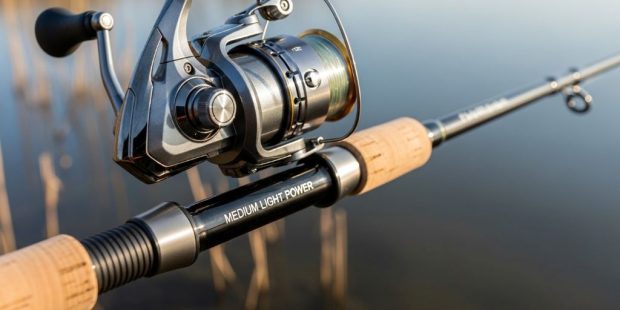
Selecting the right fishing rod can transform your experience on the water. Whether you’re casting from a quiet riverbank or trolling across a sprawling lake, having equipment that matches your fishing style and target species makes every trip more enjoyable and productive. Many anglers struggle with this choice because the options seem overwhelming at first glance.
Understanding what makes one rod different from another helps you make informed decisions. The right rod improves your casting distance, increases your sensitivity to bites, and gives you better control when fighting fish. This guide will walk you through everything you need to know about choosing freshwater fishing rods that work perfectly in lakes and rivers.
Understanding Rod Power and Action
Before diving into specific rod types, you need to understand two fundamental concepts that define how any fishing rod performs. These characteristics determine what species you can target and how the rod will behave during different fishing situations.
Rod power refers to the amount of force needed to bend the rod. This measurement tells you how much weight the rod can handle. Power ratings typically range from ultralight to heavy. Lighter power rods bend easily and work best for smaller fish, while heavier power rods require more force to bend and can handle larger, stronger species.
Action describes where the rod bends along its length. A fast action rod bends primarily near the tip, while a slow action rod bends throughout its entire length. Medium action falls somewhere in between. Fast action rods provide quick hook sets and work well for single-hook lures. Slow action rods are more forgiving and better for treble-hooked baits.
These two factors work together to create your fishing experience. A medium light rod with moderate action, for example, offers versatility that many anglers appreciate. This combination provides enough backbone to set hooks firmly while maintaining the flexibility to fight fish without tearing hooks free.
Matching Rods to Your Target Species
Different fish species require different approaches. Matching your rod to the fish you’re targeting increases your success rate and makes the experience more enjoyable.
Small species like bluegill, crappie, and perch don’t require heavy equipment. Panfish rods typically range from ultralight to light power with fast to moderate action. These rods usually measure between five and seven feet long. The lighter power lets you cast small jigs and live bait accurately while providing enough sensitivity to detect gentle bites.
Rainbow, brown, and brook trout demand equipment that balances delicacy with strength. Trout rods often feature light to medium light power ratings. These fish can be line-shy in clear water, requiring finesse presentations. However, they also fight energetically, so your rod needs enough backbone to control them. Length varies depending on whether you’re fishing small streams or larger rivers, typically ranging from six to eight feet.
Bass fishing requires more robust equipment than panfish or trout. Medium to medium heavy power rods work well for largemouth and smallmouth bass. These fish strike aggressively and often hide in heavy cover, requiring rods with enough strength to pull them away from structure. Action varies based on your technique, with fast action preferred for jigs and worms, and moderate action better for crankbaits.
Walleye and pike represent the larger end of freshwater gamefish. These species require medium to medium heavy power rods with enough length to cover water effectively. Walleye fishing often involves feeling subtle bites through the rod tip, requiring good sensitivity. Pike fishing demands rods with enough backbone to drive hooks through their tough mouths.
Evaluating Rod Length for Different Environments
Rod length significantly impacts your fishing effectiveness in different environments. Choosing the appropriate length for your fishing location improves casting accuracy and fish-fighting ability.
Shorter rods, typically under six feet, excel in tight quarters. Small streams with overhanging branches and limited casting room require compact equipment. These rods provide excellent control in close-range situations and make navigating brushy banks easier. Additionally, shorter rods work well when fishing from kayaks or small boats where space is limited.
Medium length rods between six and seven feet offer versatility that suits many situations. This length range works well for general lake fishing, medium-sized rivers, and most shore fishing scenarios. These rods provide good casting distance while maintaining accuracy. They’re long enough to keep your line above underwater obstacles but short enough to remain manageable.
Longer rods exceeding seven feet shine in specific situations. Surf fishing and covering large expanses of water benefit from extended length. Longer rods also help when fishing from high banks or piers, keeping more line off the water. However, they become cumbersome in confined spaces and require more effort to transport.
Consider your primary fishing location when selecting length. If you frequent one specific type of water, choose a length optimized for that environment. However, if you fish various locations, a medium length rod provides the best compromise.
Material Matters: Graphite, Fiberglass, and Composite
The material used to construct your rod affects its performance, durability, and price. Understanding these differences helps you choose equipment that matches your needs and budget.
Graphite rods dominate the modern fishing market for good reason. This material is lightweight and sensitive, allowing you to feel even subtle bites. Graphite rods typically feature fast action, making them excellent for techniques requiring quick hook sets. However, graphite can be brittle, potentially breaking if you strike something hard or apply too much pressure.
Fiberglass rods offer incredible durability and forgiveness. These rods bend deeply without breaking, making them ideal for beginners or situations where your equipment takes abuse. Fiberglass has a slower action that works beautifully with treble-hooked lures like crankbaits. The main drawback is weight. Fiberglass rods are heavier than graphite, which can cause fatigue during long fishing sessions.
Composite rods blend graphite and fiberglass to capture benefits from both materials. These rods balance sensitivity with durability, creating versatile tools that perform well across various techniques. Composite construction costs more than pure fiberglass but less than high-end graphite. This middle ground appeals to anglers wanting performance without extreme price tags.
Your fishing style should guide your material choice. Tournament anglers often prefer graphite for maximum sensitivity. Casual anglers fishing rough terrain might appreciate fiberglass durability. Many experienced anglers own multiple rods in different materials for different situations.
Understanding Line Weight and Lure Weight Ratings
Every fishing rod lists recommended line and lure weight ranges. These specifications tell you what the rod is designed to handle effectively. Using equipment within these ranges ensures optimal performance and prevents damage.
Line weight ratings indicate the pound test your rod works best with. Using line too heavy reduces casting distance and sensitivity. Using line too light risks breakage when fighting larger fish. Medium light rods typically handle four to ten pound test line effectively, while medium rods work with eight to fourteen pound test.
Lure weight ratings tell you the optimal weight range for baits and lures. Casting lures too light with a heavy rod creates poor casting performance. The rod won’t load properly, resulting in short, inaccurate casts. Conversely, casting heavy lures on light rods risks breakage and provides poor control.
These ratings aren’t arbitrary numbers. Manufacturers test rods extensively to determine optimal ranges. Staying within recommended specifications ensures your equipment performs as designed. However, experienced anglers sometimes push these boundaries slightly based on specific situations.
Match your line and lure choices to your rod specifications. This harmony between components creates a balanced system that casts smoothly, detects bites effectively, and fights fish confidently. Therefore, always check these ratings before purchasing a rod and select equipment appropriate for your preferred techniques.
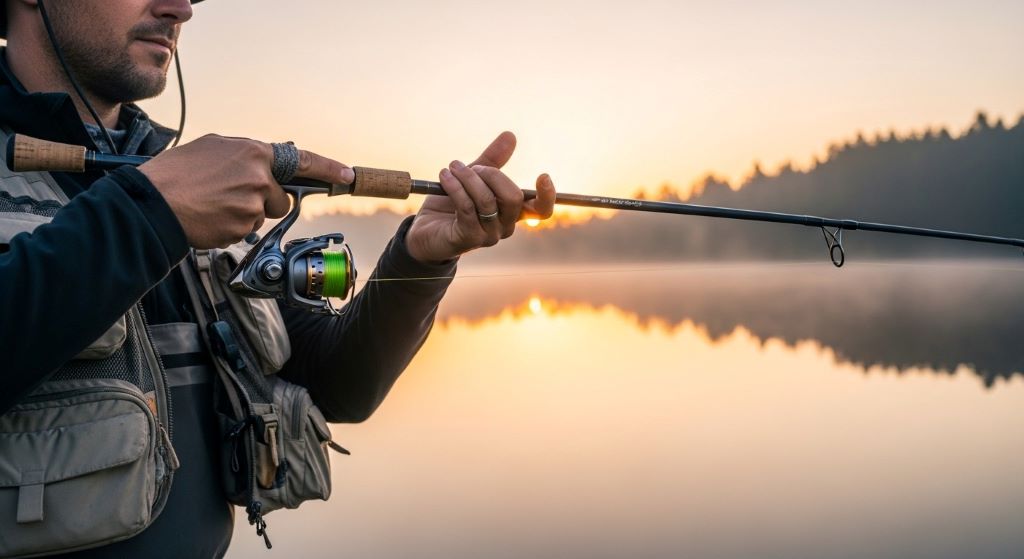
Reel Seat and Handle Design Considerations
While less glamorous than rod action or power, components like reel seats and handles significantly impact your fishing experience. These features affect comfort during long days on the water and influence your overall control.
Reel seats come in various designs and materials. Graphite reel seats reduce weight but may not grip reels as securely as metal seats. Aluminum and stainless steel reel seats provide rock-solid reel attachment but add weight. The best choice depends on your priorities. If you’re hiking long distances to fishing spots, weight savings matter. If durability is paramount, metal seats make sense.
Handle material affects both comfort and durability. Cork handles offer traditional feel and good grip even when wet. However, cork can degrade over time, especially with heavy use. EVA foam handles provide excellent grip, resist degradation, and cost less than cork. They lack the classic aesthetic some anglers prefer but offer practical advantages.
Handle length influences leverage and casting style. Longer handles provide more leverage when fighting fish and allow two-handed casting for extra distance. Shorter handles reduce weight and work better for one-handed casting techniques. Many anglers prefer longer handles for larger species and shorter handles for panfish and trout.
Split grip handles feature two separate handle sections with exposed blank between them. This design reduces weight and provides sensitivity by allowing you to palm the blank. Full grip handles offer more surface area for your hands, which some anglers find more comfortable during extended fishing sessions.
Spinning Rods Versus Casting Rods
Choosing between spinning and casting rods represents a fundamental decision that affects how you fish. Each design has distinct advantages and situations where it excels.
Spinning rods feature guides mounted underneath the blank with the reel hanging below the rod. This design excels with lighter lures and lines. Spinning tackle casts small baits effectively and experiences fewer tangles, making it ideal for beginners. Additionally, spinning rods work exceptionally well for finesse presentations required when targeting cautious fish.
Casting rods mount guides on top of the blank with the reel sitting above the rod. This configuration provides better accuracy and works well with heavier lures. Casting tackle offers superior power for setting hooks in tough-mouthed fish and pulling them from heavy cover. However, casting reels require more skill to master and can backlash when improperly used.
Most anglers fishing lakes and rivers for panfish or trout prefer spinning equipment. The lighter lures and lines typically used for these species perform better with spinning tackle. Medium light rods in spinning configuration offer the perfect balance for these applications.
Bass anglers often use both systems. Spinning gear handles finesse presentations like drop shots and shaky heads. Casting gear excels with power techniques like flipping jigs into heavy cover or burning spinnerbaits across shallow flats.
Budget Considerations and Value
Fishing rods span an enormous price range, from basic models under thirty dollars to premium options exceeding several hundred dollars. Understanding what drives these price differences helps you find the best value for your budget.
Entry-level rods provide functional performance at affordable prices. These rods work fine for casual fishing and learning the sport. However, they typically use heavier materials, have fewer guides, and lack the sensitivity of premium models. For beginners or occasional anglers, entry-level rods represent smart investments that allow you to learn without overspending.
Mid-range rods offer significant performance improvements over entry-level options. Better materials increase sensitivity while reducing weight. More guides distribute stress better along the blank. Quality control improves, resulting in more consistent performance. Most serious anglers find mid-range rods provide the best balance between performance and price.
Premium rods feature cutting-edge materials, meticulous construction, and top-tier components. High-modulus graphite reduces weight while increasing sensitivity. Superior guide systems enhance casting performance. These rods feel noticeably different in hand and transmit every detail from your lure. However, diminishing returns set in at higher price points. The difference between a three hundred dollar rod and a five hundred dollar rod is less dramatic than the jump from fifty dollars to one hundred fifty dollars.
Consider how often you fish when setting your budget. Fishing once or twice per year doesn’t justify premium equipment. However, fishing multiple times per week makes investing in better gear worthwhile. The improved performance enhances your experience every time you’re on the water.
Testing Rods Before You Buy
Whenever possible, test rods before purchasing. Many tackle shops allow you to hold and flex display models. This hands-on evaluation reveals details you can’t learn from specifications alone.
Flex the rod by pressing the tip against the ceiling or floor. This simple test shows you the action pattern. Notice where the rod bends and how much pressure it takes. Compare different models to feel the differences between fast and moderate action or between light and medium power.
Check the balance by holding the rod at the reel seat. A well-balanced rod feels comfortable and natural in your hand. Poor balance causes tip-heavy or butt-heavy feelings that create fatigue during extended use. Balance becomes especially important with longer rods.
Examine the guide wraps and finish quality. Smooth, even wraps indicate careful construction. Rough wraps or finish imperfections suggest quality control issues. Inspect the guides themselves for alignment and secure attachment. Loose guides create problems you don’t want to discover on the water.
If possible, attach your reel and make some practice casts. Many larger sporting goods stores have casting pools where you can test equipment. Feeling how a rod casts with your reel attached provides invaluable information. Additionally, this testing helps you avoid buying incompatible equipment.
Caring for Your Investment
Proper maintenance extends rod life and maintains performance. Taking a few minutes after each fishing trip protects your investment and ensures your equipment stays ready for action.
Rinse your rod with fresh water after every use, especially if fishing in salt water or muddy conditions. Dirt and minerals can work into guides and ferrules, causing wear and potentially weakening connections. A quick rinse prevents these problems and takes minimal time.
Inspect guides regularly for cracks, chips, or rough spots. Damaged guides fray fishing line, creating weak spots that break during fights with fish. Replace damaged guides promptly to avoid losing fish and lures. Guide replacement is relatively inexpensive and extends rod life significantly.
Store rods properly to prevent damage. Vertical storage racks work well, keeping rods organized and preventing warping. If storing rods horizontally, ensure they’re fully supported along their length. Avoid leaning rods in corners where they can develop permanent bends. Additionally, keep rods away from extreme heat, which can weaken epoxy bonds and damage finishes.
Transport rods carefully to and from fishing locations. Rod tubes or cases protect your equipment during travel. Even a minor impact against a car door or dock can crack graphite blanks. The small investment in protective storage prevents costly replacements.
Building Your Rod Collection
Most anglers eventually accumulate multiple rods optimized for different situations. Building a versatile collection strategically ensures you’re prepared for various fishing scenarios without buying unnecessary duplicates.
Start with one versatile rod that handles your most common fishing situations. A seven-foot medium light rod with moderate fast action works for numerous techniques and species. This foundation piece should be good quality since you’ll use it frequently. Master this rod thoroughly before expanding your collection.
Add specialized rods as you develop specific interests or techniques. If you discover a passion for fishing for trout in small streams, add a shorter, lighter rod optimized for that environment. If you start targeting bass in heavy cover, add a medium heavy casting rod for power techniques.
Consider seasonal needs when building your collection. Some species are more active during certain times of year. Having rods dedicated to these seasonal patterns ensures you’re ready when opportunities arise. However, avoid buying rods for situations you rarely encounter. Storage space and budget limitations make selectivity important.
Quality matters more than quantity. Three excellent rods that match your fishing style outperform ten mediocre rods collecting dust. Focus on acquiring equipment you’ll actually use rather than trying to own something for every possible scenario.
Conclusion
Choosing the best freshwater fishing rod for lakes and rivers requires understanding how different specifications affect performance. Rod power and action determine what species you can target effectively, while length impacts casting ability and control in various environments. Material selection balances sensitivity, durability, and weight based on your priorities.
Whether you’re pursuing panfish with ultralight tackle, chasing trout in clear streams with finesse equipment, or targeting bass with versatile medium light rods, matching your equipment to your fishing style creates success. Consider line and lure weight ratings, handle design, and whether spinning or casting configurations suit your techniques.
Testing rods before purchase reveals nuances that specifications alone can’t convey. Proper maintenance protects your investment and ensures consistent performance season after season. Building your rod collection strategically over time creates a versatile arsenal ready for whatever fishing situations you encounter.
The perfect fishing rod enhances every aspect of your time on the water. It casts smoothly, transmits bites clearly, and gives you confidence when fighting fish. Therefore, taking time to choose wisely pays dividends every time you cast your line into promising water.
Frequently Asked Questions
What rod length is best for beginners fishing lakes and rivers?
A seven-foot medium power rod with moderate action offers the best starting point for beginners. This length provides versatility for various techniques while remaining manageable to control. It works effectively from shore, boats, or docks, and handles most common freshwater species. As you develop preferences, you can add specialized rods to your collection.
How much should I spend on my first fishing rod?
Plan to spend between seventy-five and one hundred fifty dollars for a quality first rod. This range provides significantly better performance than budget options while remaining affordable. Rods in this price bracket use decent materials, have proper guide systems, and will last for years with reasonable care. Avoid extremely cheap rods that may discourage you with poor performance.
Can I use the same rod for both spinning and casting reels?
No, spinning rods and casting rods have different guide placements and are not interchangeable. Spinning rods have guides underneath the blank, while casting rods have guides on top. Using the wrong reel type on a rod creates serious casting problems and reduces effectiveness. You must match your rod type to your reel type.
What’s the difference between a trout rod and a panfish rod?
Trout rods typically feature slightly more backbone than panfish rods because trout fight more aggressively and often grow larger. Panfish rods use ultralight to light power for maximum sensitivity when detecting subtle bites. Trout rods range from light to medium light power. However, considerable overlap exists, and many rods work well for both species depending on the specific model.
How do I know if my fishing line matches my rod rating?
Check the rod specifications near the handle, which list recommended line weight ranges. Match your fishing line pound test to these recommendations. Using line within the specified range ensures optimal casting performance and prevents damage to your rod. If you frequently break off on snags, consider slightly heavier line. If casting distance suffers, try lighter line within the recommended range.
Related Topics:
Rod Holder Placement Tips: Maximize Space and Catch Rates
Best Knot Fluorocarbon Leader to Braid in Saltwater: Secure Your Catch Every Time
