
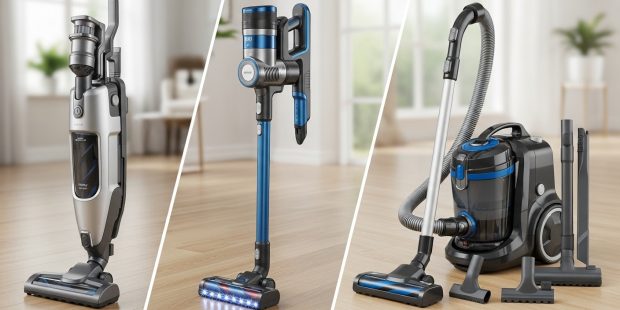
Choosing the right vacuum cleaner can feel overwhelming with so many options available today. Each type of vacuum offers unique features designed for different cleaning needs and lifestyles. Understanding the strengths and weaknesses of upright, cordless, and canister models will help you make an informed decision that matches your home and budget.
The Evolution of Vacuum Technology
Vacuum cleaners have come a long way since their invention. Modern technology has transformed these household essentials into powerful cleaning machines. Today’s market offers three primary categories, each with distinct characteristics. Therefore, knowing what sets them apart is crucial for selecting the best option for your space.
Upright Vacuum Cleaners: Power and Convenience
Upright models remain the most popular choice in many households. These machines stand vertically and combine the motor, dust collection system, and cleaning head in one unit. They represent a traditional yet highly effective approach to floor cleaning.
The Strengths of Upright Models
One significant upright vacuum advantage is their powerful suction capability. These machines typically feature robust motors that can tackle deep-seated dirt in carpets. The brush roll sits close to the motor, which maximizes cleaning efficiency on various surfaces.
Storage simplicity is another benefit. Most upright models can stand on their own without requiring wall mounts or special storage solutions. Simply park them in a closet, and they’re ready for next time. Additionally, many modern uprights come with attachments stored onboard, keeping everything in one place.
Wide cleaning paths represent another strength. Most upright models feature broader cleaning heads than other types. This design allows you to cover more floor space with each pass. Consequently, cleaning large rooms becomes faster and more efficient.
Where Upright Models Fall Short
However, these machines have limitations worth considering. Their weight can make them challenging to carry upstairs. Some models weigh over fifteen pounds, which becomes noticeable during extended cleaning sessions.
Maneuverability around furniture presents another challenge. The rigid design makes it difficult to clean under low furniture or navigate tight corners. You may find yourself moving furniture more often than you’d like.
Noise levels can also be an issue. Traditional upright models tend to operate louder than other vacuum types. This can be disruptive if you have young children, work from home, or prefer cleaning during quiet hours.
Cordless Vacuum Cleaners: Freedom and Flexibility
Cordless technology has revolutionized home cleaning. These battery-powered machines eliminate the hassle of dealing with power cords. They offer unprecedented freedom of movement throughout your home.
The Benefits of Going Cordless
Mobility stands out as the primary advantage. You can move seamlessly from room to room without unplugging and reconnecting. Stairs become much easier to clean when you’re not managing a trailing cord behind you.
Quick cleanups become effortless with cordless models. Grabbing your vacuum for a five-minute cleanup feels less daunting without the cord setup. Many people find themselves cleaning more frequently because the process feels less involved.
Lightweight design characterizes most cordless options. They typically weigh less than their corded counterparts, making them easier to maneuver and carry. This feature particularly benefits those with mobility concerns or multiple floors to clean.
Versatility is another strong point. Many cordless models convert into handheld units. This transformation allows you to clean cars, upholstery, curtains, and other areas that traditional vacuums struggle to reach.
Understanding Cordless Limitations
Despite their appeal, cordless models come with notable drawbacks. Battery life represents the most significant cordless limitation. Most models run between twenty and sixty minutes per charge. Large homes may require multiple charging sessions to complete a thorough cleaning.
Suction power often doesn’t match corded models. While technology continues improving, battery-powered motors typically deliver less sustained power. Deep carpet cleaning might not achieve the same results as plug-in alternatives.
Initial costs tend to run higher for quality cordless models. Advanced battery technology and compact engineering drive up prices. Furthermore, replacement batteries can be expensive several years down the line.
Charging time requires planning. Most units need several hours to fully recharge. Forgetting to charge your vacuum means waiting before you can clean, which can disrupt your schedule.
Canister Vacuum Cleaners: Versatility and Precision
Canister models feature a separate motor unit connected to a cleaning wand by a flexible hose. This design originated in Europe and has gained substantial popularity worldwide. The configuration offers unique advantages for certain cleaning scenarios.
Exploring Canister Benefits
Superior versatility ranks among the top canister benefits. The separate canister and wand design allows exceptional maneuverability. You can easily clean stairs, drapes, and upholstery without lifting the entire machine.
Hard floor cleaning excels with canister models. The design prevents the machine from scattering debris, which sometimes occurs with upright brushes. Many users find canister vacuums gentler on delicate flooring like hardwood or tile.
Quieter operation characterizes many canister models. The motor sits farther from the cleaning head, which reduces perceived noise levels. This makes them ideal for apartments or homes where noise is a concern.
Extended reach comes naturally to canister designs. The long hose and wand combination lets you clean high areas like ceiling fans and crown molding. You won’t need a separate tool or ladder for many above-floor tasks.
Filtration systems in canister models often prove superior. The larger body accommodates advanced filtration technology. This benefits allergy sufferers who need maximum air quality during cleaning.
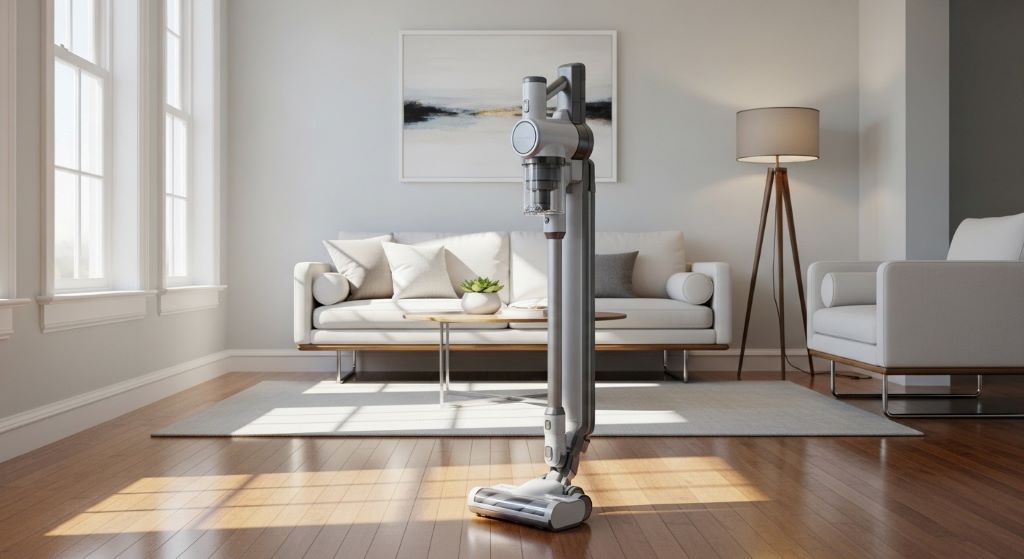
The Downsides of Canister Models
Nevertheless, canister vacuums present certain challenges. Maneuverability can feel awkward initially. You must pull the canister behind you while guiding the wand. This coordination takes practice and can feel cumbersome in tight spaces.
Storage requires more space than uprights. The separate components don’t stack as compactly. You’ll need adequate closet space to store both the canister and wand without creating clutter.
Setup time is slightly longer. Connecting the hose and attachments adds steps before you can begin cleaning. This might discourage quick, spontaneous cleanups throughout the week.
Carpet cleaning sometimes requires more effort. While canister models handle carpets adequately, they may not deep-clean as effectively as powerful uprights designed specifically for this purpose.
Matching Vacuum Types to Your Lifestyle
Your living situation should guide your decision. Apartment dwellers might prioritize compact storage and quiet operation. Therefore, a canister or cordless model could work better than a large upright.
Pet owners need strong suction and specialized attachments. Upright models often excel here, though some canister options also perform well. Consider how much pet hair you typically encounter during weekly cleaning.
Multi-story homes present unique challenges. Cordless models eliminate the hassle of carrying heavy machines upstairs. However, their battery limitations might frustrate those with large floor plans.
Floor types matter significantly. Homes with primarily hard flooring benefit from canister precision. Conversely, wall-to-wall carpeting often responds better to upright vacuum advantages like powerful brush rolls and wide cleaning paths.
Physical abilities influence suitability too. Those with back problems might struggle with heavy uprights. Lightweight cordless options or easy-to-maneuver canisters could provide better alternatives.
Budget Considerations Across Categories
Price ranges vary dramatically within each category. Entry-level uprights start around one hundred dollars, while premium models exceed six hundred. Cordless options typically begin at two hundred dollars for basic models, with high-end versions reaching eight hundred or more.
Canister vacuums show similar price diversity. Budget-friendly options exist, but quality models often cost more upfront. However, durability can make them worthwhile investments over time.
Operating costs deserve attention beyond purchase price. Cordless limitations include eventual battery replacement, which can cost fifty to one hundred fifty dollars. Uprights and canisters require bags or filters, creating ongoing expenses.
Making Your Final Decision
Assess your priorities before committing to a purchase. List your must-have features and nice-to-have options separately. This clarity helps you focus on models that truly match your needs.
Read reviews from actual users, not just manufacturer claims. Real-world experiences reveal performance details that specifications can’t capture. Pay attention to long-term reliability reports.
Test models in stores when possible. Feel the weight, check the maneuverability, and listen to the noise level. These hands-on experiences provide insights that online shopping cannot offer.
Consider your future needs too. Will you move to a larger home? Are you planning to get pets? Anticipating changes helps you choose a vacuum that remains useful for years.
Conclusion
Selecting between upright, cordless, and canister vacuums requires understanding your specific cleaning needs. Upright models offer powerful carpet cleaning and simple storage but can be heavy and less maneuverable. Cordless options provide unmatched freedom and convenience, yet battery life and suction power present notable challenges. Canister designs excel in versatility and quiet operation while demanding more storage space and coordination.
No single type reigns supreme for everyone. Your home size, flooring types, physical abilities, and budget all play crucial roles in determining the best choice. Take time to evaluate these factors honestly. The right vacuum will make cleaning easier and more effective, transforming a dreaded chore into a manageable task. Therefore, invest thoughtfully in a model that aligns with your lifestyle and cleaning expectations.
Frequently Asked Questions
Which vacuum type works best for pet hair removal?
Upright vacuums generally perform best for heavy pet hair situations. Their powerful motors and rotating brush rolls effectively lift embedded fur from carpets. However, some high-end cordless and canister models now include specialized pet tools that work remarkably well. Consider your flooring type and pet shedding level when deciding.
How long do cordless vacuum batteries typically last before replacement?
Most quality cordless vacuum batteries maintain good performance for two to four years with regular use. Battery lifespan depends on charging habits, frequency of use, and storage conditions. Some manufacturers offer extended warranties on battery components, which can provide peace of mind for this investment.
Are canister vacuums difficult for beginners to use?
Canister vacuums require a brief adjustment period but aren’t inherently difficult. The coordination of pulling the canister while directing the wand feels unusual at first. Most users adapt within a few cleaning sessions. Once familiar, many people appreciate the flexibility this design provides for various cleaning tasks.
Can upright vacuums effectively clean hard floors without causing damage?
Modern upright vacuums often include hard floor settings that disable or adjust the brush roll. This prevents scratching and scattering of debris on tile, hardwood, or laminate surfaces. Always verify that your chosen model offers this feature if you have primarily hard flooring in your home.
What factors affect vacuum suction power most significantly?
Motor wattage, airflow design, and filtration systems all impact suction performance. Additionally, regular maintenance like emptying dust containers, cleaning filters, and checking for clogs maintains optimal suction. Cordless models may experience reduced suction as batteries drain, while corded options maintain consistent power throughout use.
Related Topics:
How to Use the Ingenuity Swing ‘n Go Deluxe Baby Swing: Step by Step Guide
Professional Laundry Machinery Manufacturer: High-Performance Washers and Dryers for Industry
